
Is it possible for a national celebration to become so dense that the very air becomes a liability? When a tech platform scales too quickly, we talk about "server crashes" or "latency issues," but when a million people converge on a single physical coordinate, the infrastructure failure is measured in human lives rather than downtime.
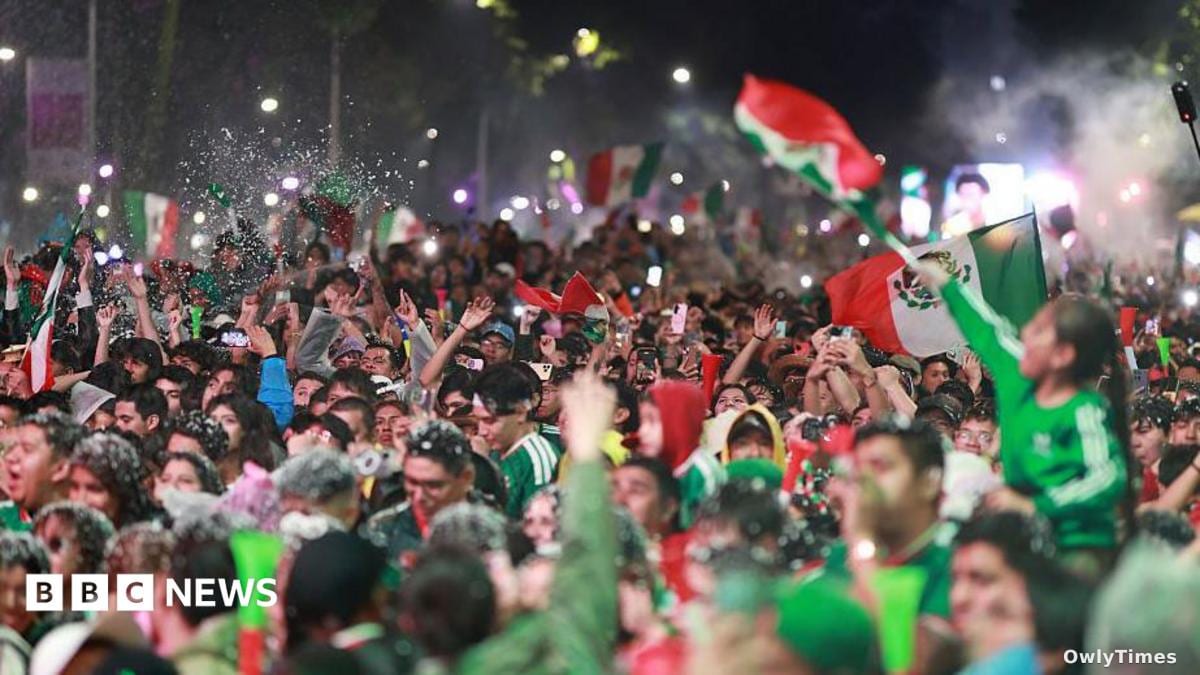
The real story here isn't just the historic 2-0 victory over Ecuador that ended Mexico’s 40-year World Cup knockout drought—it's the tragic disconnect between digital euphoria and physical crowd safety. Following the match, more than one million people flooded the streets of Mexico City, primarily swarming the Angel of Independence monument, according to reports from both the BBC and The Guardian.
When the Algorithm of the Crowd Overloads
The human cost of this overflow is currently being debated in official reports. The BBC cites the city's health authority, confirming that three people—a 19-year-old woman, a 48-year-old woman, and a 44-year-old man—died of suffocation. Conversely, The Guardian reports only two confirmed deaths, noting that the third fatality mentioned by local media had not been officially verified by the city’s health ministry at the time of their publication.
Regardless of the final tally, the underlying issue is a classic case of system saturation. Much like a viral app crashing because it wasn't built to handle a sudden influx of concurrent users, the city’s public spaces reached a breaking point. While thousands were singing “Y si si?” (“What if?”) and dancing in the historic Zocalo, as documented by Al Jazeera, the physical reality for those trapped in the crush was far more grim.
The Myth of Controlled Chaos
We often romanticize these "spontaneous" mass events, but the logistics of hosting a World Cup on home soil create a high-stakes environment where the margin for error is razor-thin. Al Jazeera paints a picture of festive anarchy—mariachi bands, fireworks, and fans climbing lampposts—but the BBC reports that emergency services had to perform CPR on the victims before transporting them to hospitals for specialized care.
This juxtaposition is a stark reminder that physical spaces, unlike cloud-based networks, do not have an infinite capacity to auto-scale. When a crowd hits a critical mass, the physics of fluid dynamics take over, and individual agency is lost to the pressure of the collective. Clara Brugada Molina, head of the city's government, has pledged support to the victims' families, but the tragedy highlights a recurring failure in urban planning for major sporting events.
The Next Phase of the Tournament
The tech industry loves to talk about "user experience," but the ultimate UX failure is an environment that cannot safely contain its users. With Mexico advancing to the last 16, the excitement is only expected to intensify. The immediate future will be defined by how the city government manages the next round of fixtures. If the trend of historic, nationwide celebrations continues, we should expect to see a much more aggressive implementation of crowd-control protocols and restricted access zones in the coming days to prevent another surge-related tragedy.