
Is the modern battlefield becoming less of a digital chess match and more of a crumbling piece of infrastructure? The real story here isn’t just the tragic loss of life in the Middle East; it’s the shift toward a war of attrition where the primary targets are no longer just soldiers, but the literal taps and power grids that keep civilization functioning.
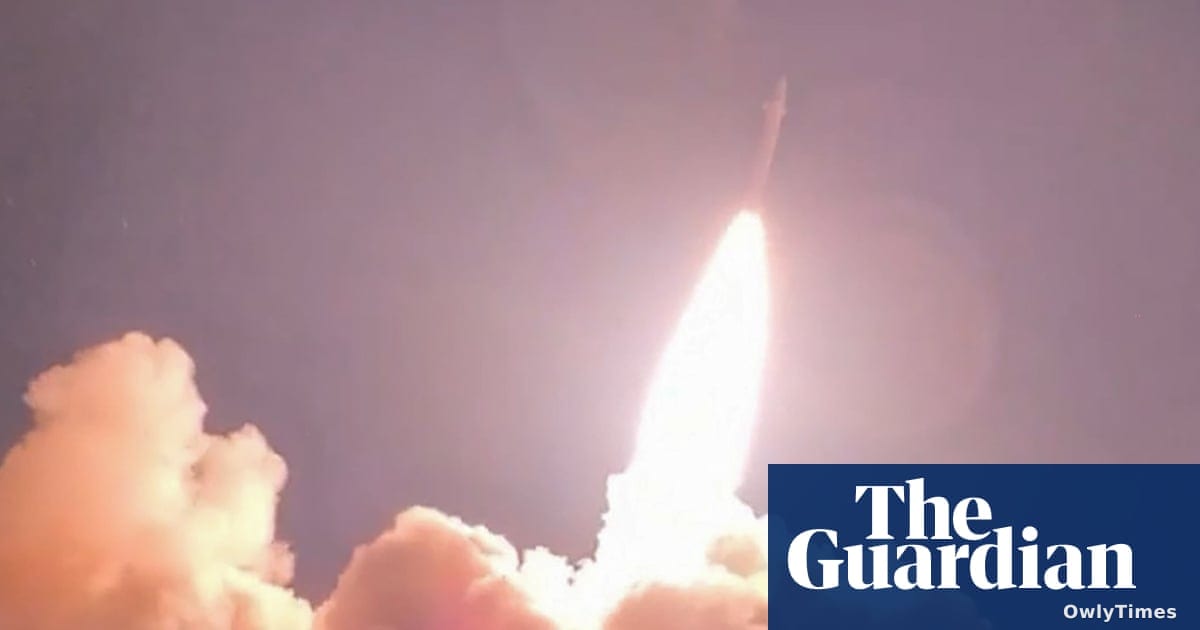
The U.S. military confirmed on Saturday that two American service members were killed and one remains missing following an Iranian missile and drone attack on a base in Jordan, according to The Guardian. This marks a grim escalation in a conflict that has already claimed 16 American lives and left over 430 wounded, as reported by Euronews. While The Independent notes that 15 troops had died previously in the months-long war, the numbers surrounding this specific engagement highlight a volatile new phase where the lines between military and civilian targets have all but evaporated.
The New Target: Essential Infrastructure
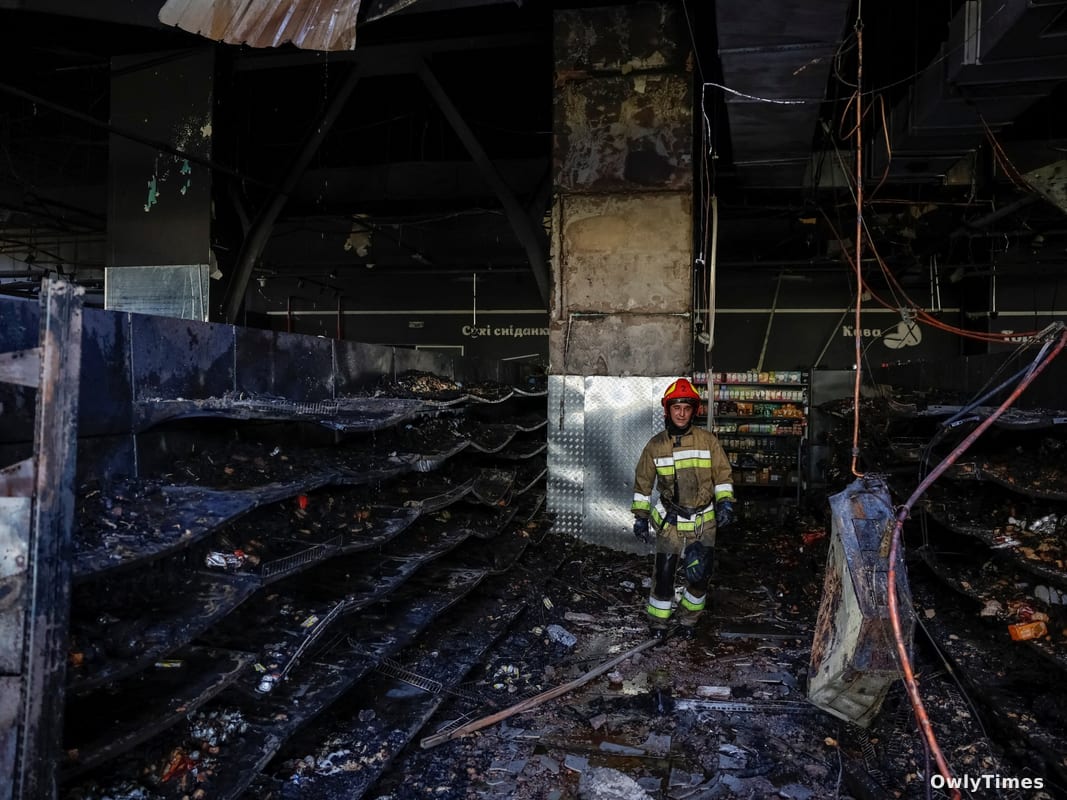
The theater of operations has expanded well beyond traditional military sites. Kuwait reported that Iranian strikes hit a power and water desalination plant, forcing the country to briefly close its airspace, as detailed by The Guardian. This isn’t just collateral damage; it’s a tactical shift. Euronews reports that U.S. airstrikes have similarly impacted Iranian infrastructure, including a desalination plant in Hormozgan province that cut off water supplies to approximately 10,000 people.
Think of this like a systemic DDoS attack on a city’s physical operating system. When you take out a desalination plant in an arid region, you aren't just inconveniencing people—you are removing the "kernel" required for human survival. This tit-for-tat destruction of bridges, power stations, and water facilities suggests that both sides are attempting to force a capitulation by making daily life in the region unsustainable.
A Collapsing Diplomatic Framework
The breakdown of the recent ceasefire is as definitive as a server crash. The Independent notes that the administration of President Donald Trump has effectively abandoned the memorandum of understanding, with Iran’s Supreme Leader Mojtaba Khamenei—who has remained out of public view—declaring the President’s signature "worthless and invalid."
The data on the impact of this renewed hostility remains a point of contention. While The Guardian and Euronews both cite figures from Iran’s health ministry claiming 50 dead and over 500 wounded due to U.S. strikes, the U.S. military maintains its focus on degrading Iranian logistics. Central Command explicitly lists surveillance sites, underground weapons storage, and maritime capabilities as the targets of their seventh and eighth nights of consecutive strikes.
The Strait of Hormuz Standoff
The economic backbone of this conflict remains the Strait of Hormuz, through which 20% of global shipping passes, according to Euronews. Iran’s attempt to assert control over this waterway has led to a three-week low in traffic, creating a bottleneck that affects everyone from fuel-dependent commuters to global supply chains.
The volatility is far from over. Maj. Gen. Mohsen Rezaee, a senior military adviser to Khamenei, warned that if U.S. strikes continue for another two or three days, Iran will shift to "full-scale offensive operations," as reported by The Guardian. Expect the next 72 hours to be the ultimate stress test for the region’s stability; if those operations begin, we are looking at a total departure from the current limited-strike model into an unpredictable, open-ended conflict.