
Is the White House Correspondents' Dinner a celebration of the First Amendment, or has it become a high-stakes, high-security stage play where the lead actor is perpetually auditioning for a role that the Constitution says he can’t have?
The real story here isn’t just the return of the gala after a harrowing security breach; it’s the shift in how the state manages the intersection of celebrity, press scrutiny, and the physical reality of violence in a polarized capital. On Friday, the event took place at the Waldorf Astoria—a venue of symbolic significance, as it was once owned by the Trump Organization—rather than the Washington Hilton, where an armed assailant, identified as 31-year-old Cole Tomas Allen, was tackled by agents in April, according to CBS News.
Both the BBC and Euronews note that the atmosphere was starkly different from the aborted spring attempt. While the April dinner was slated for over 2,000 guests, Friday’s iteration was a scaled-down affair with approximately 700 attendees. The security apparatus was, by all accounts, suffocatingly thorough. Guests were funneled through multiple checkpoints, requiring both government-issued photo IDs and unique QR codes, with the BBC reporting that visitors were at one point forced to walk single-file past Secret Service officers brandishing rifles.
The Theater of Security and Compliance
For the ordinary user watching these events from home, this level of perimeter hardening is becoming the new baseline for civic participation. CBS News reports that Secret Service officials have opened roughly 10,000 protective intelligence cases since January, a 40% spike compared to the same period last year. This isn't just about protecting a ballroom; it reflects a broader technological and physical arms race between the state and those who would disrupt it.
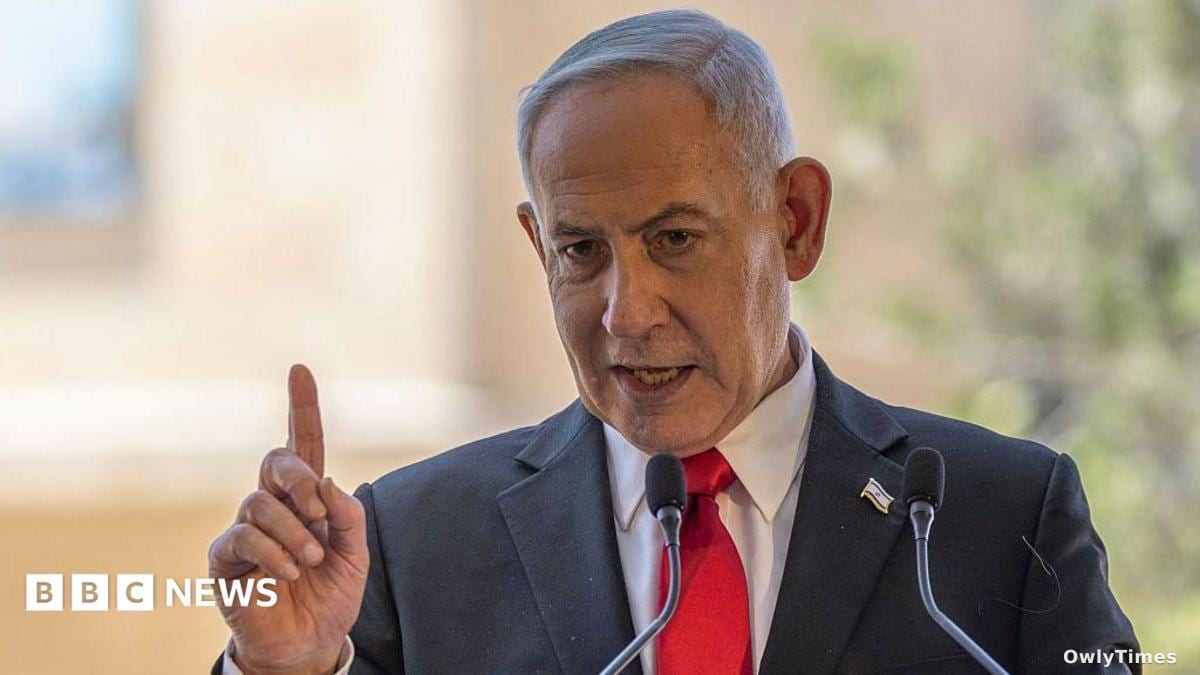
The evening’s tone was a bizarre mix of tribute and provocation. President Donald Trump awarded the officer struck during the April shooting, Victor Gonzalez, for his response to the gunman, while simultaneously engaging in the familiar, sharp-tongued ritual of attacking the press corps. According to Euronews, the President oscillated between calling the room a collection of "Trump derangement syndrome" sufferers and acknowledging that he "respects most" of the journalists present.
The Loop of Perpetual Re-election
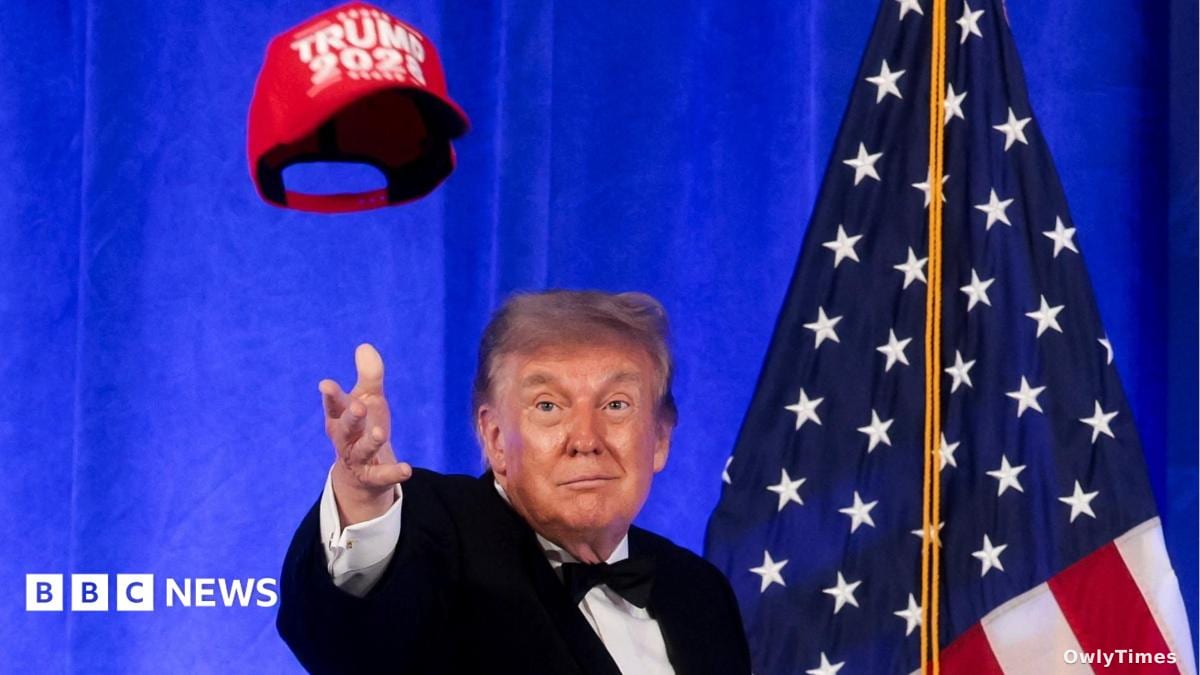
The most striking element of the night was the President’s insistence on defying the 22nd Amendment—not once, but twice. While he joked about a "third term" in his speech, he later donned a "Trump 2028" hat and declared, in what he termed a "scoop," his intention to run for a fourth term, as noted by the BBC. To the casual observer, this may sound like standard rally-style rhetoric, but it underscores a growing tension between executive speech and established constitutional constraints.
The evening also served as a reminder that the White House Correspondents' Association is currently navigating a tightrope. Weijia Jiang, the association’s outgoing president, used her platform to draw a line in the sand. "There is an existential difference between criticizing the press and trying to undermine it," she said, per CBS News. This sentiment highlights the ongoing friction between an administration that has threatened to revoke broadcast licenses—a point raised by Euronews regarding recent network coverage—and a press corps that remains physically embedded within the President's orbit.
What Comes Next
The next flashpoint is already locked into the calendar. The BBC reports that the Association intends to return to the Washington Hilton for next year’s dinner. Whether that venue can actually support the "unprecedented level" of protective intelligence now required by the Secret Service remains a looming question. The signal for users to watch is the ongoing legal and administrative pressure on media licensing; keep an eye on the upcoming federal communications oversight meetings, as the President’s rhetoric regarding "fake news" and license revocation is moving from social media posts on Truth Social into actual policy threats.