
The confirmation of Ayatollah Ali Khamenei’s death isn’t simply a change in leadership for Iran; it’s the calculated removal of a linchpin in a decades-long strategic game between Washington, Jerusalem, and Tehran. The coordinated announcement – first signaled by Donald Trump and Benjamin Netanyahu, then reluctantly confirmed by Iranian state media – wasn’t a leak, but a demonstration of power. The timing, following a large-scale joint strike targeting 24 Iranian provinces and resulting in at least 201 reported deaths, reveals a deliberate escalation designed to destabilize the Iranian regime and exploit pre-existing vulnerabilities within its power structure. This isn’t about preventing Iran from acquiring a nuclear weapon, as the Biden administration and Mike Waltz, the US ambassador to the UN, claim; it’s about reshaping the regional order.
The immediate question isn’t if Iran will retaliate, but how and where. While Barbara Slavin of the Stimson Center suggests Iran “has a plan,” the reality is that no contingency planning can fully account for the death of a supreme leader who has held power since 1989. The established succession protocol – a Council of Experts tasked with selecting a new leader – is now operating under duress, potentially accelerating internal power struggles. Trump’s public call for the Islamic Revolutionary Guard Corps (IRGC) and police to “peacefully merge with the Iranian Patriots” isn’t a hopeful prediction, but a calculated attempt to publicly encourage factionalism and undermine the regime’s cohesion. Who benefits and who loses here is stark: Israel and a faction within the US government benefit from a weakened Iran, while the Iranian populace, and potentially regional stability, lose.
Source material: Al Jazeera.
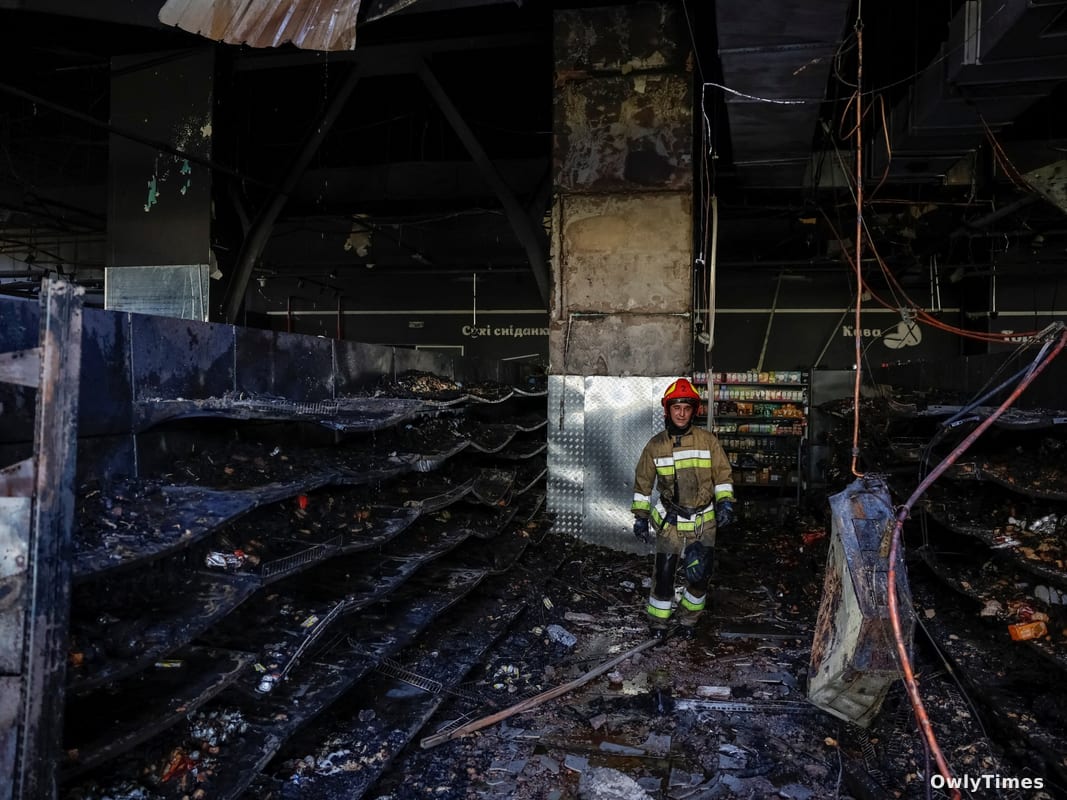
The strikes themselves, particularly the targeting of schools in Minab and near Tehran resulting in at least 108 deaths, are a significant departure from previous Israeli tactics. While Israel has long engaged in covert operations within Iran, directly targeting civilian infrastructure on this scale signals a willingness to accept a higher level of risk and collateral damage. This escalation mirrors, in some ways, the tactics employed by the US during the Vietnam War, where the deliberate targeting of civilian populations was justified as a means of weakening enemy resolve. The parallel isn’t perfect – the geopolitical context is vastly different – but the underlying principle of inflicting pain to force a change in behavior is strikingly similar. The UN Secretary-General Antonio Guterres’ plea for de-escalation rings hollow when weighed against the demonstrable intent of the attacking parties.
The international response is equally revealing. While China and Russia condemned the strikes, their ability to meaningfully influence the situation is limited. The US, under Trump, is openly signaling continued military action, framing it as a necessary step to prevent Iran from developing nuclear capabilities. This narrative conveniently ignores the fact that the 2015 Joint Comprehensive Plan of Action (JCPOA), which aimed to prevent Iran from acquiring a nuclear weapon, was unilaterally abandoned by the US in 2018. The current crisis isn’t a spontaneous reaction to an imminent threat; it’s the culmination of years of escalating tensions and a deliberate dismantling of diplomatic efforts. The invocation of “global security” by the US ambassador to the UN is a familiar justification for unilateral action, echoing rhetoric used to justify interventions in Iraq and Libya.
The political chess move to watch next isn’t whether Iran will launch another round of retaliatory strikes – that’s almost guaranteed. It’s whether the internal power struggle within Iran will coalesce around a hardline faction determined to avenge Khamenei’s death, or a more pragmatic group willing to negotiate a de-escalation. Specifically, monitor the composition and pronouncements of the Council of Experts as they begin the process of selecting a new supreme leader. Will they choose a figure loyal to the IRGC, or someone with a more conciliatory stance? The answer to that question will determine whether this crisis spirals into a full-scale regional war, or settles into a new, and potentially even more dangerous, phase of proxy conflict.