
The decision to reclassify the death of former Member of Parliament Ann Widdecombe as a terrorism-related investigation marks a critical shift in the state’s strategic posture, moving the case from a localized homicide inquiry to a matter of national security. By transferring authority to the national Counter Terrorism Policing (CTP) unit, the government is signaling that the threat profile surrounding the 78-year-old’s death has evolved beyond a criminal act into a potential challenge to the political order.
From Criminal Investigation to National Security
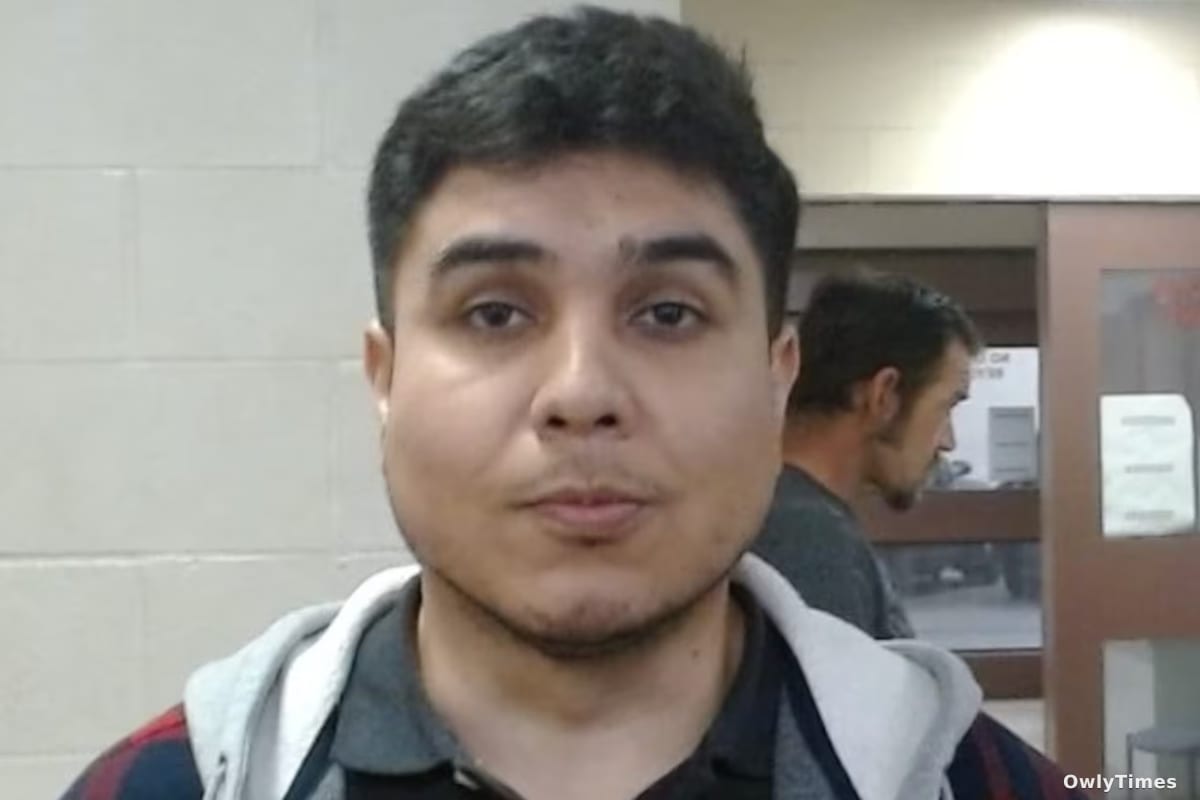
The transformation of the inquiry was confirmed by Laurence Taylor, head of national Counter Terrorism Policing, who cited "new information and evidence" as the catalyst for the shift. As reported by The Guardian, the 28-year-old suspect—initially arrested on suspicion of murder—was rearrested on suspicion of the commission, preparation, or instigation of acts of terrorism. This development represents a stark reversal from the assessment offered just one day prior by Devon and Cornwall Police, who had stated there was "nothing to suggest" the murder was politically motivated, according to the BBC.
The suspect was apprehended on Saturday in South Yorkshire, over 200 miles from the victim’s residence in Haytor, Devon. ABC News notes that while police have not disclosed a cause of death, Widdecombe sustained "serious injuries" during the attack, which is believed to have occurred at approximately 12:30 p.m. last Wednesday. The BBC highlights that the suspect had been captured on CCTV in Rotherham earlier that morning, appearing to carry a long object, a detail that now feeds directly into the CTP’s expanded scope of inquiry.
The Stakeholder Calculus
In this political chess match, the primary beneficiaries of the heightened security classification are the institutions of the state, which regain control over the narrative of public safety. By elevating the case to a counter-terror investigation, the Home Office under Shabana Mahmood reinforces its capacity to manage potential civil unrest and demonstrate decisive action. Conversely, the political parties associated with Widdecombe—most recently Reform UK—find themselves in a position of acute vulnerability. The death of a prominent, socially conservative figure who served as a spokesperson for Reform UK creates a volatile vacuum that party leaders, including Nigel Farage and Richard Tice, are attempting to navigate while maintaining their "defender of free speech" brand.
Historical precedent suggests that the assassination or violent death of a prominent political figure often acts as a catalyst for rapid legislative tightening. Much like the response to the 2021 murder of MP David Amess, which led to intensified debates over the security of elected officials, the current climate is already seeing political actors leverage the tragedy to demand policy shifts. The BBC reports that senior Reform UK figures have already used the platform to express shock, while the Guardian notes that the Muslim Council of Britain has simultaneously used the atmosphere of heightened terror alerts—specifically regarding a separate threat to an Islamic festival in Suffolk—to push for more substantive government action against hate-based violence.
The Next Strategic Move
The political signal to watch next is the Home Secretary’s promised statement to the House of Commons. As confirmed by The Guardian, Mahmood is expected to address the investigation’s implications directly. Any move by the government to tighten security protocols for public-facing figures or to increase surveillance powers in response to this "new evidence" will indicate whether this tragedy is being used to expand the state's reach or merely to contain the fallout from a high-profile security failure.