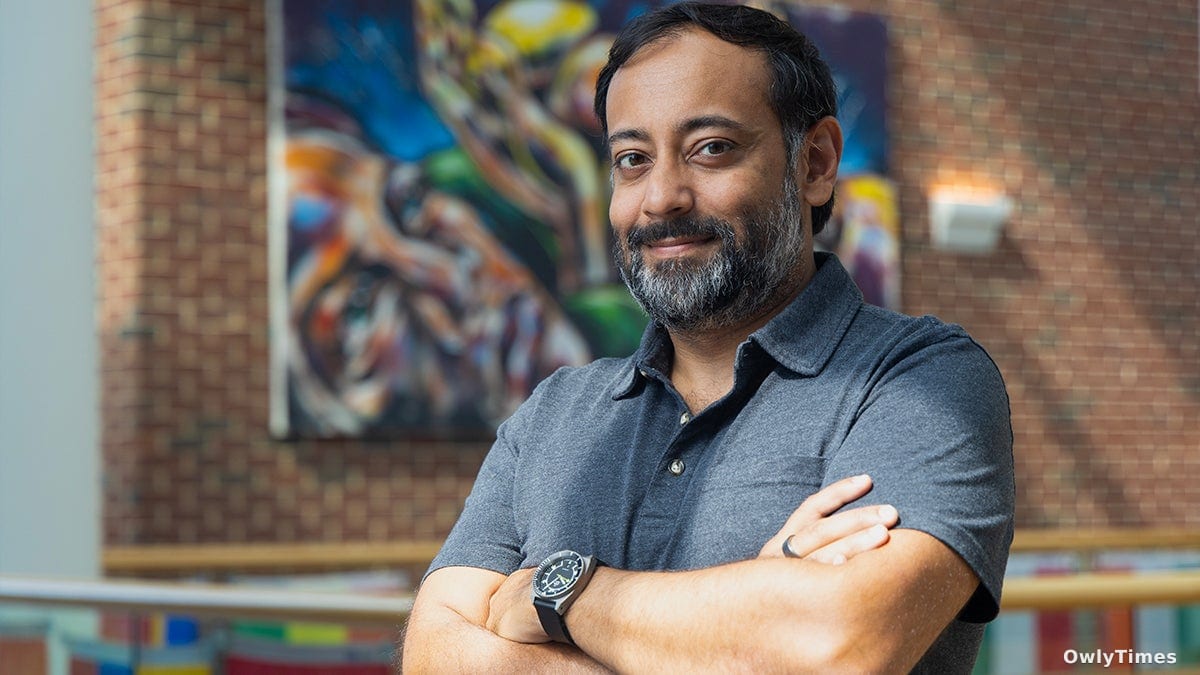

The dual recognition of Dr. Nabarun Dasgupta with the 2026 TIME100 Health List and the N.C. Attorney General’s Dogwood Award on Friday, February 13th, 2026, transcends mere accolades; it signals a critical maturation in how society approaches the devastating street drug crisis. At a time when public health challenges often feel overwhelming and fragmented, Dasgupta's work, bridging cutting-edge data science with grassroots community engagement, offers a powerful blueprint. This isn't just about an individual being honored; it's an affirmation of a paradigm shift – one that prioritizes evidence-based, compassionate, and community-driven solutions in the face of complex, evolving threats. His achievements underscore a growing consensus: effectively combating public health emergencies demands both global influence and an unwavering commitment to local impact.
The Dual Mandate: From Global Influence to Local Impact
The significance of Dasgupta's dual honors lies in their complementary nature. The TIME100 Health List spotlights the 100 most influential leaders in health globally, recognizing Dasgupta for his leadership in combatting the street drug crisis through data analysis, street drug testing, and providing frontline solutions. This places him among titans pushing boundaries in areas from gene therapies to regulatory agencies, reflecting a global recognition of his innovative approach to a pervasive problem. Concurrently, the N.C. Attorney General’s Dogwood Award celebrates his dedication to North Carolinians, specifically honoring individuals committed to keeping people safe, healthy, and happy in their communities.
As an innovation fellow at the UNC Gillings School of Global Public Health and senior scientist at the UNC Injury Prevention Research Center, Dasgupta leads the UNC Street Drug Analysis Lab. This unique position allows him to translate sophisticated scientific inquiry into actionable intelligence for communities and providers. The combined recognition underscores a rare and potent blend: a national public health influence rooted in deep, tangible commitment to North Carolina communities and advocates. It highlights the principle that true global leadership often starts with profound local engagement.
This article draws on reporting from unc.edu.
A New Paradigm: Data-Driven Solutions for the Opioid Crisis
Dasgupta's work represents a pivotal shift in how the opioid crisis is addressed. For years, responses often lagged behind the rapidly evolving nature of street drugs, relying on reactive measures or broad, less targeted interventions. His methodology, focused on real-time street drug testing and public access to data via platforms like www.opioiddata.org, provides an essential, proactive layer of intelligence. This move from anecdotal evidence or delayed statistics to immediate, granular insights empowers communities to make informed decisions about harm reduction strategies, resource allocation, and public safety.
This data-driven approach is particularly crucial given the dynamic nature of illicit drug markets, where novel synthetic opioids and adulterants frequently emerge. By providing insights from a team of experts, Dasgupta’s lab doesn't just collect data; it interprets it, making it digestible and actionable for those on the front lines. This innovative model has not gone unnoticed; his receipt of the prestigious MacArthur Fellowship, often dubbed the “genius grant,” in October, further solidifies his standing as a visionary in public health, demonstrating a consistent pattern of recognition for his groundbreaking contributions.
The Power of Collaboration: Community and Collective Effort
What's often overlooked in individual accolades is the vast network of collaboration required for such impactful work. Dasgupta himself emphasized this, stating, "The progress we make in health comes from listening to communities, following the evidence and working together across disciplines." He generously shared his honors, acknowledging "our hundreds of community partners who make this work possible… I am in awe and deeply grateful for their trust and knowledge sharing." This perspective is critical; it highlights that the cutting-edge science conducted in labs only gains true efficacy when integrated with local knowledge and trust.
He further elaborated on the collective effort, thanking "the dozen members of our team at the UNC Injury Prevention Research Center who do the tireless work every day of making kits, shipping boxes, analyzing samples, entering and analyzing data, managing finances, and conducting field studies." This statement elegantly addresses the tension between individual recognition and the reality of collective endeavor. It underscores that while a single leader may receive the spotlight, the daily grind of public health innovation relies on a dedicated, interdisciplinary team and, crucially, the active participation and trust of the communities they serve.
What This Means: Implications for Policy and Public Health
The recognition of Dasgupta's work carries significant implications for various stakeholders. For the public, it validates the importance of transparent, accessible data in making decisions about personal and community health. It fosters a sense of empowerment, moving away from a passive recipient model to one where communities are active participants in their safety and well-being. The direct link to www.opioiddata.org offers a tangible resource for those seeking to become more informed about overdose death trends or support their communities.
For policymakers and public health officials, Dasgupta’s success provides a compelling case study for investing in real-time, data-driven harm reduction strategies. It offers a blueprint for how academic institutions can serve as vital partners in public health, translating complex research into practical, life-saving interventions. This model demonstrates that a public health approach to the street drug crisis, grounded in evidence and community engagement, is not only effective but also garners significant national and international acclaim, signaling a potential shift in funding and policy priorities towards similar initiatives.
Looking Ahead: Sustaining Momentum in a Shifting Landscape
Dasgupta's awards are not an endpoint but a powerful catalyst for future action. The challenge now lies in scaling these successful models and ensuring their sustained impact. Readers should watch for how his methodologies are adopted and adapted in other regions grappling with similar drug crises. The continued evolution of data analytics in public health, particularly in understanding and responding to emerging drug threats, will be crucial. Furthermore, the commitment to "advancing collaborative, evidence-based initiatives that expand access to effective, compassionate care" will require ongoing policy support and community resource allocation.
The interplay between global recognition and local impact, so powerfully embodied by Dasgupta’s achievements, will likely become a benchmark for future public health leaders. His work serves as a potent reminder that while the scope of health challenges may be global, their solutions are often forged through diligent, empathetic work at the community level, guided by robust data and unwavering collaboration.