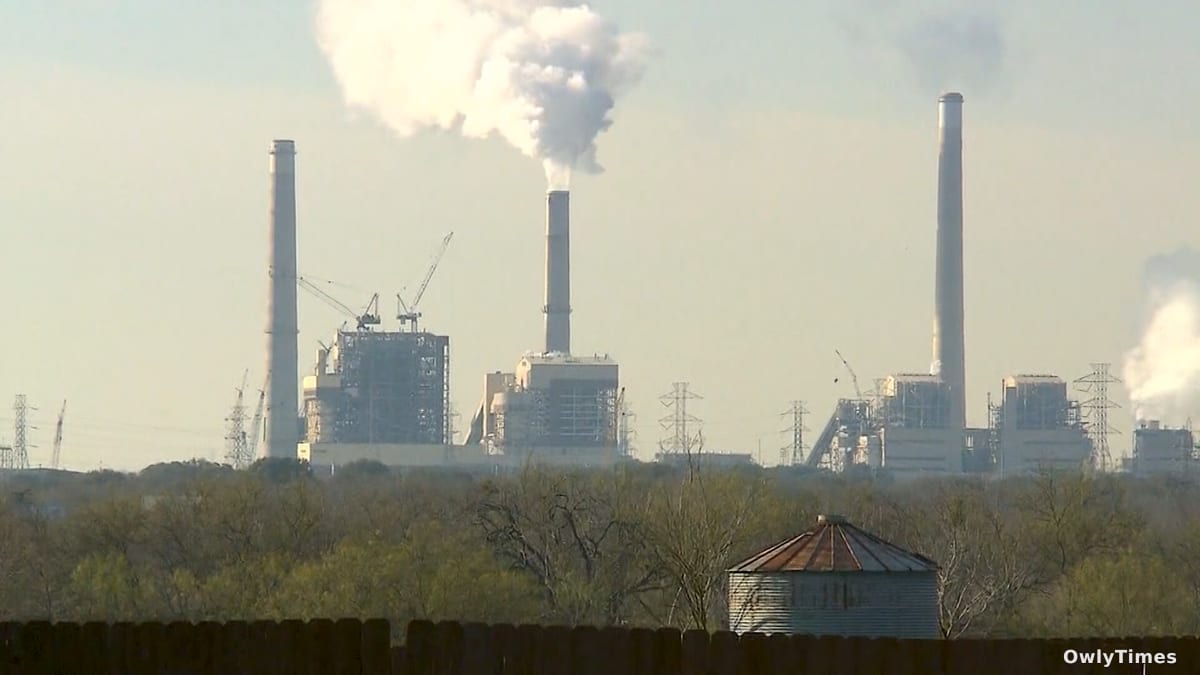

The question of how much pollution is ‘acceptable’ is rarely framed as a scientific one, but the recent rollback of mercury emission standards by the Environmental Protection Agency forces exactly that reckoning. While framed as a cost-saving measure, the EPA’s decision to weaken the 2024 Mercury and Air Toxics Standards (MATS) isn’t simply about dollars and cents; it’s a recalibration of risk, and one that demands careful scrutiny. The core issue isn’t whether mercury is dangerous – decades of research confirm its neurotoxic effects, particularly for developing fetuses and young children – but rather, how much additional risk society is willing to tolerate in the pursuit of economic expediency. The narrative circulating suggests a minimal impact, but a closer look at the methodology and the broader context of environmental deregulation reveals a more complex and potentially concerning picture.
The EPA’s action, finalized last week, repealed updates to MATS that tightened pollution controls and mandated continuous emissions monitoring at coal-fired power plants. The agency projects $670 million in savings, arguing that existing standards adequately protect public health. However, this claim hinges on a specific interpretation of “adequate,” one increasingly divorced from a comprehensive valuation of health impacts. Notably, the EPA has simultaneously curtailed its practice of quantifying the economic benefits of pollution reduction – specifically, the value of lives saved and health costs avoided – effectively shifting the calculus to prioritize regulatory cost reduction for industry. This isn’t a neutral adjustment; it’s a deliberate weighting of economic factors over public health outcomes. Chris Frey, an environmental engineering professor at North Carolina State University and former EPA assistant administrator, explained that the 2024 rule focused on reducing particle emissions, which incidentally captures other toxic metals like mercury, arsenic, chromium, and nickel.
The rollback’s impact extends beyond simply allowing slightly higher mercury emissions. The removal of continuous emissions monitoring is particularly troubling. As Frey succinctly put it, “If you measure something, you’re likely to pay more attention to it and manage it better.” Without real-time data, identifying pollution spikes or verifying compliance becomes significantly more difficult. The EPA anticipates a roughly 1,000-pound increase in annual mercury emissions compared to the 2024 standards, a figure that, while seemingly small, represents a measurable increase in exposure for communities downwind and downstream. Mercury, released from coal combustion, doesn’t disappear. It cycles through the environment, transforming into methylmercury in waterways, bioaccumulating in fish, and ultimately entering the human food chain – a pathway of particular concern for subsistence fishers. North Carolina already has statewide fish consumption advisories due to mercury contamination, highlighting the existing vulnerability of certain populations.
This article draws on reporting from wral.com.
Duke Energy, a major operator of coal plants in North Carolina, asserts it doesn’t anticipate increased emissions and already meets federal requirements. However, the company’s response is notably lacking in detail. They haven’t provided plant-specific emissions data for recent years, haven’t committed to continuing continuous monitoring voluntarily, and haven’t explained how they will maintain compliance with the stricter 2024 standards without them. This opacity raises questions about the company’s commitment to transparency and proactive pollution control. It’s a pattern mirrored in the broader context of this rollback: a reliance on assurances rather than verifiable data.
It’s crucial to understand that this mercury rollback isn’t occurring in isolation. It’s part of a larger trend of environmental deregulation, with dozens of standards being revisited and weakened. Frey describes this as “very unusual,” emphasizing that each rollback represents a dismantling of protections established to safeguard public health. Furthermore, the erosion of the EPA’s research capacity, including cuts to the Office of Research and Development, raises fundamental questions about the agency’s ability to develop and defend future environmental standards based on sound science. Federal law mandates that regulations be grounded in the best available science, but a diminished scientific infrastructure undermines that foundation.
Legal challenges to the rollback are anticipated, and the ensuing court battles could take years. In the interim, the burden falls on states, utilities, and individuals to assess the acceptable level of risk. But the more pressing question is this: as the EPA continues to prioritize cost savings over comprehensive health assessments, what mechanisms will be in place to independently verify pollution levels and protect vulnerable communities from the insidious effects of mercury exposure? The coming years will reveal whether the promise of economic benefit outweighs the potential for increased environmental and public health harm, and whether the rollback truly represents a calculated risk or a dangerous gamble.