
Brent crude prices surged by 4.3% to $79.26 per barrel on Monday as renewed military hostilities between the United States and Iran threw the stability of the Strait of Hormuz into question, effectively unraveling the interim ceasefire agreement signed on June 17. Following a weekend of intense strikes, the global energy market is reacting to the collapse of a deal that had briefly returned oil prices to pre-conflict levels.
Follow the money: The financial impact is being felt far beyond energy markets. While Reuters and the BBC confirm the 4.3% jump in Brent, Euronews reports a slightly more conservative 3.9% increase to $78.96. Regardless of the exact tick, the market shift reflects a sudden loss of confidence in the memorandum of understanding (MoU) that was intended to restore trade through the waterway, which handles roughly 20% of the world’s oil and liquefied natural gas.
Military Escalation and Market Fragility
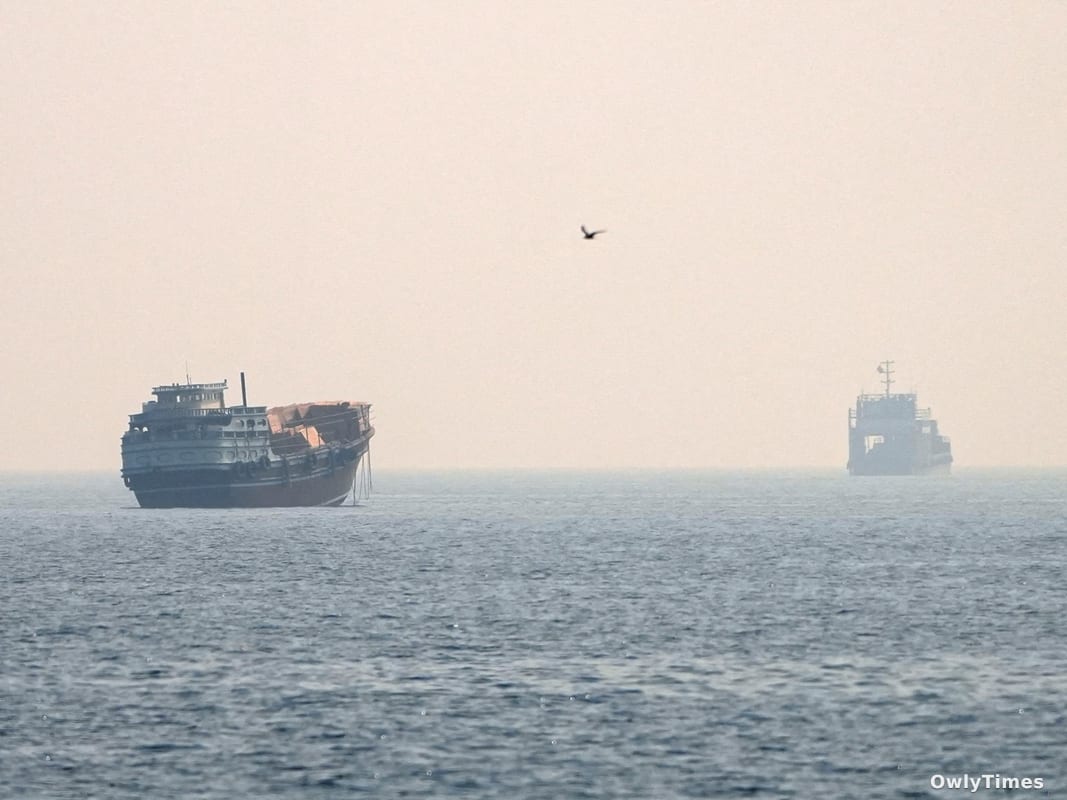
The conflict intensified after the Islamic Revolutionary Guard Corps (IRGC) reportedly disabled the Cyprus-flagged container ship GFS Galaxy in the strait. According to The Guardian, the vessel was struck and forced to abandon ship, with the Indian government confirming that one crew member remains missing. In response, US Central Command (Centcom) launched a massive offensive, striking 140 military targets on Saturday night followed by further strikes on Sunday.
The scope of the retaliation highlights the regional volatility. While Al Jazeera notes that Iranian forces hit bases in the UAE, Qatar, Kuwait, Oman, and Bahrain, the BBC specifies that the attacks on Qatar and the UAE are particularly significant as they had not seen such hostilities since April and May, respectively. Centcom continues to insist that the Strait remains open, though Al Jazeera cites data from the maritime intelligence platform Windward showing traffic dropped to just nine vessels between Saturday and Sunday morning, down from a peacetime average of 130 daily.
Global Market Contagion
The uncertainty has triggered a sell-off in Asian markets. Euronews reports that the Nikkei 225 dropped 1.1% while the Kospi plunged 5.6%. Tech stocks, previously bolstered by AI enthusiasm, saw significant corrections; notably, SK Hynix shares fell 10.6% in Seoul following their recent high-profile debut.
Analysts suggest that while the current spike is significant, the market is not yet pricing in a return to the $120-per-barrel highs seen in April. Al Jazeera quotes Fabien Yip of IG noting that the global economy has adapted to the "prolonged uncertainty," and that additional supply from OPEC+ and stranded-tanker releases may dampen further price hikes.
What this means for your wallet
For investors and consumers, the immediate risk is tied to inflation and interest rates. Euronews warns that persistent oil price volatility could force the Federal Reserve to maintain or raise interest rates to combat inflationary pressure. With major US banks including Bank of America, Citigroup, JPMorgan Chase, Goldman Sachs, and Wells Fargo scheduled to report earnings this week, watch for corporate guidance on how rising energy costs are impacting operational margins. If those firms signal a squeeze, expect increased market volatility heading into the weekend.