
The Calculus of Unity: Democrats Pivot to a Post-Partisan Strategy in Texas
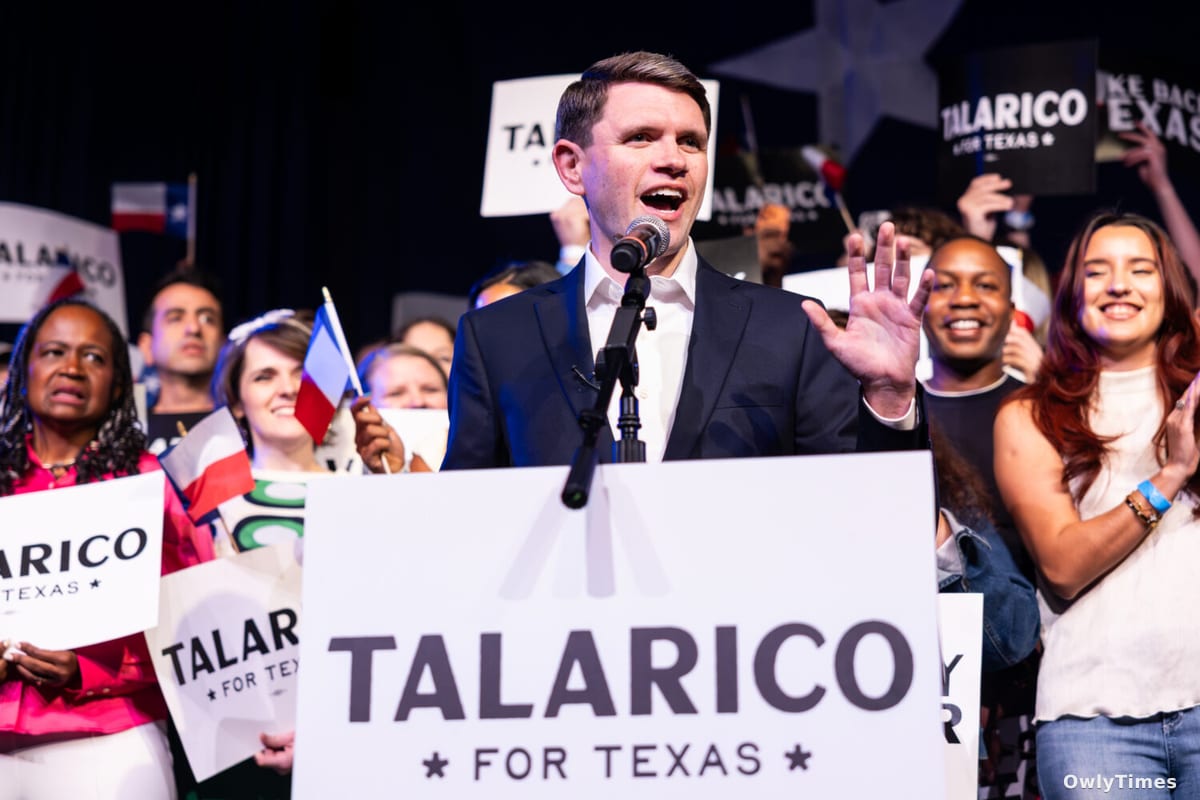
The Democratic nomination of James Talarico for U.S. Senate in Texas isn’t simply about finding a candidate who can win; it’s a calculated gamble on a shifting national mood. While the immediate context is a Texas Senate race, the strategic decision to elevate Talarico over Jasmine Crockett reveals a broader Democratic attempt to reframe the opposition to Donald Trump – and, crucially, to move beyond constant confrontation. The party is betting that a message of unity and “love,” however idealistic it may sound, will resonate more deeply with voters fatigued by relentless political division, particularly as a foreign war adds another layer of anxiety. This isn’t a rejection of anti-Trump fervor, but a repositioning of it, aiming to capture the center while still energizing the base.
This piece references the houstonpublicmedia.org report.
The victory itself was a surprise to many. Talarico, at 36, defeated Crockett, a rising star known for her direct and often combative style. The shift signals a discomfort within the Democratic establishment with the increasingly polarized rhetoric that has defined recent political cycles. Crockett’s concession speech, emphasizing the need for Texas to “remain united,” was a carefully calibrated message, acknowledging the internal divisions while attempting to project a unified front against the looming Republican challenge. The fact that Kamala Harris swiftly pivoted her endorsement from Crockett to Talarico, accompanied by a fundraising email, underscores the speed and decisiveness of this strategic realignment. This wasn’t a natural progression; it was a directed course correction.
Who benefits and who loses from this shift? Talarico immediately gains access to the party’s resources and a narrative of hopeful change. The national Democratic apparatus, desperate to break its three-decade losing streak in Texas statewide races, hopes Talarico’s more moderate appeal will broaden their reach beyond traditional Democratic strongholds. Crockett loses a Senate bid, but retains her House seat and a significant platform – though her influence may be tempered by the party’s clear preference for Talarico’s approach. The biggest potential loser, however, is the segment of the Democratic base that relishes the fight, those who see Trump and his allies as irredeemable and demand uncompromising opposition. Talarico will need to actively court these voters, as evidenced by his direct appeal for their “trust.”
This strategy isn’t without historical precedent. Consider the post-Watergate era, when the Democratic Party, reeling from scandal and division, attempted to project an image of moral authority and national healing. Jimmy Carter’s 1976 campaign, built on a platform of honesty and competence, mirrored this impulse. While the parallels aren’t perfect – the political landscape is far more fragmented today – the underlying logic is similar: when voters are exhausted by conflict, they often gravitate towards candidates who promise a return to normalcy and civility. However, Carter’s presidency also demonstrated the limitations of this approach; a message of unity can be perceived as weakness, and a focus on “love” can be dismissed as naive in the face of entrenched political opposition.
The upcoming Republican runoff between John Cornyn and Ken Paxton will be critical. While conventional wisdom favors Talarico against Paxton, given the Attorney General’s legal troubles and controversial past, a Cornyn nomination presents a different challenge. Cornyn is a seasoned politician with a reputation for pragmatism and fundraising prowess. He represents a more formidable opponent, forcing Talarico to prove that his message of unity can withstand a more traditional, and potentially more effective, Republican campaign. The political chess move to watch next isn’t simply who wins the Republican runoff, but how Talarico adapts his strategy – and whether he can maintain the delicate balance between appealing to the center and energizing his base – in the face of a potentially tougher opponent.