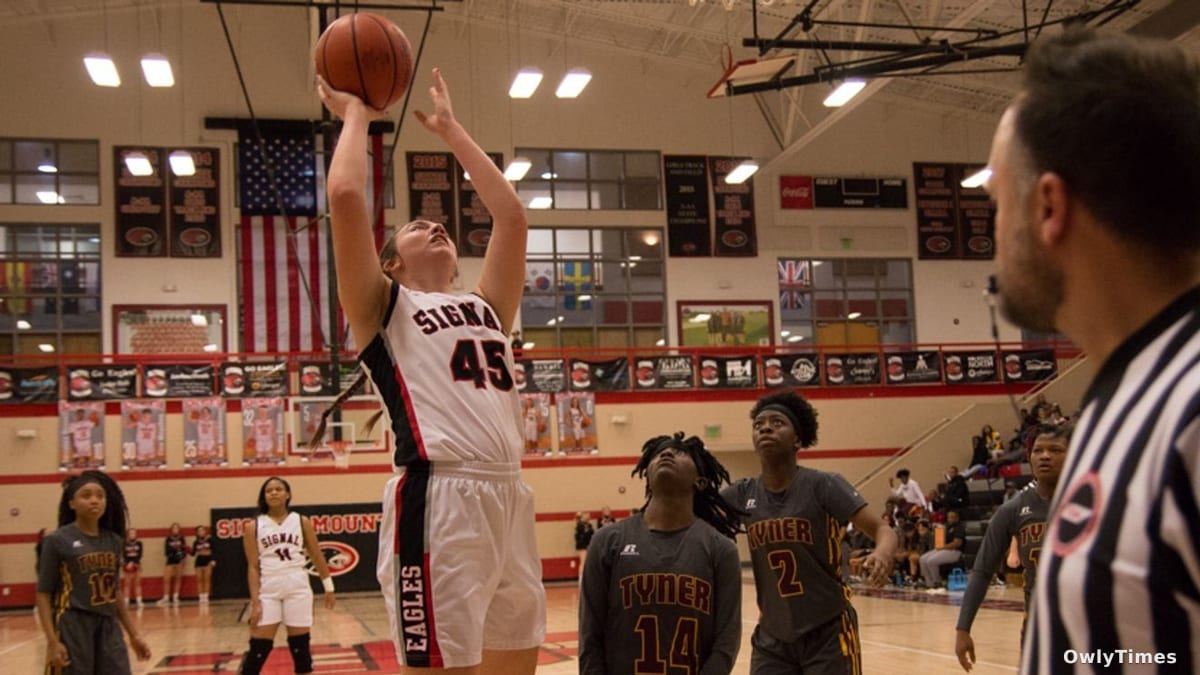

The chipped paint on the gymnasium walls of Tyner Academy seemed to vibrate with the energy of a recent comeback win against Signal Mountain, a victory captured in a now-familiar photograph circulating online. But beyond the celebratory high-fives and the thrill of the game, a quiet revolution is brewing in Tennessee high school athletics, one that threatens to redraw the lines between public and private education – and it’s not about the kids on the court, but the ones choosing where to learn. A bill recently passed by the State Senate, and now awaiting consideration in the House, could allow students at private schools with fewer than 200 students to try out for sports teams at their zoned public high schools, a move framed as leveling the playing field but sparking accusations of “double dipping” and fundamentally altering the landscape of competitive high school sports.
A Question of Access and Equity
The core argument, as articulated by State Senator Adam Lowe of Bradley County, centers on parity. “This right now, it's just taking into account that there are smaller private schools,” he explained, emphasizing the bill’s intention to grant these students the same access to athletic opportunities already afforded to homeschoolers. For years, Tennessee law has allowed homeschooled students to participate in public school sports, a provision proponents point to as precedent. But the comparison isn’t straightforward. Homeschooling often represents a financial and logistical commitment distinct from choosing a private school, and the number of homeschool athletes participating remains a fraction of the potential influx this bill could unleash. In the 2024-2025 school year, roughly 35,000 Tennessee students were homeschooled, compared to an estimated 50,000 attending private schools – a significant pool of potential new athletes. The Tennessee Secondary School Athletic Association (TSSAA) hasn’t released a formal impact study, but internal estimates suggest a potential surge in tryout numbers, particularly in wealthier districts with established private schools.
Drawn from newschannel9.com.
The “Double Dipping” Dilemma
The most vocal opposition to the bill comes from lawmakers who see it as an unfair advantage. The accusation of “double dipping,” leveled during Senate debate, cuts to the heart of the concern: why should students benefit from the academic resources of a private education and the athletic opportunities of a public school system funded by taxpayers? One unnamed lawmaker bluntly stated, “You shouldn't be able to attend a private school academically and attend a sports school in a public setting.” This isn’t simply about resentment; it’s about resource allocation. Public school athletic programs, particularly in rural or underfunded districts, often rely on limited budgets and dedicated coaching staff. The addition of potentially more competitive athletes from private schools could strain these resources, potentially impacting opportunities for students who rely solely on the public system. The bill doesn’t guarantee roster spots, but the increased competition will undoubtedly make it harder for public school students to secure playing time.
Beyond the Playing Field: A Shifting Educational Landscape
This debate isn’t solely about sports; it’s a symptom of a larger cultural tension surrounding school choice and the evolving role of public education. The rise of charter schools, voucher programs, and homeschooling reflects a growing dissatisfaction with traditional public schools among some parents, often driven by concerns about academic performance or school safety. This bill, while ostensibly focused on athletics, further erodes the boundaries between these systems. It implicitly acknowledges that public schools can serve as a supplemental resource for students choosing alternative educational paths. This raises a fundamental question: if public schools are willing to open their athletic programs to private school students, what other resources – academic programs, extracurricular activities – might be shared in the future? The potential for a two-tiered system, where private schools benefit from public resources without contributing to the tax base, is a legitimate concern.
What Happens When the Whistle Blows?
The bill’s fate now rests with the House, where the debate is expected to be even more contentious. Even if it passes and is signed into law by the governor, the TSSAA will face the challenge of implementing the new rules fairly and effectively. Will there be restrictions on the types of private schools eligible? Will there be a cap on the number of private school students allowed to try out for each team? And perhaps most importantly, how will the TSSAA address the potential for competitive imbalances and ensure that public school athletes aren’t unfairly disadvantaged? The 2026-2027 school year, when the law would take effect, feels a long way off, but the groundwork is being laid now. The question isn’t just whether this bill will pass, but whether it will fundamentally alter the relationship between public and private education in Tennessee, and what that means for the future of high school athletics – and the students who play the game. Will we see a mass exodus of athletes from smaller private schools to public teams, or will the logistical hurdles and increased competition prove to be a deterrent? That’s the play everyone will be watching.