
The Performance of Anti-Racism: Trump’s Strategic Reliance on Personal Denials
The recent flurry of activity – a video depicting the Obamas as apes shared on Donald Trump’s Truth Social account, a legal battle over a slavery exhibit in Philadelphia, and a subsequent effort to list Black celebrity supporters – isn’t a descent into erratic behavior, but a calculated, if clumsy, attempt to shore up a fracturing coalition. The strategic calculus is clear: with his core base secure, Trump is attempting a recalibration of his appeal to Black voters, or at least, to neutralize the perception of racial animus that consistently undermines his broader political ambitions. This isn’t about winning over a majority; it’s about peeling off enough voters to swing key states in 2024, and more immediately, demonstrating continued relevance within the Republican party.
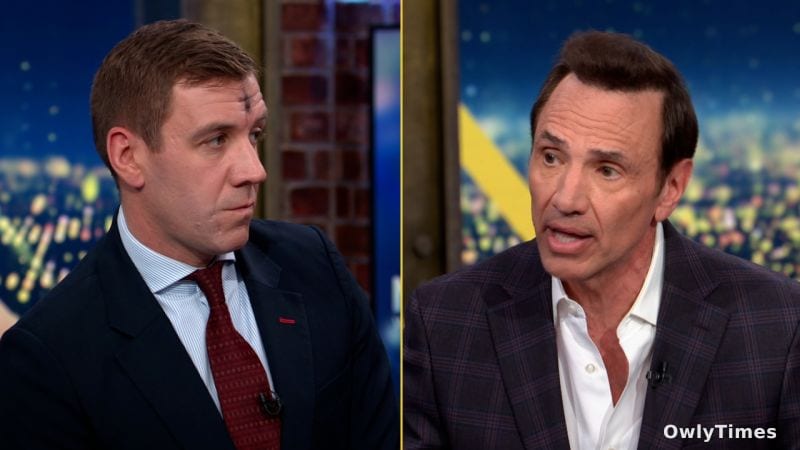
The timing is critical. The posting of the video, followed by the name-dropping of celebrities, occurred within two weeks of each other, creating a pattern. This isn’t damage control in the traditional sense – acknowledging wrongdoing and offering amends. It’s a performance of anti-racism, designed to inoculate Trump against accusations while simultaneously signaling to his base that he is “fighting back” against what he portrays as a biased media. Who benefits? Primarily Trump himself, by attempting to control the narrative and deflect criticism. Who loses? The credibility of any genuine effort towards racial reconciliation, and potentially, the Republican party’s already tenuous standing with Black voters. The CNN panel’s debate over whether Trump is “losing Black MAGA” misses the point – the goal isn’t necessarily to gain Black voters, but to prevent them from actively working against him.
This tactic of personal denial and selective association isn’t new. Throughout American political history, figures accused of prejudice have often relied on showcasing personal relationships with members of the targeted group as evidence of their good character. Richard Nixon, despite a documented history of racially insensitive remarks and policies, famously cultivated relationships with Black leaders like Roy Wilkins and Whitney Young, using these connections to counter accusations of racism. The difference, however, lies in the context. Nixon’s efforts, while arguably self-serving, were framed within a broader policy agenda aimed (however imperfectly) at addressing racial inequality. Trump’s approach feels more transactional, a superficial attempt to deflect criticism without addressing the underlying concerns.
Drawn from CNN.
The fight over the slavery exhibit in Philadelphia further complicates the picture. The Trump administration’s opposition to restoring the exhibit, as reported by CNN, isn’t simply a matter of historical interpretation. It’s a signal to a segment of the electorate that feels alienated by what they perceive as an overemphasis on America’s historical injustices. This is a deliberate appeal to a sense of grievance, a tactic that has proven remarkably effective for Trump in the past. The parallel to the “Lost Cause” mythology following the Civil War is striking – a selective retelling of history designed to minimize the horrors of slavery and glorify the Confederacy. This isn’t about preserving history; it’s about weaponizing it.
The broader implications extend beyond the 2024 election. Trump’s continued dominance within the Republican party, despite – or perhaps because of – these controversies, demonstrates the power of identity politics and the willingness of voters to overlook problematic behavior in favor of perceived loyalty. The fact that the CNN coverage includes segments on Stephen Colbert’s conflict with CBS and the Epstein files underscores a larger trend: a pervasive sense of distrust in institutions and a growing appetite for disruptive figures who challenge the status quo. The focus on these separate scandals, while important in their own right, also serves to distract from the core issue of Trump’s ongoing attempts to redefine the boundaries of acceptable political discourse.
The political chess move to watch next isn’t whether Trump will name more Black celebrity supporters. It’s whether he will attempt to leverage the ongoing investigations into Hunter Biden to further amplify accusations of racial bias within the Justice Department. Framing the investigation as a politically motivated witch hunt targeting a white man while simultaneously downplaying concerns about racial injustice would be a classic Trump maneuver – a cynical attempt to exploit divisions and consolidate his power. The question is whether the Republican party will continue to enable this strategy, or whether it will finally begin to challenge his increasingly divisive rhetoric.