
The Power Play Behind Challenging Birthright Citizenship
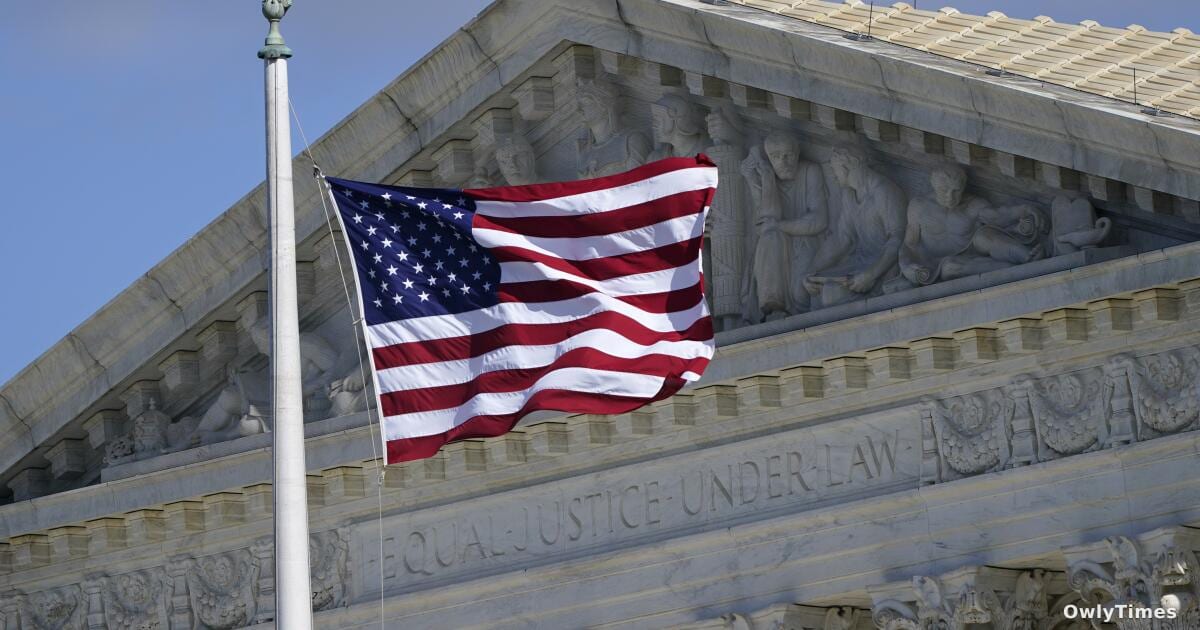
The Supreme Court’s hearing on President Trump’s claim to unilaterally alter birthright citizenship isn’t about legal semantics; it’s a calculated escalation in a decades-long strategy to redefine American national identity and consolidate executive power. While framed as a correction of a supposed “misunderstanding” of the 14th Amendment, the move is fundamentally a test of constitutional boundaries – a probe to see how far a president can push the limits of their authority in areas traditionally reserved for Congress. The timing, coinciding with renewed calls for voter ID laws and proof of citizenship, reveals a broader effort to weaponize citizenship as a political tool.
This piece references the the Los Angeles Times report.
The core argument, presented by Solicitor General D. John Sauer, hinges on a reinterpretation of the “subject to the jurisdiction” clause of the 14th Amendment. This isn’t a novel legal theory. What is novel is the attempt to impose this interpretation through executive order, bypassing the legislative process explicitly granted to Congress by the Constitution to “establish a uniform rule of naturalization.” This echoes a pattern established earlier this year when the court blocked Trump’s tariffs, reaffirming Congress’s constitutional authority over trade. However, the stakes are demonstrably higher with citizenship, touching upon fundamental questions of belonging and national identity. Who benefits from this shift? Primarily, a political base energized by anxieties over demographic change and border security. Who loses? Potentially millions, including children born to undocumented or temporary residents, and the broader principle of equal protection under the law.
The historical precedent cited by Trump’s legal team – the claim of a 160-year “misunderstanding” – is demonstrably weak. The 1866 Civil Rights Act, passed immediately after the Civil War and later enshrined in the 14th Amendment, explicitly affirmed citizenship for “all persons born” in the United States. The 1898 Wong Kim Ark decision, a ruling from a conservative Supreme Court, definitively upheld this principle, establishing that birth within U.S. territory guarantees citizenship regardless of parental status. To suggest this settled law is based on a misunderstanding ignores a century and a half of legal precedent and legislative intent. The 1952 revisions to immigration law further solidified this understanding, incorporating the same provision without debate. This isn’t about clarifying ambiguity; it’s about actively dismantling a long-established legal framework.
The contradiction at the heart of Trump’s strategy is stark. Last week, the White House advocated for requiring birth certificates as proof of citizenship for voting. This week, his lawyers argue that a birth certificate isn’t sufficient proof of citizenship. As Eliza Sweren-Becker of the Brennan Center succinctly put it, there’s a “logical inconsistency” at play. This isn’t merely a legal dispute; it’s a deliberate attempt to create confusion and distrust in the very foundations of citizenship. The potential impact, as outlined by the ACLU, is far-reaching, potentially casting a shadow over the citizenship of “millions upon millions of Americans, going back generations.” The estimated “tens of thousands of children born every month” who could be affected represent not just individual hardship, but a potential destabilization of communities and families.
The court may opt for a narrow ruling, striking down the executive order on procedural grounds – its conflict with existing federal immigration laws. This would be a tactical win for Trump, allowing him to claim the principle remains open for debate and potentially paving the way for Congress to legislate a change. However, a more significant outcome would be a broader affirmation of executive authority, even if limited. The political chess move to watch next isn’t the immediate outcome of this case, but rather Trump’s response. Will he accept a narrow defeat and pivot to pressuring Congress, or will he continue to escalate, framing any setback as evidence of a “rigged” system and further fueling the narrative of a besieged nation? The answer will reveal the true extent of his ambition and the long-term strategy behind this challenge to the very definition of American citizenship.