
Is the ousting of a cabinet member really about incompetence, or is it a meticulously staged distraction? The sudden removal of former DHS Secretary Kristi Noem by Donald Trump, while framed as a response to internal frustrations, feels less like a personnel shakeup and more like a carefully calibrated move in a much larger, and far more unsettling, game. The real story here isn't about Noem’s performance – it’s about the normalization of chaos as a governing strategy, and the chilling efficiency with which the public’s attention is being diverted from escalating international crises.
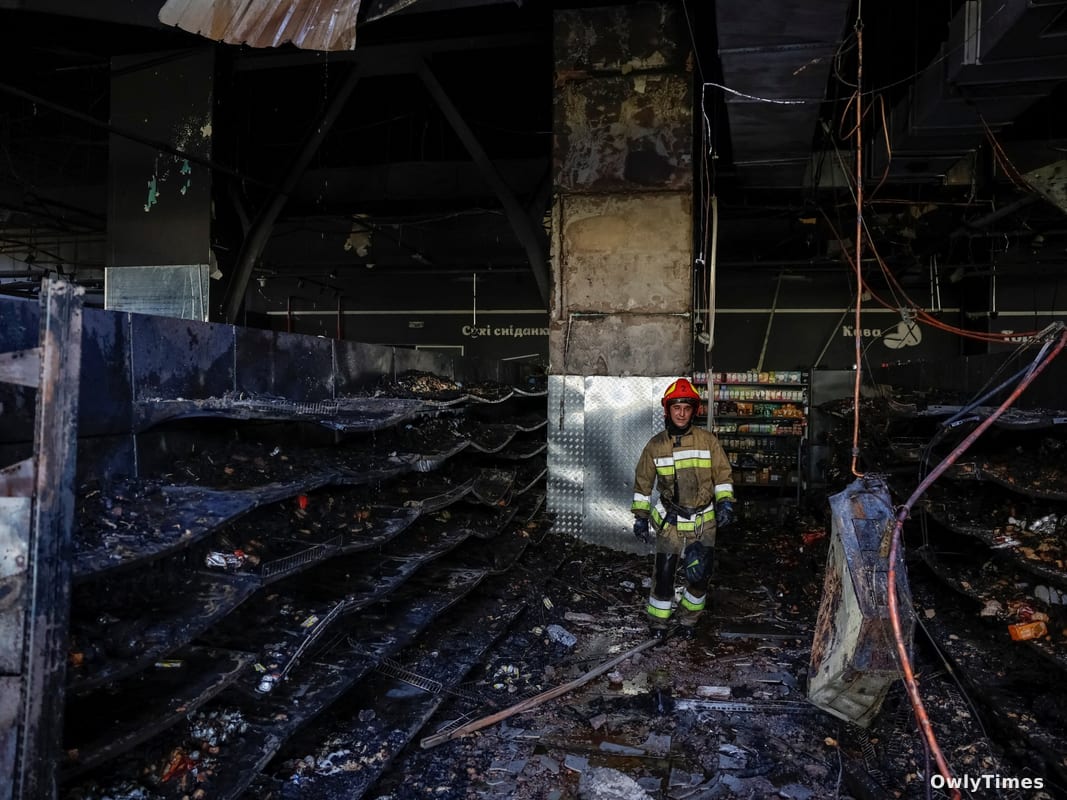
The narrative, as presented by CNN and echoed across the political spectrum, centers on reported tensions between Noem and White House officials, as well as dissatisfaction from within the GOP. Trump himself, in a characteristically self-aggrandizing move, touted the ongoing Middle East conflict as a “success” while announcing Noem’s departure. This juxtaposition isn’t accidental. It’s a classic misdirection play, designed to bury potentially damaging news about foreign policy under a flurry of domestic drama. The timing, coinciding with CNN’s investigative report on US-Israeli strikes near hospitals, is particularly glaring. The network’s reporting details strikes hitting “dangerously close” to medical facilities – a detail that demands scrutiny, yet is being overshadowed by the spectacle of a political firing.
Source material: CNN.
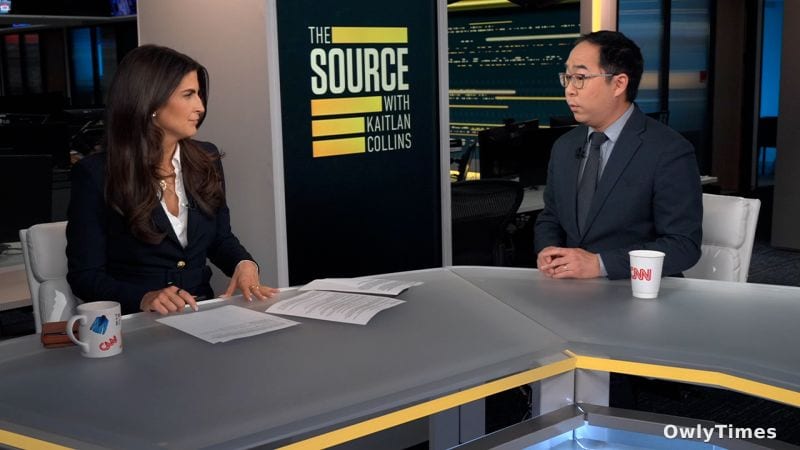
Senator Andy Kim, speaking with Kaitlan Collins, offered a surprisingly muted response, stating he doesn’t anticipate changes at DHS now that Noem is “out the door.” This isn’t a sign of confidence in the department’s future, but rather a tacit acknowledgement that the problems run far deeper than one individual. DHS, tasked with everything from border security to cybersecurity, is a sprawling bureaucracy prone to dysfunction, and swapping out the Secretary isn’t going to magically fix systemic issues. The agency’s struggles, particularly in coordinating responses to complex threats, are a reflection of broader governmental inefficiencies – problems that a change in leadership will likely only mask, not solve. The fact that even a Democrat who previously sparred with Noem sees no significant shift speaks volumes.
The broader context is crucial. This isn’t an isolated incident. Trump’s history is littered with abrupt firings and public rebukes, often delivered via social media. Each instance serves to reinforce his image as a decisive leader, unafraid to shake things up, even if it means creating instability. But the constant churn also has a corrosive effect on institutional knowledge and accountability. When loyalty is prioritized over competence, and impulsive decisions trump careful planning, the entire system suffers. Consider the parallel story of Senator Tim Sheehy forcibly removing a protester from a Senate hearing – a display of aggression that, while garnering headlines, distracts from the substantive issues being debated. It’s a microcosm of the larger pattern: spectacle over substance.
Even the reactions to Noem’s dismissal are telling. Mike Pence, predictably, declared that history would record Trump “made the right call,” demonstrating the enduring power of partisan loyalty. This isn’t about objective assessment; it’s about maintaining the narrative. The fact that Trump is simultaneously attending a dignified transfer of U.S. troops killed in Kuwait – a somber and necessary duty – further complicates the picture. It’s a calculated attempt to project an image of strength and resolve, even as his administration faces mounting criticism on multiple fronts. The optics are carefully managed, designed to evoke patriotism and deflect attention from the underlying turmoil.
The next six months will reveal whether this pattern of distraction intensifies. Watch for a surge in similar, seemingly unrelated controversies designed to dominate the news cycle. Specifically, pay attention to how the administration frames any further escalation in the Middle East. If the situation deteriorates, expect a renewed focus on domestic issues – perhaps a manufactured crisis at the border, or a highly publicized investigation into a political opponent – to divert attention from the unfolding disaster abroad. The question isn’t if another distraction will emerge, but when, and how effectively it will succeed in obscuring the real story.