
The air we breathe, and the future health of generations to come, hang in the balance following the Trump administration’s February 12th revocation of the “endangerment finding.” This isn’t simply a policy shift; it’s a deliberate dismantling of the scientific foundation for regulating greenhouse gas emissions, and a move that demands careful scrutiny. While headlines proclaimed the administration “scrapped” the finding, the reality is more nuanced – and potentially more dangerous. The action doesn’t erase the science demonstrating harm, but rather attempts to legally hamstring the Environmental Protection Agency’s (EPA) authority to act on that science. Understanding how this revocation impacts public health requires understanding the original finding, and the complex web of policy it enabled.
The endangerment finding, issued in 2009, was a landmark determination that carbon dioxide, methane, and four other greenhouse gases “threaten the public health and welfare of current and future generations.” This wasn’t a political statement; it was a scientific conclusion, establishing the legal basis for the EPA to regulate these emissions under the Clean Air Act. Once acknowledged as harmful, the EPA gained the power – and, crucially, the responsibility – to curb pollution from sources like vehicles and power plants. Regulations stemming from this finding have demonstrably improved air quality and slowed the pace of climate change, offering particular benefits to communities already burdened by pollution. To suggest, as the current EPA does, that it has no obligation to regulate these gases is a direct contradiction of its core mission: to protect health. The legal challenges already mounting suggest the courts may recognize this contradiction.
This revocation isn’t an isolated event, but a culmination of a broader pattern. Over the past four years, we’ve witnessed a systematic defunding of health research focused on vulnerable populations, a deliberate weakening of scientific capacity within federal agencies, and a consistent undermining of the data and institutions designed to safeguard public health. The recent announcement that the EPA will no longer factor the health benefits of cleaner air into its regulatory calculations – prioritizing the cost to polluters instead – is a stark illustration of this shift. The administration is actively creating a regulatory environment more favorable to industry, at the direct expense of public well-being. This isn’t simply deregulation; it’s a re-prioritization of values, one that places economic interests above the health of its citizens.
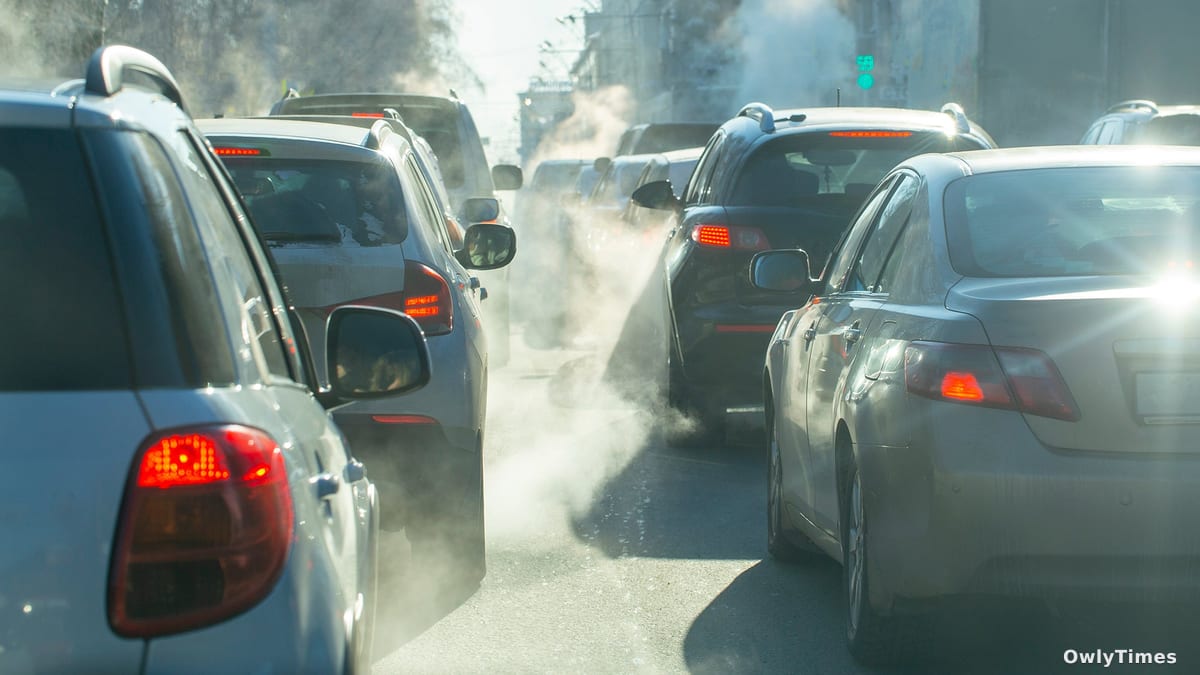
The immediate health consequences of this policy shift are likely to be felt in the form of increased air pollution. Without requirements to cut greenhouse gas emissions from power plants and improve vehicle fuel efficiency, we can expect a rise in dangerous pollutants like fine particulate matter (PM2.5). These particles, released when fossil fuels are burned, are linked to a range of serious health problems, including increased risk of premature death, chronic heart and lung disease, and, critically, disproportionately impact communities living near highways, power plants, and industrial facilities. My own research demonstrates the severity of this impact: children exposed to high levels of traffic pollution have three times the odds of developing asthma compared to those living in less polluted areas, and we’re seeing evidence of lung scarring in adults with similar exposures.
This article draws on reporting from hsph.harvard.edu.
Looking further ahead, the long-term health impacts are even more concerning. Climate change, driven by greenhouse gas emissions, presents a cascade of public health risks. We’re already seeing increased frequency and severity of extreme weather events – hurricanes, floods, wildfires – all of which have direct and devastating health consequences. Hotter temperatures contribute to preterm births and hospitalizations for respiratory and cardiovascular problems. Warmer conditions exacerbate ground-level ozone pollution, worsening respiratory disease and increasing mortality in older adults. And the increasing risk of wildfires, fueled by climate change, triggers asthma attacks and contributes to thousands of excess deaths annually – a recent study estimated around 15,000 excess deaths between 2006 and 2020 attributable to wildfire smoke alone. Regulations built on the endangerment finding demonstrably reduced these risks; rolling them back puts years of progress in jeopardy.
Given these policy changes, the research community has a critical role to play. We must continue to rigorously demonstrate the health harms associated with air pollution and climate change, with a particular focus on the disproportionate impacts on children, older adults, and overburdened communities. Reports from organizations like the National Academies of Medicine, and the detailed public comments submitted by expert working groups on climate and health, provide a robust scientific foundation for legal challenges to the EPA’s actions. Researchers can amplify these findings through op-eds, media interviews, and policy briefs, and support legal efforts to compel the EPA to fulfill its mission of protecting public health. Simultaneously, progress continues at the state and local levels, and the public can actively participate in reducing greenhouse gas emissions by advocating for walkable neighborhoods, improved public transit, healthier school lunches, increased green spaces, and investments in renewable energy.
The question now isn’t simply whether the courts will reinstate the endangerment finding, but whether the public will demand that policymakers prioritize health over short-term economic gains. Watch for the emergence of localized health impacts – increases in asthma rates near major roadways, spikes in hospitalizations during heat waves, and the escalating costs of disaster relief following extreme weather events. These aren’t abstract consequences; they are tangible indicators of a policy choice that will define the health of our communities for decades to come.