
A Calculated Gambit: Trump’s “Friendly Takeover” and the Shifting Sands of Cuban Policy
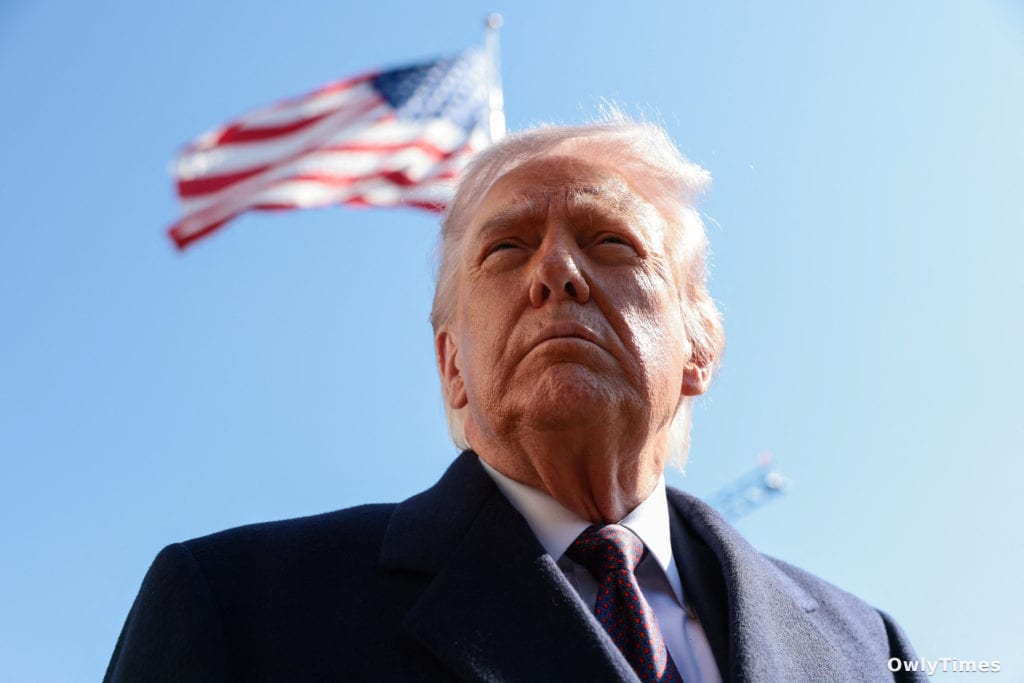
The assertion by President Trump that a “friendly takeover” of Cuba is possible, delivered alongside the claim that Secretary of State Marco Rubio is engaged in high-level negotiations with the Cuban government, isn’t a spontaneous outburst. It’s a calculated escalation of a long-running strategic pressure campaign, leveraging Cuba’s current economic distress to advance a policy objective that has simmered within certain Republican circles for decades: regime change. The language itself – “friendly takeover” – is deliberately ambiguous, masking a potentially aggressive intent behind a veneer of benevolent intervention. This isn’t about humanitarian aid; it’s about exploiting vulnerability. The timing, coinciding with Cuba’s worst economic crisis in decades, is not coincidental.
The Economic Leverage: Havana’s Precarious Position
President Trump’s comment that Cuba “has no money” and “has no anything right now” is demonstrably true, though presented with characteristic bluntness. Cuba’s economy contracted 11% in 2020, a consequence of the COVID-19 pandemic, tightened U.S. sanctions under the Trump administration, and the collapse of tourism – a sector that previously accounted for over 10% of the island’s GDP. The most recent data, though limited, suggests continued contraction in 2021, with shortages of food, medicine, and fuel becoming increasingly acute. This economic pressure isn’t new, but the intensity has increased, creating a situation where the Cuban government is demonstrably weakened and increasingly reliant on limited aid from allies like Russia and Venezuela. Who benefits from this situation? Primarily, hardline factions within the U.S. political establishment who believe economic pressure is the most effective path to regime change. Who loses? The Cuban people, facing widespread hardship, and potentially, regional stability as a destabilized Cuba could create new challenges for the U.S. and its neighbors.
See the original PBS story for the full account.
Rubio’s Role: Beyond Diplomatic Overtures
The claim that Marco Rubio is leading negotiations is particularly noteworthy. Rubio, a staunch critic of the Cuban government and a key architect of the current sanctions regime, has historically advocated for a hard line against Havana. His involvement suggests the administration isn’t pursuing a traditional diplomatic opening, but rather a negotiation from a position of maximal leverage – essentially, dictating terms to a desperate government. This is a departure from the Obama administration’s approach of engagement and normalization, which aimed to foster economic and political reforms through dialogue. The strategic calculation here is that a weakened Cuba, facing internal unrest, is more likely to concede to U.S. demands, potentially including political and economic concessions that would significantly alter the island’s sovereignty. It’s a high-stakes gamble, predicated on the assumption that the Cuban government will prioritize its own survival over ideological principles.
Echoes of History: The Platt Amendment and U.S. Interventionism
The talk of a “friendly takeover” evokes a troubling historical parallel: the Platt Amendment of 1901. Imposed on Cuba after the Spanish-American War, the Platt Amendment granted the U.S. the right to intervene in Cuban affairs, effectively making Cuba a U.S. protectorate. While President Trump frames this as a “friendly” outcome, the historical precedent suggests a loss of Cuban autonomy and a potential for exploitation. The amendment was widely resented by Cubans and ultimately repealed in 1934, but its legacy continues to shape Cuban-American relations. The current situation, while not a formal amendment, represents a similar attempt to exert control over Cuba’s internal affairs through economic pressure and the threat of intervention. The difference now is the absence of a clear legal framework for intervention, raising questions about the legitimacy and potential consequences of any direct U.S. involvement.
The Next Move: Will Pressure Translate to Policy Shift?
The immediate political chess move to watch isn’t whether a “friendly takeover” materializes – that’s a long-term, uncertain outcome. It’s whether the Biden administration will reverse the Trump administration’s policies toward Cuba. While President Biden has signaled a willingness to re-engage with Cuba, he has yet to significantly roll back the sanctions imposed by his predecessor. The pressure from Rubio and other hardliners within the Republican party, coupled with the ongoing economic crisis in Cuba, creates a complex political landscape. The question is whether Biden will prioritize a more pragmatic approach – seeking incremental improvements in human rights and economic conditions through dialogue – or succumb to the pressure for a more assertive, interventionist policy. The upcoming midterm elections will undoubtedly factor into this calculation, as both parties attempt to appeal to the significant Cuban-American voting bloc in Florida.