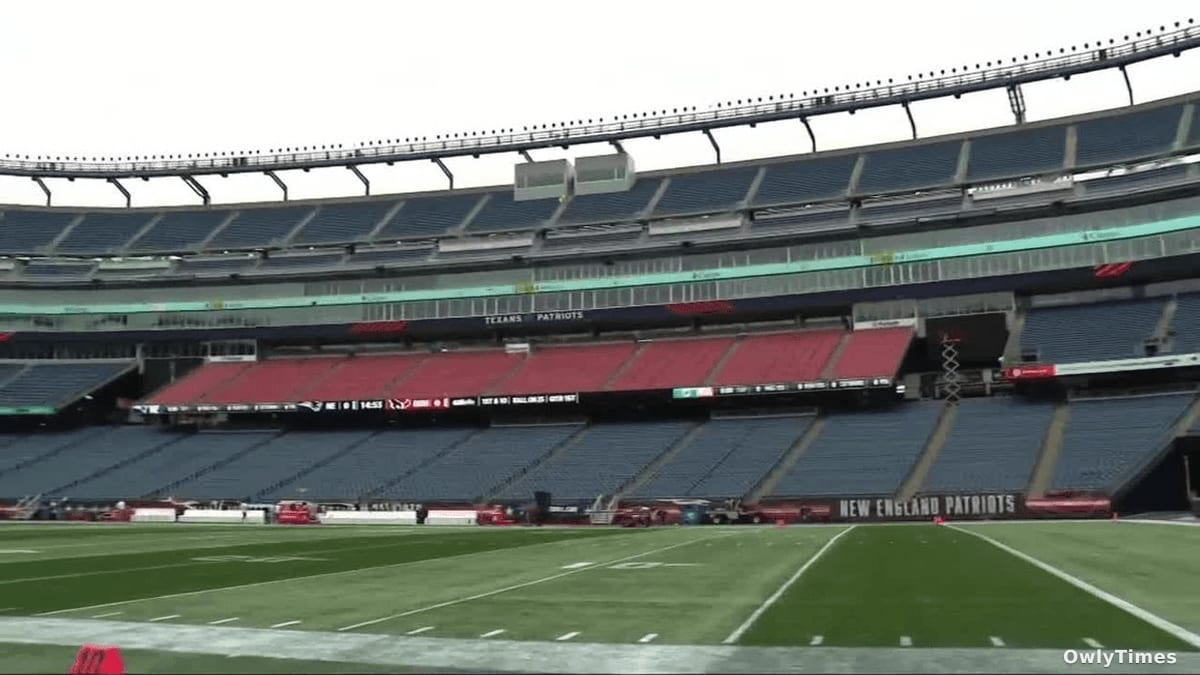

The fluorescent lights of Gillette Stadium seemed to hum a little louder Thursday night, not with the anticipation of a Patriots touchdown, but with the quiet relief of a deal struck. Outside, in the town of Foxborough, a different kind of game had been playing out – a high-stakes negotiation over who would foot the $7.8 million bill for security when the world’s eyes descend for the World Cup this summer. It wasn’t about soccer fandom; it was about the increasingly complex financial realities of hosting mega-events, and the delicate balance between civic pride and local budgets. The news that Kraft Sports and Entertainment would contribute $1,512,490 in advanced payments, while not covering the entire cost, felt less like a victory and more like a temporary ceasefire in a growing national trend.
The Price of the Beautiful Game
Seven games are slated for Gillette Stadium this summer, a significant win for New England and a testament to the stadium’s capacity to host international events. But that prestige comes at a price. $7.8 million for security isn’t an outlier; it’s becoming the norm. Compare that to the 2022 World Cup in Qatar, where estimates for security costs topped $500 million nationally, and you begin to see the scale of the financial burden placed on host cities. The difference here is that Foxborough, a town of just over 22,000 residents, was facing the prospect of absorbing a disproportionate share of that cost. The initial impasse between town officials and the Boston26 committee – the group bidding for and organizing the local World Cup efforts – highlighted a critical tension: the benefits of hosting are often enjoyed regionally and nationally, while the costs fall squarely on local taxpayers. This isn’t a new story; it’s a pattern repeating itself across the country as cities vie for the economic boost of large-scale events.
Beyond the Balance Sheet: A Question of Fairness
The $1.5 million contribution from Kraft Sports and Entertainment is framed as a partnership, and in some ways, it is. Robert Kraft’s organization benefits directly from the increased foot traffic and positive publicity associated with the World Cup. But the advanced payment structure, with reimbursement terms still to be finalized, raises questions about long-term financial responsibility. Why an advance, and not a full commitment? The answer likely lies in risk mitigation. Kraft Sports isn’t willing to shoulder the entire burden should costs escalate – a very real possibility given the current geopolitical climate and evolving security threats. This isn’t simply about money; it’s about power dynamics. A privately-owned sports empire negotiating with a local town government is inherently uneven. The town board’s pending approval of the licensing agreement is the last line of defense, a chance to ensure the deal truly benefits Foxborough, and doesn’t leave residents holding the bag.
Based on the original turnto10.com report.
The Ripple Effect of Hosting
The timing of this announcement is also noteworthy. It arrived on the same day news broke that Kim English would not be returning as coach of Providence College basketball. While seemingly unrelated, both stories speak to the shifting landscape of financial commitments in New England sports. English’s departure, reportedly due to a contract dispute, underscores the increasing pressure on athletic programs to compete financially in the era of Name, Image, and Likeness (NIL) deals and the transfer portal. The World Cup security funding debate, meanwhile, highlights the growing cost of hosting sports, not just playing them. These aren’t isolated incidents; they’re symptoms of a broader trend where the financial demands of athletics – at all levels – are straining resources and forcing difficult choices. The $7.8 million figure, while substantial, represents a fraction of the overall $400 million economic impact Boston26 projects the World Cup will have on the region. But that projection relies on smooth execution, and a willingness from all parties to share the financial burden.
What Happens When the Final Whistle Blows?
The Foxborough Town Board’s decision on the licensing agreement will be pivotal. Will they accept the current terms, or will they push for a more equitable distribution of costs? More importantly, this situation forces a larger conversation: what is the true cost of hosting these mega-events, and who ultimately pays? As other cities consider bids for future Olympics, World Cups, and even large-scale conventions, they need to look beyond the projected economic benefits and carefully assess the potential financial risks. The question isn’t whether these events are good for the country, but whether they are sustainable for the communities that host them. Will we see a future where only the wealthiest cities can afford to bid, effectively excluding smaller towns like Foxborough from the global stage? That’s a game we don’t want to lose.