
A Nation on Edge: Examining the Intersection of Political Rhetoric and a Fatal ICE Shooting
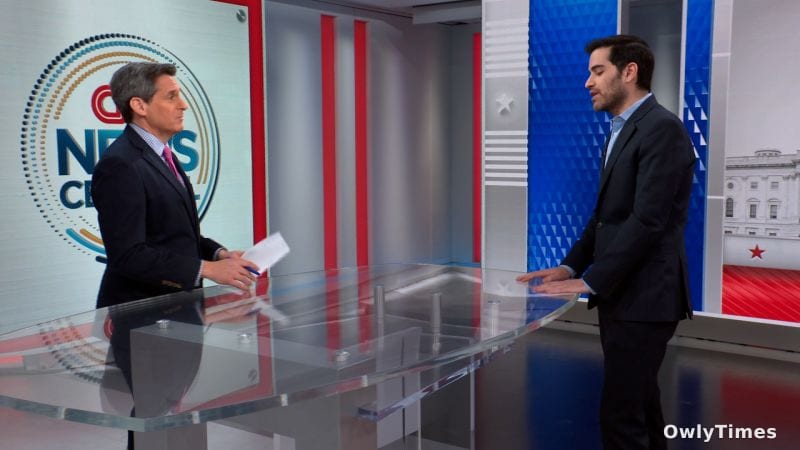
The rapid-fire series of videos circulating from CNN – ranging from analysis of American confidence in the stock market to harrowing footage of a fatal shooting involving an ICE agent in Minneapolis – isn’t simply a collection of disparate news items. It’s a stark illustration of a nation grappling with deep anxieties about security, economic stability, and the increasingly polarized rhetoric surrounding immigration enforcement. The shooting, and the immediate political fallout, underscores a critical tension: the widening gap between official narratives and eyewitness accounts, and the dangerous consequences of escalating inflammatory language. This isn’t just a local tragedy; it’s a national flashpoint.
This article draws on reporting from CNN.
Background & Context: A History of Escalation
The shooting of a woman by an ICE agent on February 2nd, and the subsequent responses, didn’t occur in a vacuum. It’s the latest incident in a long history of controversy surrounding Immigration and Customs Enforcement and its tactics. The agency has faced consistent criticism for its aggressive enforcement policies, particularly under the Trump administration, and accusations of excessive force. The incident also arrives amidst a broader national debate about police accountability and the use of force, fueled by years of documented cases of misconduct and systemic bias.
The immediate political reaction is equally telling. South Dakota Governor Kristi Noem’s claim that the shooting was the result of an “act of domestic terrorism” – a statement swiftly rebuked by Minneapolis Police Chief Brian O’Hara – represents a significant escalation in rhetoric. This echoes a pattern of framing any challenge to law enforcement as an attack on the nation itself, a tactic frequently employed by figures like Stephen Miller, a key architect of the Trump administration’s immigration policies, who was challenged by Senator Thom Tillis to substantiate his claims. The speed with which these narratives emerged, even before a full investigation was completed, highlights the pre-existing political biases at play.
The Significance of Conflicting Narratives and Political Intervention
What’s particularly striking about this case is the direct contradiction between official statements and eyewitness testimony. A witness, captured on video, vehemently disputes any notion of self-defense, stating, “you shot her in the f**king face.” This direct challenge to the potential justification offered by authorities is crucial. The immediate intervention of political figures like Governor Noem – defending the agent and suggesting a terrorist motive – before a thorough investigation is complete, further erodes public trust.
This pattern is significant because it reflects a broader trend: the politicization of law enforcement and the willingness of certain politicians to prioritize narrative control over due process. The fact that Minneapolis Mayor Jacob Frey “tears into” both the Department of Homeland Security and ICE demonstrates the deep distrust between local leadership and federal agencies, a sentiment amplified by the history of federal overreach in immigration enforcement. The inclusion of a segment analyzing American confidence in the stock market alongside these events, while seemingly unrelated, subtly underscores the underlying anxieties permeating the national mood – a sense of instability and uncertainty.
What This Means: Implications for Trust, Policy, and Accountability
The fallout from this shooting has far-reaching implications. For the public, it further diminishes trust in both law enforcement and political institutions. The conflicting narratives and rapid political interventions create a climate of suspicion and fuel existing divisions. For ICE, the incident will undoubtedly lead to increased scrutiny and calls for greater accountability. The agency already faces significant legal challenges and public opposition; this event will likely exacerbate those pressures.
From a policy perspective, the shooting will reignite the debate over immigration enforcement tactics and the appropriate level of federal authority within local communities. The calls for reform will likely intensify, particularly from progressive lawmakers and advocacy groups. The incident also serves as a warning about the dangers of inflammatory rhetoric. Governor Waltz’s message to both Trump and Noem – “You’ve done enough” – suggests a growing recognition of the harmful consequences of escalating political tensions. The challenge now is to translate that recognition into concrete action.
Looking Ahead: A Precarious Path Forward
The coming weeks will be critical. The outcome of the investigation into the shooting will be paramount, but equally important will be how political leaders respond to the findings. Will they prioritize accountability and transparency, or will they continue to defend the agent and perpetuate divisive narratives? We should anticipate further legal challenges to ICE’s practices, as well as increased pressure on the Biden administration to address the systemic issues within the agency.
The broader context of the 2024 election cycle adds another layer of complexity. Immigration is likely to remain a central issue, and the rhetoric surrounding it will undoubtedly become more heated. The potential for further incidents like this, and the subsequent political fallout, is high. The nation is walking a precarious path, and the ability to bridge the widening divides will depend on a commitment to truth, accountability, and a willingness to move beyond the politics of fear and division.