
The pursuit of scientific knowledge is, by its nature, a long game. Researchers understand setbacks, anticipate dead ends, and build resilience into their process. But a recent nationwide survey by STAT, coupled with in-depth interviews with nearly 30 researchers, reveals a level of disruption and uncertainty within the National Institutes of Health (NIH)-funded research community that extends far beyond the typical frustrations of the scientific method. The story isn’t simply about funding cuts – it’s about a chilling effect on the kinds of questions scientists feel safe asking, and a growing concern that political considerations are increasingly outweighing scientific merit in the allocation of resources. While headlines have focused on grant terminations and policy reversals, the deeper impact lies in the erosion of trust and the potential loss of a generation of researchers, particularly those dedicated to addressing health disparities.
The STAT survey of nearly 1,000 NIH-funded researchers paints a complex picture. While some Trump-era policies were indeed reversed, the lingering effects – labs shutting down, careers derailed, and a fractured relationship between scientists and the government – are substantial. It’s easy to quantify these impacts with numbers: grant dollars lost, projects halted, positions eliminated. But the true cost is revealed in the individual stories of scientists like Minoli Perera, Iris Smith, and Carl Latkin, whose work, and careers, have been profoundly affected. These aren’t isolated incidents; they represent a systemic shift in the research landscape.
This article draws on reporting from STAT.
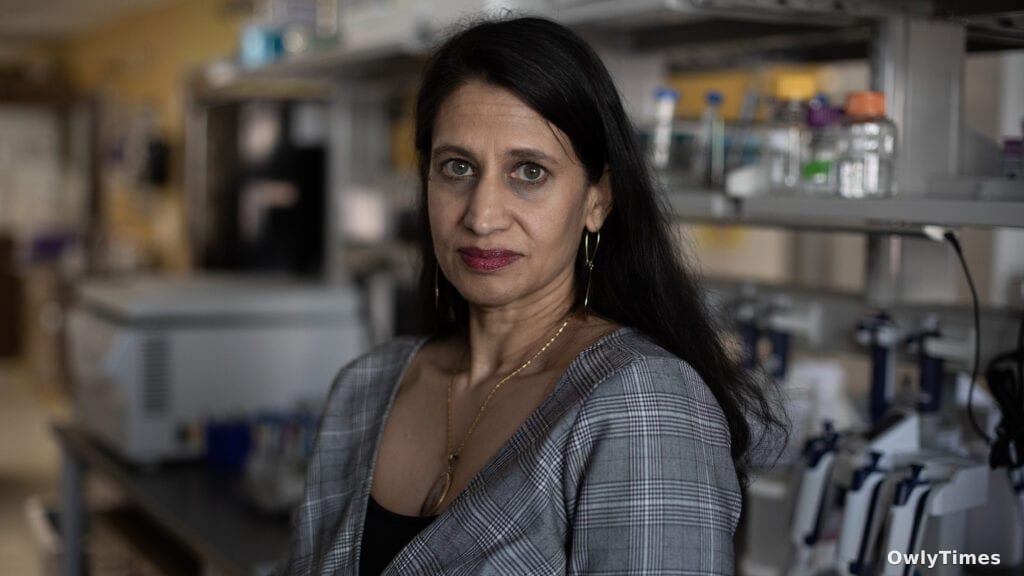
Perera, a researcher at Northwestern University who has spent decades studying the influence of African ancestry on drug response, exemplifies this shift. In 2024, she received an NIH grant to investigate variations in how individuals with diverse ancestral backgrounds metabolize clopidogrel (Plavix), a crucial medication for preventing heart attacks and strokes. Previous studies, largely focused on European ancestry, had identified a liver enzyme mutation impacting the drug’s efficacy. Perera’s innovative approach proposed a study in Puerto Rico, leveraging the island’s population with mixed European, African, and indigenous heritage to understand how varying levels of ancestry correlate with enzyme mutations and drug effectiveness. The goal wasn’t simply to study a specific population, but to generate insights applicable to a broader range of patients. However, the grant was terminated by the NIH, citing concerns that it was based on “non-scientific categories” promoting diversity, equity, and inclusion. Perera vehemently disputes this, emphasizing that her study focused on genomic data, not racial classifications. The loss of $500,000 in funding, half of which was spent building the necessary infrastructure, feels like a profound waste, and threatens the future of her lab.
This case highlights a critical tension: the NIH’s stated commitment to scientific rigor versus a perceived pressure to avoid research that explicitly addresses issues of diversity and inclusion. The agency’s rationale, while framed as upholding scientific standards, raises questions about what constitutes “scientific” inquiry when it comes to understanding health disparities. It’s not simply about studying different groups; it’s about recognizing that genetic and environmental factors interact in complex ways, and that a one-size-fits-all approach to medicine can be detrimental. Perera’s situation isn’t unique; it reflects a broader anxiety among researchers working on issues related to health equity.
The story of Iris Smith, a researcher at the Cleveland Clinic studying endometriosis, further illustrates the precariousness facing early-career scientists. Awarded a prestigious K99/R00 Pathway to Independence award in 2020, Smith was poised to launch a lab dedicated to unraveling the genetic basis of endometriosis, a debilitating condition she herself experiences. This award, intended to support her transition from postdoctoral researcher to independent scientist, was terminated last year as part of the administration’s effort to dismantle DEI initiatives. Despite her extensive training and a clear research plan, Smith now faces the expiration of her employment contract and an uncertain future. Her experience underscores the vulnerability of researchers who rely on federal funding to establish their careers, and the disproportionate impact of policy changes on those from underrepresented backgrounds. Smith’s personal connection to the disease fueled her dedication, but the systemic barriers she encountered threaten to silence a potentially vital voice in endometriosis research.
It’s important to note that the NIH’s actions weren’t simply about cutting funding; they were about reshaping the priorities of the research enterprise. The administration’s rhetoric around “waste, fraud, and abuse” often targeted research on social determinants of health, framing it as ideologically driven rather than scientifically sound. This perspective, as articulated by Carl Latkin of Johns Hopkins University, is deeply concerning. Latkin’s five-year study on environmental stressors and HIV outcomes was abruptly halted, leaving hundreds of patient data sets unanalyzed. While he, as a tenured professor, is somewhat shielded from the immediate consequences, he worries about the message this sends to aspiring scientists. The implication is clear: research that challenges the status quo or addresses social inequities is less valued, and potentially less fundable.
Limitations to Consider
While the STAT survey and interviews provide compelling evidence of the negative impacts of recent federal science policy, it’s crucial to acknowledge the limitations. The survey sample, while large, represents only a subset of NIH-funded researchers. It’s possible that those who responded were more likely to have experienced negative impacts, leading to a biased representation. Furthermore, attributing causality is complex. While the timing of grant terminations coincides with policy changes, other factors, such as the inherent competitiveness of grant funding, may also have played a role. The recent ruling by a federal judge deeming thousands of grant terminations illegal, while significant, didn’t directly address Perera’s case, highlighting the ongoing legal and administrative complexities.
The Future of Funding and Research Direction
The situation is evolving. With a change in administration, some policies have been reversed, and there’s a renewed emphasis on scientific integrity. However, the damage done – the lost time, the derailed careers, the erosion of trust – will take years to repair. The immediate priority is restoring stability to the funding landscape and rebuilding the relationship between researchers and the federal government. But beyond that, a critical conversation is needed about the role of science in addressing societal challenges. Will the NIH prioritize research that tackles health disparities, even if it means challenging conventional wisdom? Will it support early-career scientists from diverse backgrounds, recognizing the value of their unique perspectives?
Looking ahead, researchers, policymakers, and the public should be watching for a key indicator: the composition of NIH advisory councils. These councils play a crucial role in recommending which research projects to fund. If these councils continue to lack diversity in terms of scientific expertise and lived experience, it will signal a continued reluctance to embrace research that addresses the complex interplay between biology, environment, and social factors. The question isn’t simply whether funding will be restored, but whether the research agenda itself will be broadened to reflect the needs of all Americans. Will the next generation of scientists feel empowered to pursue research that truly matters, or will they be forced to navigate a landscape of political constraints and ideological pressures? The answer to that question will determine the future of biomedical research in the United States.