
The Weaponization of Symbolism: Justice Department Banner Signals a Shift in Norms
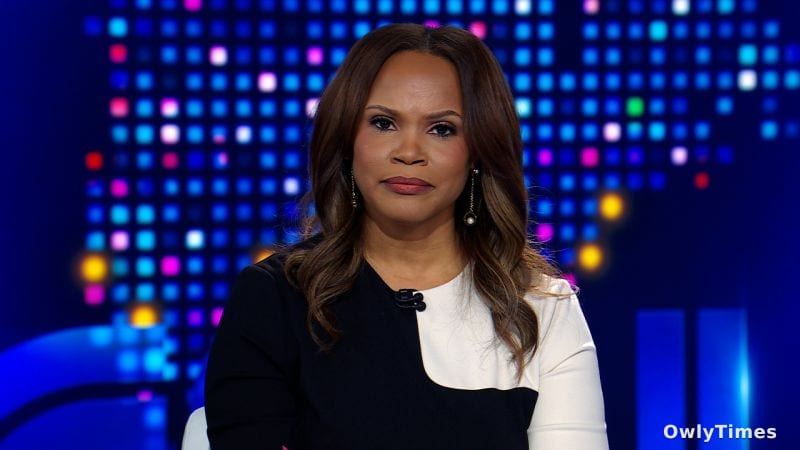
The display of a “Make America Safe Again” banner outside the Department of Justice headquarters wasn’t a spontaneous act of employee enthusiasm; it was a calculated signal. While seemingly a minor incident, the banner, first reported by CNN, represents a deliberate attempt to redefine the Justice Department’s public image – shifting it from an institution of impartial legal process to an extension of the executive’s political agenda. This isn’t simply about aesthetics; it’s about eroding the perceived independence of the DOJ and asserting control over its narrative, a tactic with deep historical precedent. Laura Coates, Chief Legal Analyst at CNN, correctly identified the anomaly, noting she never witnessed such displays during her tenure as a Federal Prosecutor under previous administrations.
Source material: CNN.
The immediate beneficiaries of this symbolic move are, predictably, those within the Trump administration seeking to bolster their “tough on crime” and national security credentials. The banner serves as a visual reinforcement of their core messaging, directly appealing to a base that prioritizes security above all else. Conversely, those who lose are the principles of institutional neutrality and the public’s trust in the fairness of the justice system. The risk isn’t necessarily overt corruption – though that remains a concern – but a subtle shift in the DOJ’s internal culture, where political considerations increasingly outweigh legal ones. This dynamic is particularly dangerous given the ongoing investigations involving politically sensitive figures, creating the appearance, at the very least, of a compromised process.
This tactic of overtly politicizing institutions isn’t new. Consider the Soviet Union’s use of staged trials and public confessions to legitimize its regime and suppress dissent. While the scale is vastly different, the underlying principle is the same: control the symbols, control the narrative. Closer to home, the Nixon administration’s attempts to use the IRS and FBI against political opponents demonstrate a similar willingness to weaponize government agencies. The key difference here is the brazenness of the display – the banner isn’t a covert operation, but a public declaration. This suggests a confidence, or perhaps a disregard, for the norms that traditionally constrained presidential overreach. The timing is also crucial, coinciding with heightened tensions with Iran, the ongoing debate over immigration policy, and the continued fallout from the 2020 election.
The broader context of this incident is the increasingly polarized political landscape and the erosion of trust in institutions. Public faith in the Justice Department, while historically relatively high, has fluctuated significantly in recent years, particularly along partisan lines. A 2023 Gallup poll showed a 39% confidence level in the DOJ among Republicans, compared to 64% among Democrats. This pre-existing distrust creates fertile ground for narratives that portray the DOJ as inherently biased, and the banner serves to reinforce those narratives for a specific segment of the population. The move also conveniently distracts from scrutiny of other administration actions, offering a readily available talking point for supporters and a target for criticism from opponents.
The question now is whether this banner represents an isolated incident or a harbinger of further attempts to politicize the Justice Department. Will we see similar displays of partisan symbolism, or more subtle shifts in personnel and policy that prioritize political loyalty over legal expertise? The next political chess move to watch is the upcoming confirmation hearings for any new DOJ appointees. Scrutiny will need to focus not just on their qualifications, but on their demonstrated commitment to the principles of impartiality and independence – and whether they will defend the Department from further attempts to transform it into a tool of political power.