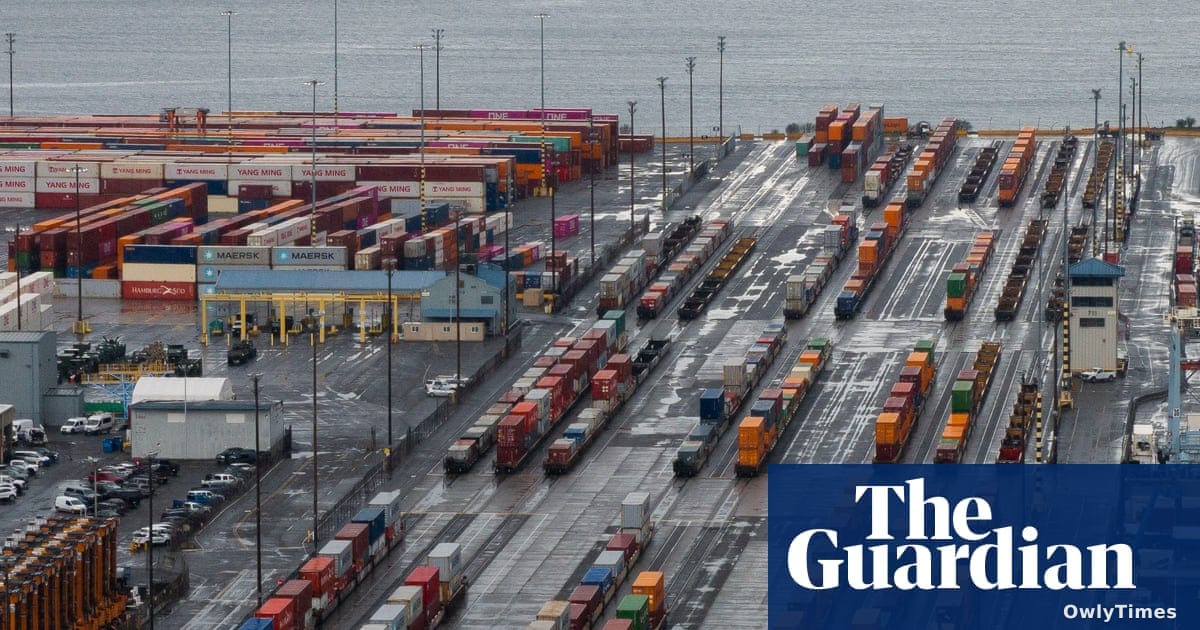

45 vessels successfully transited the Strait of Hormuz on Wednesday, a figure that highlights the fragile recovery of a vital shipping artery that carries approximately one-fifth of the world’s oil and gas, according to data from MarineTraffic. While this volume marks a recovery from the near-total paralysis seen at the height of the conflict, it remains significantly lower than the roughly 130 daily crossings recorded before the U.S.-Israel war on Iran began on February 28.
The relative calm in the waterway is currently being tested by a new round of geopolitical brinkmanship. On Thursday, Iran’s Khatam al-Anbiya Central Headquarters issued a formal threat, warning that any vessel failing to adhere to Iranian-designated navigation protocols would face an “immediate and forceful response,” as reported by Al Jazeera and The Independent. This posture stands in direct opposition to U.S. efforts to secure the lane; Al Jazeera notes that U.S. Central Command (CENTCOM) convened a security dialogue in Bahrain just one day earlier to emphasize the “free flow of commerce.”
Follow the money: the central friction point for investors is the potential monetization of the strait. While a June 17 Memorandum of Understanding (MoU) between the U.S. and Iran mandates 60 days of toll-free transit to facilitate peace negotiations, reports indicate that Iran and Oman have presented proposals to administer the waterway through a fee-based system. NBC News cites four sources confirming that the plan includes joint administrative fees, though Omani Foreign Minister Sayyid Badr bin Hamad Al Busaidi has publicly distinguished between mandatory tolls—which he claims Oman does not support—and voluntary service charges akin to those in the Strait of Malacca.
The legality of these potential charges remains a flashpoint. CBS News reports that while Iran has floated the idea of insurance policies or transit fees, the U.S. State Department maintains a firm stance against them. Secretary of State Marco Rubio told reporters last week that international law prohibits tolls on such waterways, a position echoed by White House spokesperson Anna Kelly, who stated that President Donald Trump has been clear that Iran “cannot toll the Strait.”
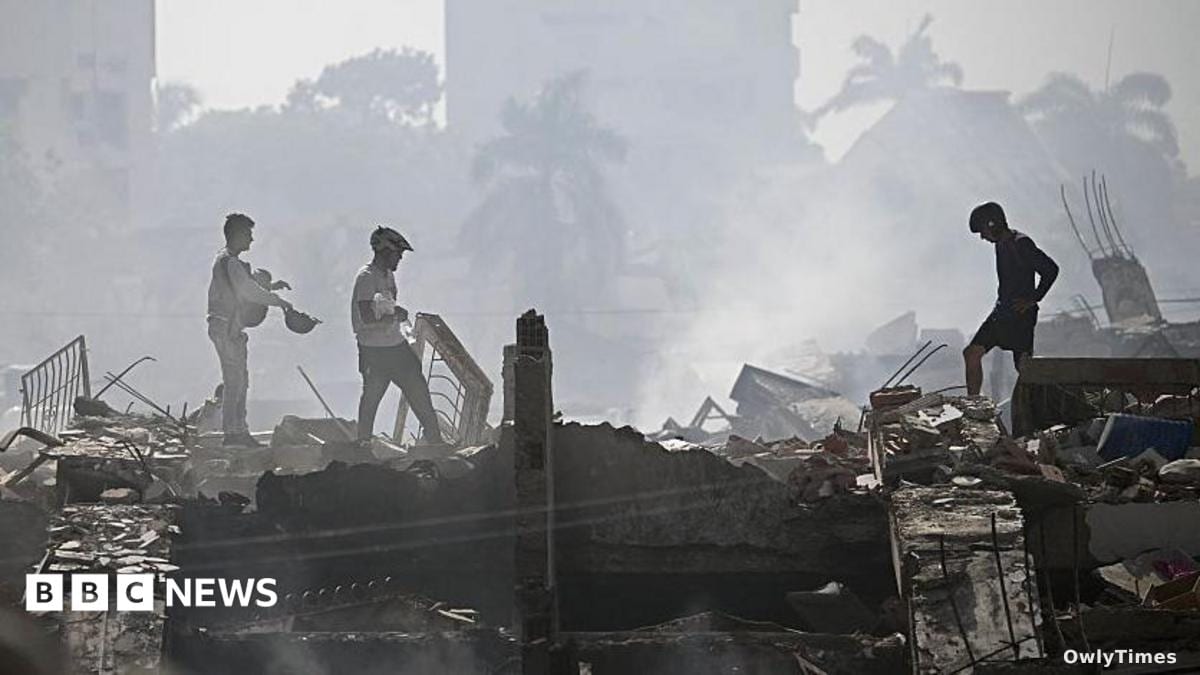
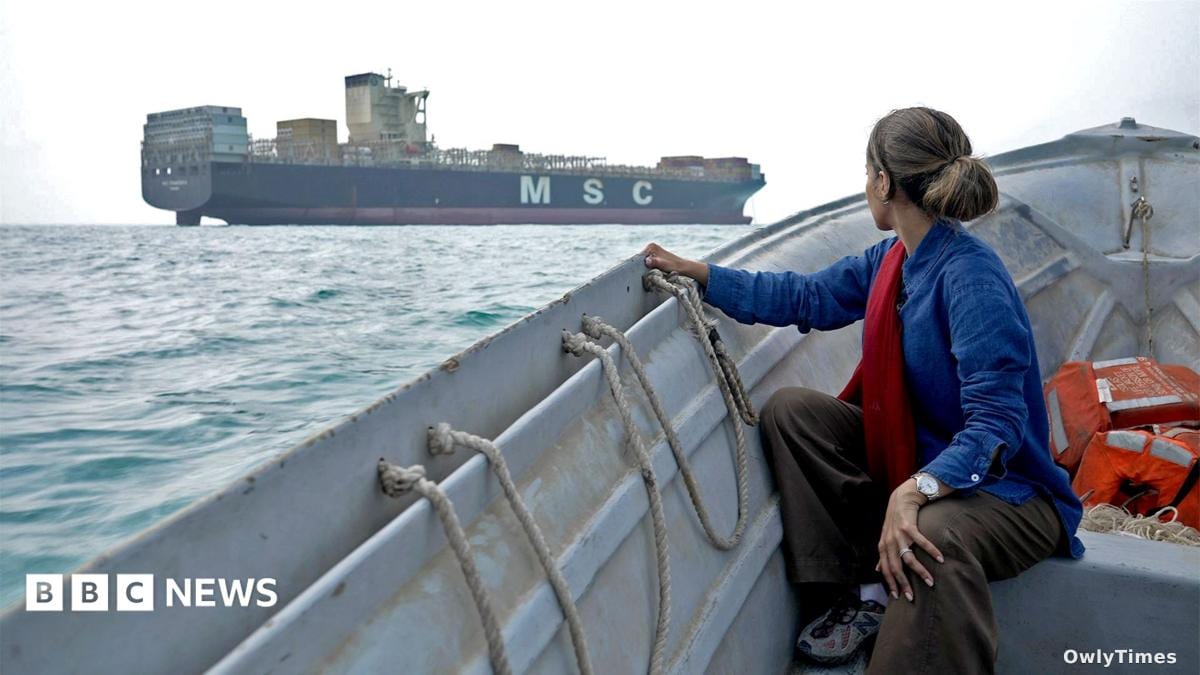
The human and physical toll of the conflict remains visible on the ground. Reporting from Bandar Abbas, the BBC notes that the city—home to Iran’s Navy and the Islamic Revolutionary Guards Corps (IRGC)—is still reeling from the violence. On March 26, an Israeli strike destroyed an apartment block on Khushnoodi Street, killing three people. The BBC cites the Red Crescent in reporting that 261 people have been killed in Hormuzgan province since the conflict began. Meanwhile, the IRGC continues to hold two commercial vessels, the MSC Francesca and the Epaminondas, which were seized in April.
For investors and the energy market, the immediate trigger is the expiration of the 60-day window established by the June 17 MoU. As CBS News analyst Ali Vaez suggests, there is an inverse correlation between Tehran’s ability to secure sanctions relief and its desire to extract revenue from the strait. If the U.S. provides access to frozen funds, the pressure to implement transit fees may diminish. However, with Iranian officials dismissing CENTCOM’s authority, the stability of your energy costs in the coming weeks hinges entirely on whether these indirect negotiations in Qatar translate into a long-term framework or return to the volatility of early spring.