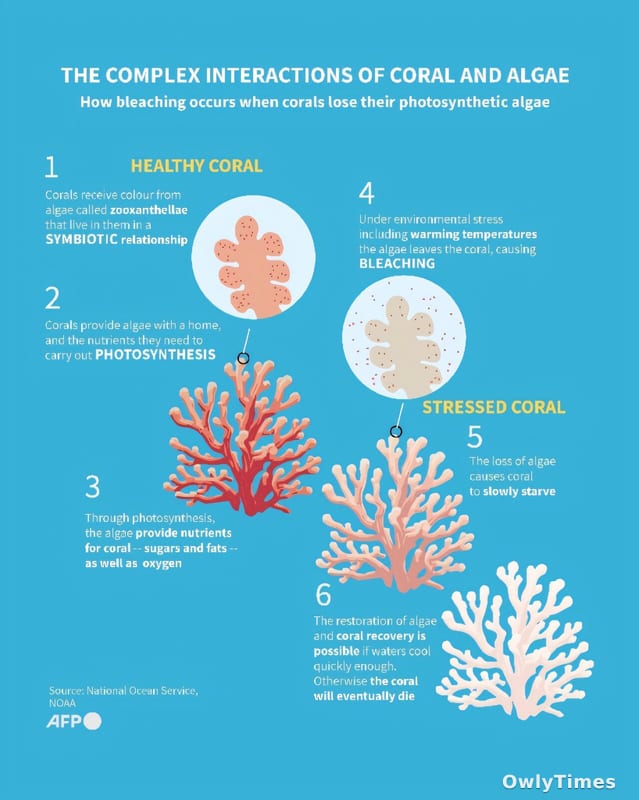

The biological machinery of a coral reef is built upon a delicate, symbiotic partnership. Corals provide a structural home, and in exchange, photosynthetic algae reside within their tissues, fueling the host with essential nutrients. However, when ocean temperatures climb, this partnership fractures. The algae are expelled, leaving behind a stark, ghostly white skeleton. While localized bleaching has long been a natural occurrence, the scientific community is now bracing for a potential catastrophe: the arrival of a powerful El Niño weather system that threatens to push already stressed ecosystems past the point of no return.
The Cumulative Cost of Thermal Stress
The concern among marine biologists is rooted in the frequency of these heat-driven events. Clint Oakley, a coral scientist at Victoria University of Wellington, notes that every global coral bleaching event on record has occurred during an El Niño year—a cyclical phenomenon appearing every two to seven years that disrupts global weather patterns. The headlines regarding this cycle often focus on the spectacle of temperature shifts, but the underlying biological reality is far more precarious.
The true danger lies in the recovery window. Corals require time to regain their algae and rebuild energy stores before they can reproduce. As Jen Matthews, a coral scientist at the University of Technology Sydney, explains, if the heat is too extreme or persists for too long, the coral cannot survive on its remaining food stores. They essentially starve. Oakley emphasizes that when bleaching events occur in rapid succession, the reef is denied the opportunity to produce juveniles, leading to a relentless downward trajectory.
Distinguishing Localized Cycles from Global Collapse
Public discourse frequently conflates isolated bleaching with systemic collapse, but the data suggests a much more grim, cumulative toll. The last global mass bleaching event was declared in 2024. The impact was immediate and measurable; for instance, the Great Barrier Reef lost between 15% and 40% of its coral cover in various locations between 2024 and 2025. In the Caribbean, some specific coral types have reached a state of being "functionally extinct."
It is vital to understand that current sea temperatures are rising from a baseline that is already hostile. According to Oakley, the average sea temperature for the last few years has reached the same levels seen during the peak of the 1998 global bleaching event. While some resilient coral species exist, they are currently unable to compensate for the massive, widespread losses seen across the globe. Estimates suggest that up to 50% of the world’s coral has been lost in recent decades, compromising essential nurseries for fish and natural barriers that protect coastlines from storm surges.
The Limits of Human Intervention
The scientific response has been one of innovation tempered by profound caution. Researchers are currently testing various interventions, including the application of nutritional gels to support struggling corals, as well as genetic engineering and shading techniques. Matthews is clear about the scope of these efforts: while these strategies are important, they are fundamentally "buying time."
The limitations of our current predictive models must also be acknowledged. Kimberley Reid, a research fellow in atmospheric sciences at the University of Melbourne, cautions that while an El Niño is likely, its specific intensity and duration remain uncertain. Other variables, such as local wind patterns and ocean temperatures across the Indian Ocean, play significant roles in the final outcome.
As we look toward the next seasonal shift, the primary metric for tracking this crisis will be the sustained temperature readings of the world’s oceans. These measurements will ultimately dictate whether the current reefs can persist or if, as Matthews warns, we are simply witnessing a countdown until these ecosystems disappear as we know them.