
Can a single sailing yacht and a team of divers fundamentally rewrite the geopolitical map of Europe? While the world has spent years debating the "who" behind the 2022 Nord Stream explosions, the real story here isn't just the tactical sabotage of an underwater pipe—it’s the collision of state-sanctioned military operations with the vulnerability of global energy infrastructure.
German federal prosecutors have now formally charged a former Ukrainian army officer, identified by The Guardian as Serhiy Kuznietsov (referred to as Serhii K. by ABC News), with orchestrating the destruction of the pipelines on September 26, 2022. The indictment alleges that Kuznietsov, acting on the orders of Ukrainian state authorities, led a team of seven accomplices to the Baltic Sea to cripple a system that once supplied roughly half of Germany’s annual natural gas needs.
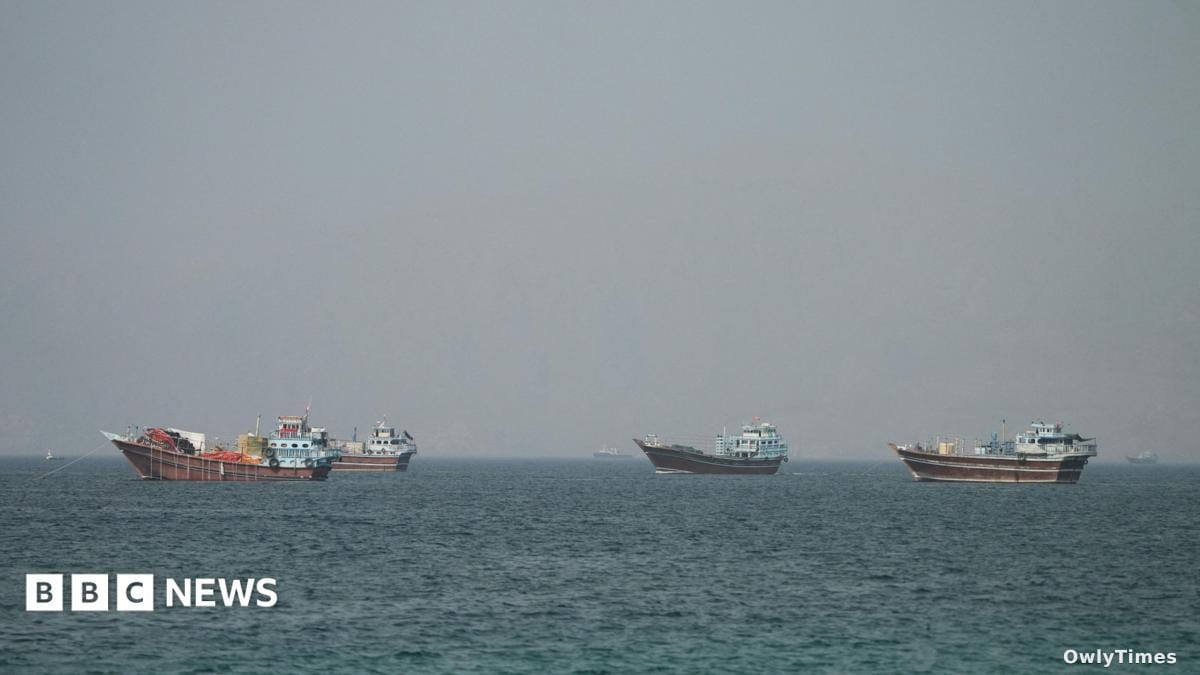
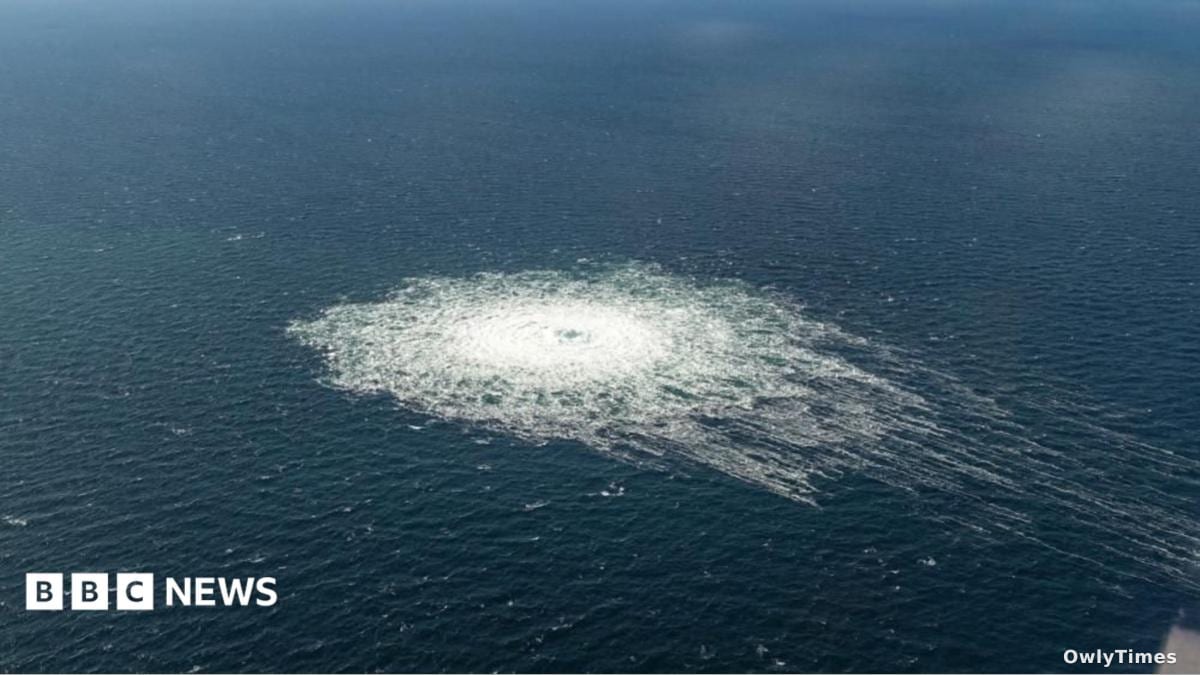
The technical execution of this operation reads like a thriller, yet it relied on remarkably analog methods. According to The Guardian and ABC News, the team chartered a vessel from the German port of Rostock using forged IDs. They then navigated to a site near the Danish island of Bornholm, where they reportedly affixed explosive devices with timers to the seabed infrastructure. The resulting blasts ruptured three of the four lines, releasing record-breaking amounts of methane into the Baltic Sea, as noted by the BBC.
While the details of the yacht and the explosives are now part of the public record, the legal characterization of the event remains a point of significant scrutiny. Prosecutors have leveled charges that include causing an explosion and destroying infrastructure, but they have also elevated the case by including charges of "war crimes" for attacking civilian objects. As The Guardian points out, this specific charge carries a minimum prison sentence of three years under German law.
There is a slight friction in how the suspect's capture is framed: while ABC News highlights that the suspect was apprehended in an Italian village bungalow and surrendered without resistance, the BBC adds the critical context that a second Ukrainian suspect was detained separately near Warsaw, Poland, on a related warrant. This suggests that the German investigation, which has moved from initial theories involving Russia or the U.S. to a focus on Kyiv, is looking at a much wider network than a single boat crew.
For the average user, the takeaway is stark: critical infrastructure—the kind that heats homes and powers industries—is astonishingly fragile when faced with determined actors using off-the-shelf technology. We tend to view energy security as a matter of policy and trade agreements, but the Nord Stream incident proves it is also a matter of physical defense against unconventional threats.
The diplomatic fallout is only beginning. With Ukrainian President Volodymyr Zelenskyy stating, as reported by The Guardian, that he has yet to receive full details of the indictment, the tension between Berlin and its largest military partner is palpable. We should expect the political temperature to rise significantly this autumn; the case is slated for trial in Hamburg, a process that will likely be weaponized by the Alternative für Deutschland party in the lead-up to the September elections.