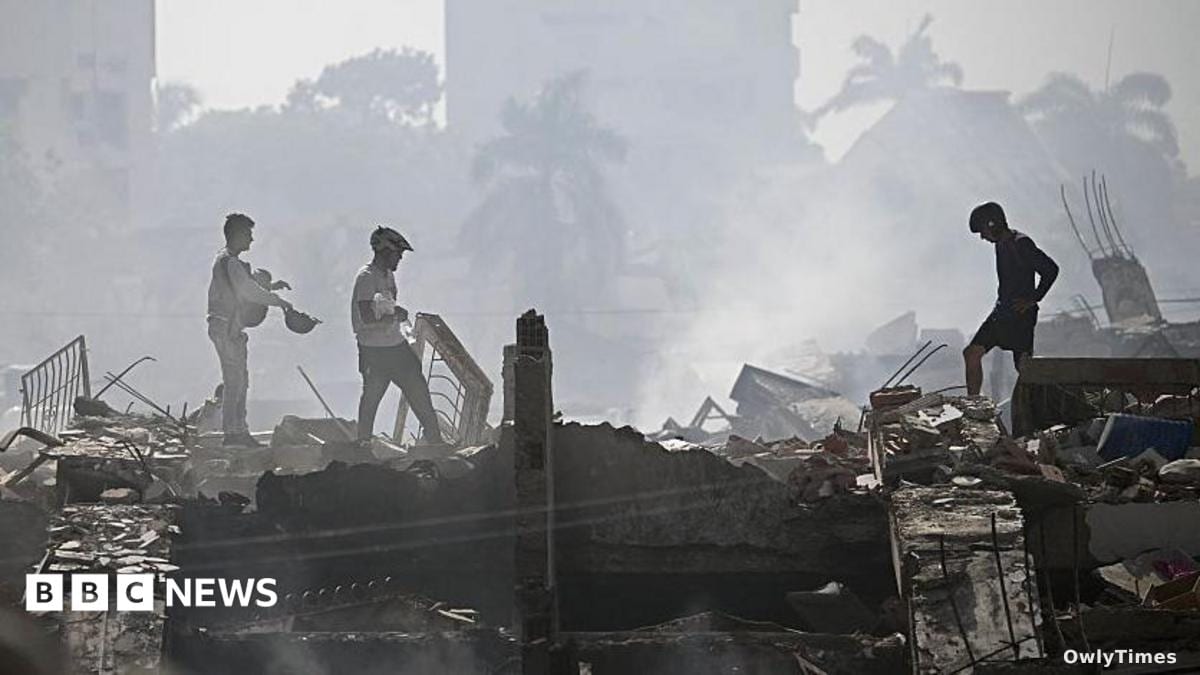

Is our digital-first world actually becoming more fragile, or are we just finally getting a front-row seat to the collision between high-precision warfare and the infrastructure of everyday life?
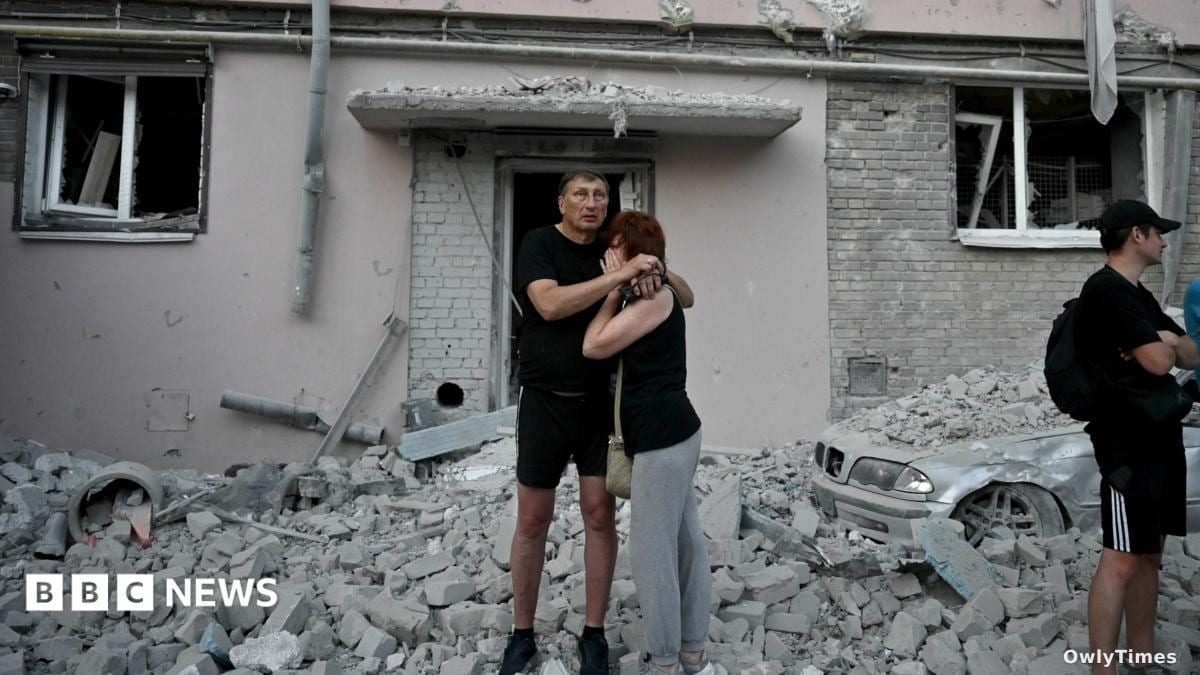
The real story here isn't just the tactical escalation in Kyiv — it’s the terrifying efficiency with which modern, automated weapons systems can bypass national defenses to target the mundane reality of an apartment complex or an ambulance station. On Thursday, following an overnight barrage that saw 74 missiles and 496 drones launched at Ukraine, the human cost was stark: at least 13 people were killed and dozens injured, according to reports from the BBC, The Guardian, and Al Jazeera.
The Math of Modern Defense
While Ukrainian air defenses managed to intercept a significant portion of the incoming hardware, the sheer volume of the strike overwhelmed traditional mitigation strategies. The Ukrainian Air Force confirmed that while 48 missiles and 476 drones were neutralized, 25 ballistic missiles and 12 drones successfully struck 33 distinct locations.
Think of this like a DDoS attack on a city’s physical security: the system is designed to handle a steady flow of threats, but when a massive, synchronized wave hits simultaneously, the "buffer" of air defense inevitably overflows. Al Jazeera notes that while Ukraine has become adept at handling drone swarms, their "Achilles heel" remains the high-velocity ballistic threats that caused the most catastrophic structural damage, including the partial collapse of an apartment building where the first to sixth floors were hit.
From Intelligence to Impact
The strike did not arrive as a surprise. President Volodymyr Zelenskyy had preemptively cut short a diplomatic visit to Dublin, warning of intelligence suggesting an imminent, massive assault. The BBC reports that Zelenskyy’s warning underscored a grim reality: when your enemy has the capability to monitor your infrastructure from a distance, the "warning" period is often just a countdown to inevitable destruction.
The casualty figures continue to evolve as rescue operations persist. While the BBC notes more than 30 people were injured, The Guardian and Al Jazeera provide a more granular, albeit higher, count, noting that emergency services recorded 86 injured, with 70 individuals hospitalized.
A City Under Siege
For the average resident in Kyiv, the night was defined by the sound of interception and the subsequent, violent impact of strikes. Al Jazeera reported that residents sought refuge in subway stations, carrying sleeping mats to wait out the barrage. Mayor Vitali Klitschko has since announced a day of mourning for Friday, with flags to be lowered across the city as a reminder that the conflict’s "stall" on the front lines is a myth for those living in urban centers.
What Comes Next
The immediate trigger to watch is the upcoming NATO conference. President Zelenskyy is expected to pivot from these strikes to an urgent request for Pac-2 and Pac-3 American-made interceptor missiles. As noted by Al Jazeera, these systems represent the only currently viable tech solution to counter ballistic missiles traveling faster than the speed of sound. If those supply lines don't move, the next "massive strike" will likely yield even higher casualty numbers as the gap between offensive missile tech and defensive interceptors continues to widen.