
The calculated restraint displayed by Keir Starmer’s government in the wake of escalating conflict in the Middle East isn’t a deviation from the “special relationship” with the United States, as Donald Trump alleges, but a deliberate recalibration of British strategic interests. While publicly framing decisions as upholding international law and avoiding the pitfalls of past interventions, the UK’s measured response – initially declining direct participation in strikes against Iran, then authorizing the use of British bases for defensive action – reveals a prioritization of mitigating immediate risk to British citizens and assets, even at the cost of transatlantic friction. This isn’t simply about legal niceties; it’s about acknowledging a shifting geopolitical landscape where the automatic alignment with US foreign policy carries increasingly substantial, and potentially unmanageable, costs.
The immediate impetus for this positioning is clear: the 130,000 British citizens registered in the Gulf region, as highlighted by Yvette Cooper, represent a significant political liability. The dispatch of a charter flight from Oman, prioritizing vulnerable nationals, and the consideration of deploying the HMS Duncan to Cyprus to defend RAF Akrotiri – a base demonstrably vulnerable to drone attacks, as evidenced by the recent incident involving a Hezbollah-linked drone – are not acts of solidarity, but of damage control. The UK is acting to secure its own nationals and protect critical infrastructure, a pragmatic calculation that supersedes the optics of unwavering alliance. Who benefits? Primarily, British citizens in the region and the government’s political standing at home. Who loses? The appearance of seamless US-UK coordination, and potentially, leverage within the Biden administration.
Based on the original The Guardian report.
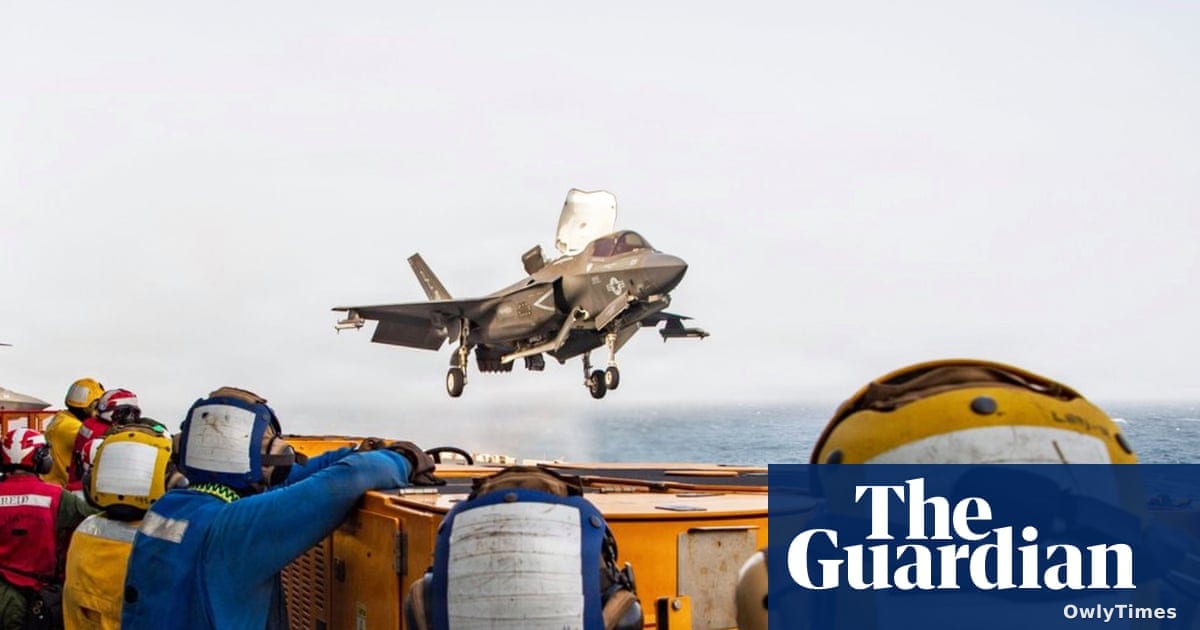
This cautious approach echoes a historical pattern. The Suez Crisis of 1956 serves as a potent, if uncomfortable, precedent. Then, as now, Britain found itself caught between the demands of a powerful ally – the US – and the realities of its own limited power and strategic vulnerabilities. The disastrous outcome of Suez forced a reassessment of Britain’s global role, a humbling experience that shaped its foreign policy for decades. While the current situation is distinct, the underlying dynamic – a reluctance to be drawn into a conflict that doesn’t directly serve British interests – is strikingly similar. John Healey’s consideration of deploying HMS Duncan, specializing in counter-drone operations, isn’t a show of force, but a targeted response to a specific threat, a far cry from the broad-spectrum military engagement favored by Washington. The fact that no major Navy warships are currently positioned in the Middle East underscores this deliberate restraint.
The parallel domestic political currents further complicate the calculus. The surge in support for the Green party, overtaking Labour in the latest YouGov poll, signals a growing public appetite for a less interventionist foreign policy. Ellie Chowns’s tabling of an “Armed Conflict (Requirements) Bill” demanding parliamentary approval for military intervention underscores this pressure. While Keir Starmer insists the UK is not at war, the very need to articulate this point reveals the sensitivity of the issue. The government is navigating a narrow path, attempting to balance its alliance commitments with domestic political realities and a growing awareness of the potential for escalation. The pointed questioning from Andy McDonald regarding the disparity in response to Israeli actions versus Russian aggression highlights the internal tensions within the Labour party and the broader public discourse.
The most immediate political chess move to watch isn’t further military deployment, but Rachel Reeves’s spring statement. The claim of having “rebuilt the country’s public finances” to withstand economic shocks will be rigorously tested by the market reaction to the ongoing conflict. The potential for soaring energy prices, as a result of disruption to production and supplies, poses a direct threat to her economic projections. But beyond the economic implications, the statement will be scrutinized for any indication of how the government intends to balance its commitment to Ukraine – evidenced by the recent £300m sanctions package against Russia – with its reluctance to be drawn into a wider conflict in the Middle East. Will Reeves signal a willingness to absorb economic costs to maintain a robust defense posture, or will she prioritize fiscal stability, potentially at the expense of geopolitical influence? The answer will reveal the true extent of Britain’s strategic recalibration.