
Is your gas tank feeling lighter, and your wallet even lighter still? Everyone’s focused on the geopolitical implications of escalating conflict in the Middle East, the potential for a wider war, and the diplomatic tightrope the Trump administration is attempting to walk. The real story here isn't the headlines about Iran and Israel – it’s the very real, very immediate pinch at the pump, and the economic and political fallout that’s about to ripple through the US. On Sunday, oil surged past $100 a barrel, a threshold not breached since Russia’s 2022 invasion of Ukraine, and the consequences are already being felt.
The Strait of Hormuz: A Global Economic Chokepoint
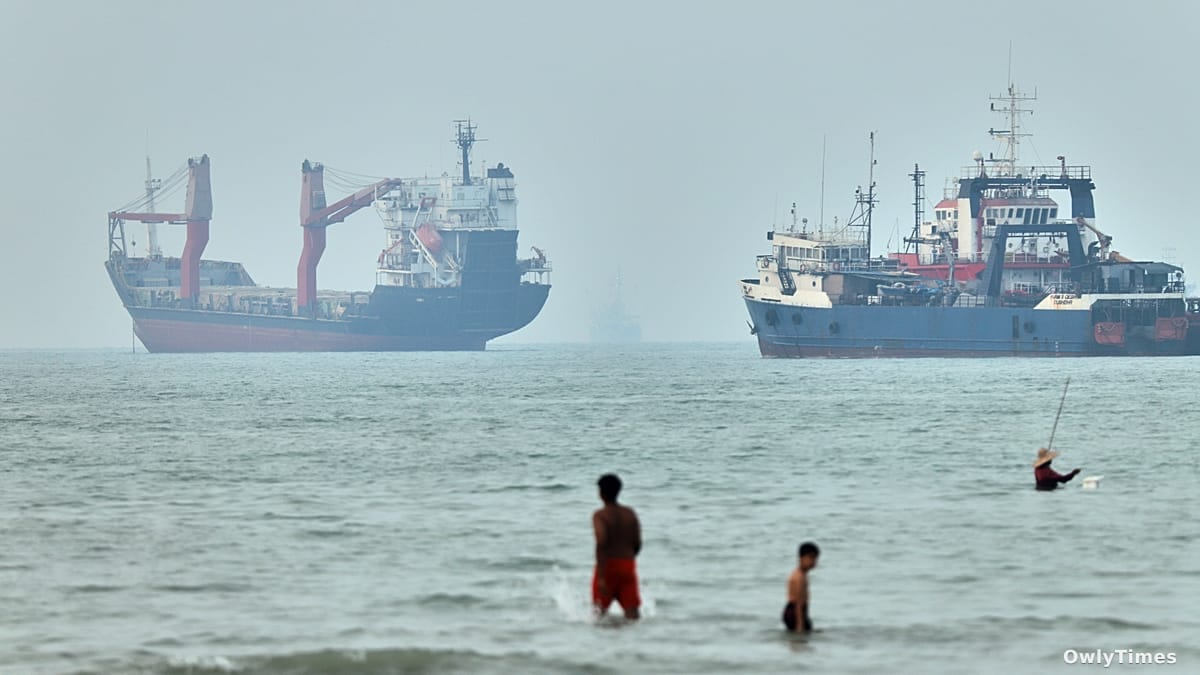
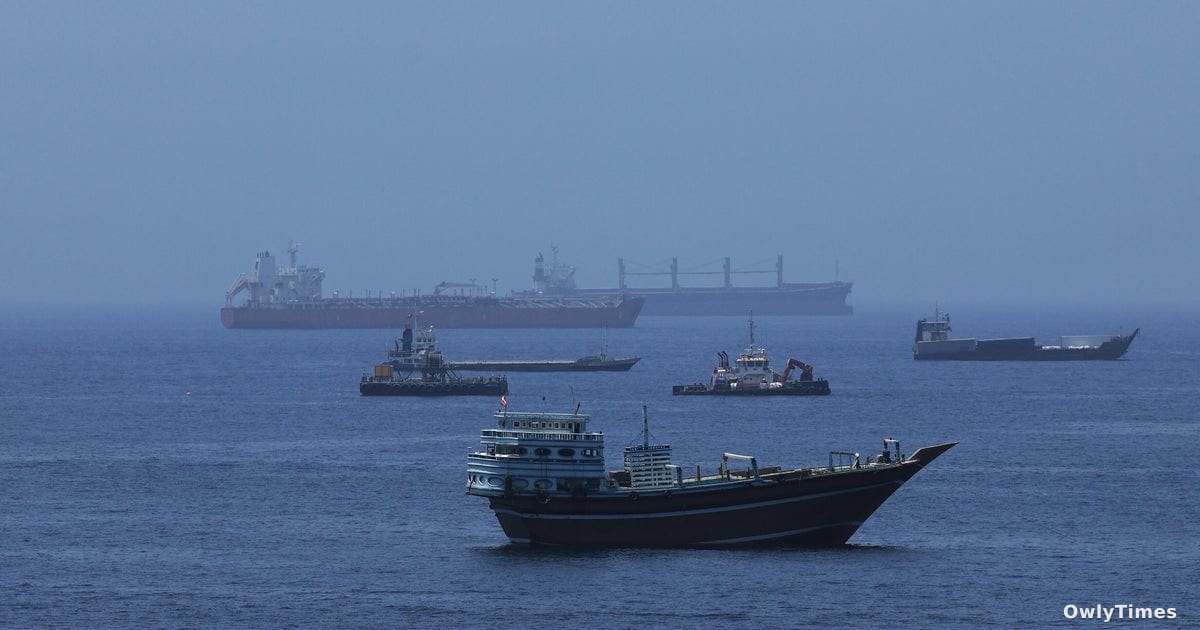
The immediate trigger is, of course, the expanding conflict involving Iran. Attacks on refineries and the explicit threat to target oil tankers traversing the Strait of Hormuz – a waterway handling 20% of the world’s oil supply – have sent markets into a frenzy. Think of the Strait of Hormuz like a garden hose with a kink. Even a partial blockage dramatically reduces the flow, and that’s precisely what’s happening. US oil futures jumped 18% to $108 a barrel, while the global benchmark, Brent crude, climbed 16%, nearing $108. These aren’t abstract numbers for Wall Street traders; they translate directly into higher costs for everything that relies on oil – which, let’s be honest, is everything.
Original reporting: CNN.
From Futures to Forecourts: The Speed of the Price Hike
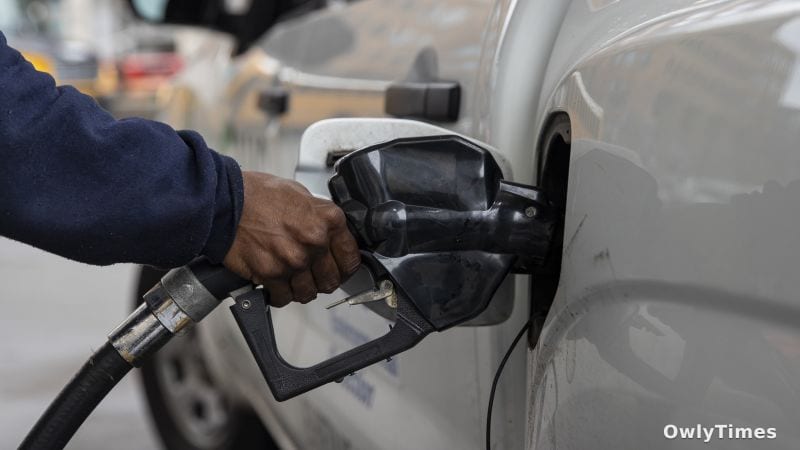
The speed of the price increase is particularly alarming. According to AAA, the average US gasoline price hit $3.45 a gallon on Sunday, a 16% leap from just the week before. That’s a significant jump, especially for lower-income households already struggling with inflation. To put that in perspective, a 16% increase on your weekly grocery bill would be immediately noticeable. Yet, we often treat gas prices as a detached economic indicator, failing to grasp the cumulative impact on everyday budgets. The Dow futures plummeted over 800 points, and the S&P 500 and Nasdaq followed suit, reflecting investor fears of a renewed inflationary spiral. It’s a classic feedback loop: higher energy costs fuel inflation, which prompts the Federal Reserve to raise interest rates, potentially slowing economic growth.
Political Pressure as Oil Reserves Dwindle
The timing couldn’t be worse for President Trump and the Republican party, facing crucial midterm elections this year. A sustained spike in energy prices is a political liability, and the administration’s attempts to downplay the situation – Trump calling it a “little glitch” and an “expected detour” – ring hollow. The proposed solutions, like insurance for tankers and potential naval escorts, feel reactive and insufficient. Shipping companies are already hesitant to risk their vessels in the region, and a vague promise of protection isn’t likely to change that. Adding to the complexity, Iran’s oil storage sites have been struck, and producers are reducing output due to a lack of storage capacity. This isn’t simply about supply and demand; it’s about a system under immense strain. Energy Secretary Chris Wright stated the US doesn’t plan to strike Iranian oil infrastructure, but the existing sanctions and reliance on China as Iran’s primary buyer limit the effectiveness of any US intervention.
Beyond the Barrel: The Ripple Effect on Consumers
This isn’t just about filling up your car. Higher fuel costs impact transportation, increasing the price of goods across the board. Expect to see those costs passed on to consumers, further exacerbating affordability issues. The narrative often focuses on the “macro” economic consequences, but the real impact is felt in the grocery store, at the gas station, and in the monthly budget of millions of Americans. The administration’s attempts to reassure the public feel increasingly detached from the reality on the ground. The situation is further complicated by the fact that the US Strategic Petroleum Reserve is already depleted from previous interventions, limiting the administration’s ability to quickly offset supply disruptions.
Looking ahead, watch closely for whether shipping companies begin to significantly divert routes around the Cape of Good Hope, adding weeks and substantial costs to oil shipments. If that happens, $3.45 a gallon will quickly become a distant memory, and the political fallout will be far more than a “little glitch.” The question isn’t if prices will rise further, but how quickly and how much – and whether the administration can offer a credible solution beyond optimistic pronouncements.