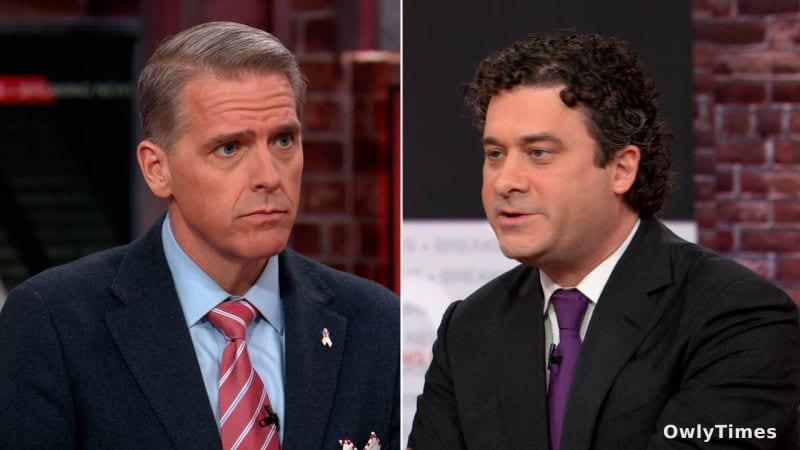

The escalating tensions with Iran aren’t simply about preventing nuclear proliferation; they represent a calculated risk by the Trump administration to exploit a fractured political landscape both domestically and within the Middle East. The recent strikes, and the subsequent debate – as highlighted by the NewsNight panel featuring Scott Jennings and Josh Rogin – aren’t a departure from established geopolitical strategy, but a refinement of it, leveraging the fatigue with prolonged conflict to justify a limited, demonstrative show of force. This isn’t a spontaneous escalation, but a deliberate maneuver to recalibrate American leverage in a region increasingly influenced by actors beyond its control.
The core contradiction at play is this: President Trump’s stated goal of preventing Iran from acquiring nuclear capabilities and ballistic missiles enjoys broad public support, as Jennings points out. Yet, the method – direct military engagement – risks reigniting the very anxieties his base sought to escape with his “America First” platform. Rogin correctly identifies this internal tension, noting the reluctance within Trump’s core constituency for another protracted Middle Eastern entanglement. This isn’t a new dynamic; throughout American history, presidents have navigated the gap between popular foreign policy objectives and the appetite for the means to achieve them. Consider the Gulf of Tonkin Resolution in 1964: public support for containing communism in Southeast Asia was high, but the escalating war in Vietnam quickly eroded that consensus. Trump is attempting to thread a narrower needle, projecting strength without committing to open-ended occupation.
Source material: CNN.
Who benefits and who loses from this calculated escalation? Israel stands to gain, as a more assertive US stance against Iran aligns with its long-held security concerns. Saudi Arabia, evidenced by the recent drone strike on its embassy, is simultaneously a beneficiary of US protection and a potential target of Iranian retaliation, creating a complex dependency. Within the US, defense contractors are poised to profit from increased military spending, while the American public bears the economic and potential human cost. The biggest loser, potentially, is the already fragile diplomatic framework surrounding Iran’s nuclear program. The Joint Comprehensive Plan of Action (JCPOA), already weakened by the US withdrawal in 2018, is now further imperiled, increasing the likelihood of a regional arms race. This echoes the pre-2003 Iraq War period, where diplomatic avenues were sidelined in favor of military action based on contested intelligence.
The timing of this escalation is also crucial. It coincides with domestic political pressures, including Hillary Clinton’s recent testimony before Congress regarding the Epstein investigation and the ongoing Texas Senate primary. The focus on foreign policy serves as a distraction from internal controversies and allows Trump to project an image of decisive leadership. The parallel to Bill Clinton’s 1998 airstrikes against Sudan and Afghanistan, launched during the height of the Lewinsky scandal, is striking. Both instances demonstrate a willingness to use military force to deflect from domestic political vulnerabilities. Furthermore, the unexpected meeting between Trump and Mamdani – details of which remain opaque – suggests a parallel diplomatic track is being pursued, potentially involving regional actors not traditionally aligned with US interests.
The political chess move to watch next isn’t another military strike, but the reaction within the Republican party to a potential war powers resolution, as called for by Jeffries. Will Republicans, traditionally hawkish on foreign policy, coalesce around Trump’s actions, or will a faction emerge demanding greater congressional oversight? The answer to that question will reveal the true extent of Trump’s control over his party and the future trajectory of US policy in the Middle East. The coming weeks will determine whether this is a strategic recalibration or the opening salvo in a wider, and far more dangerous, conflict.