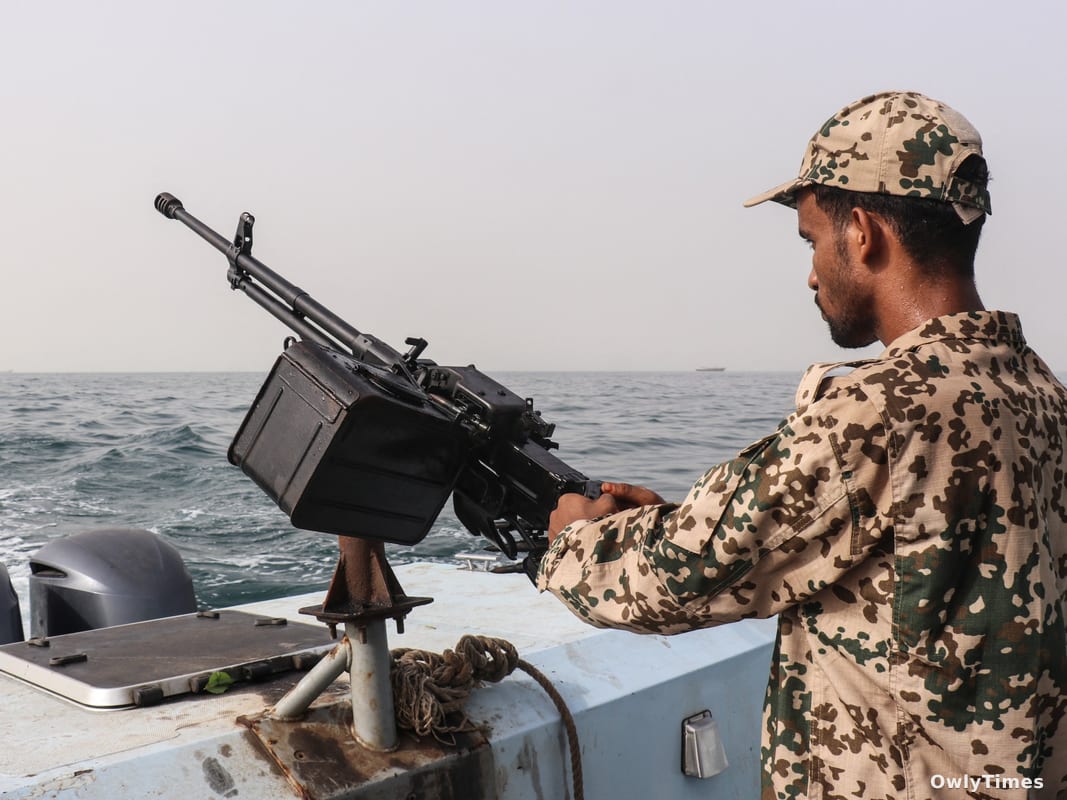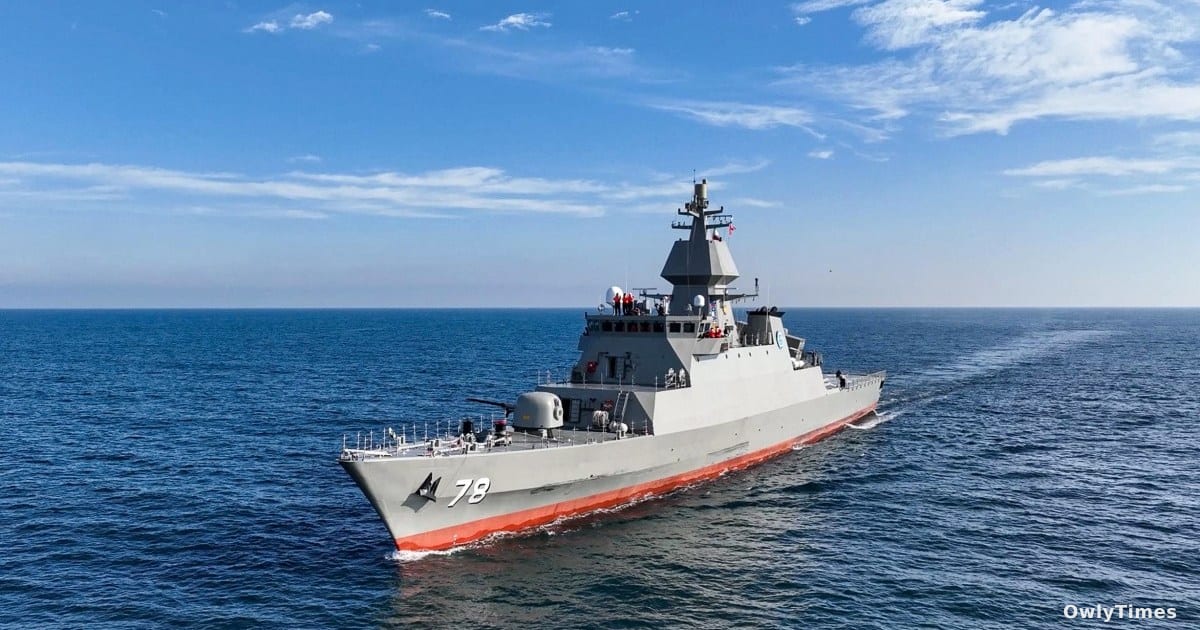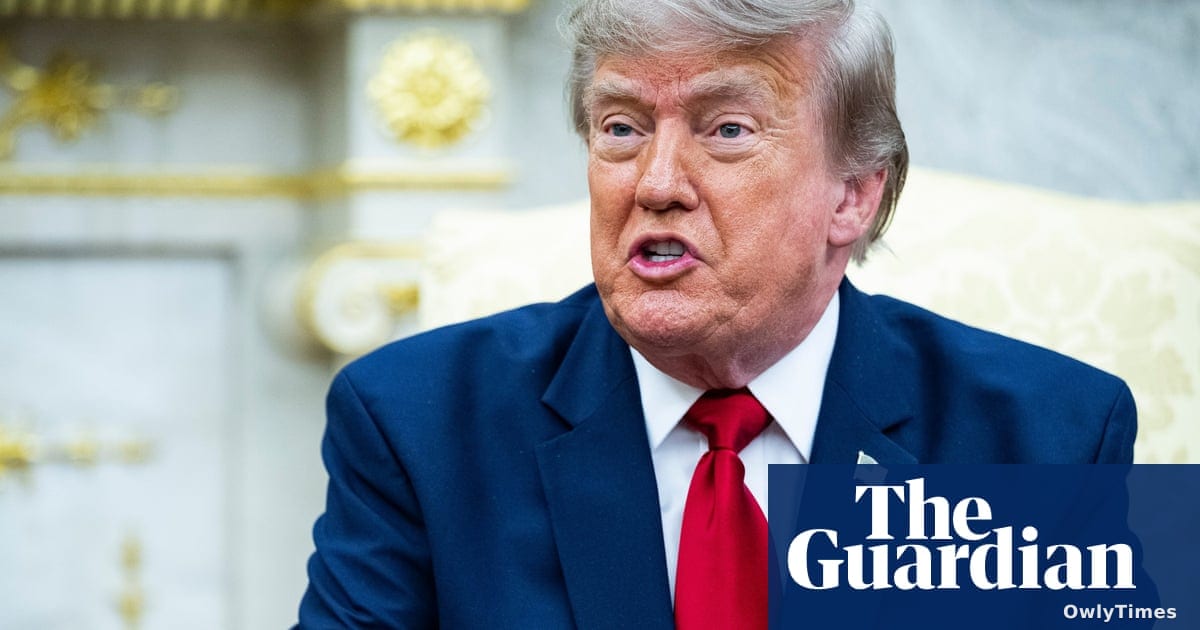

The calculated ambiguity surrounding President Trump’s pronouncements on “winding down” military efforts in the Middle East isn’t a sign of de-escalation, but a strategic maneuver to create leverage as the conflict enters its fourth week. While publicly suggesting an exit strategy, the administration is simultaneously deepening military engagement – deploying Marines, utilizing advanced aircraft like Apache helicopters and A-10 Warthogs, and reportedly striking 8,000 Iranian targets – all while temporarily lifting sanctions on Iranian oil. This isn’t a contradiction; it’s a pressure campaign designed to force a specific outcome, likely centered on securing a long-term commitment to regional stability on terms favorable to the U.S. and its allies.
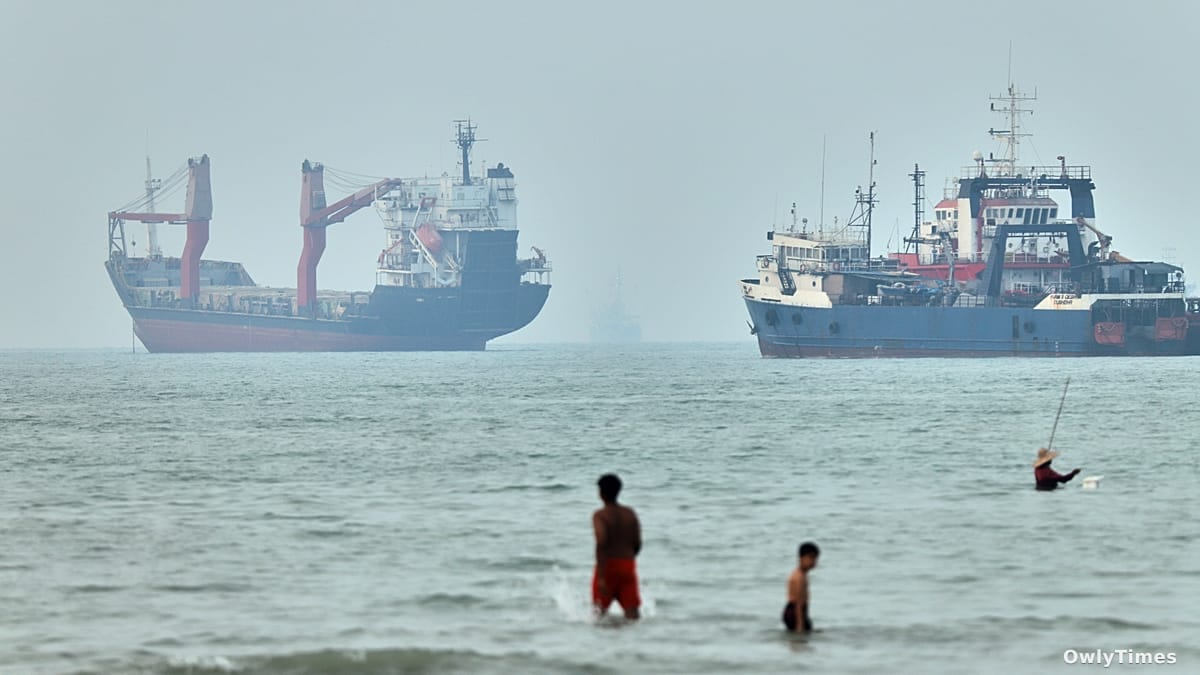
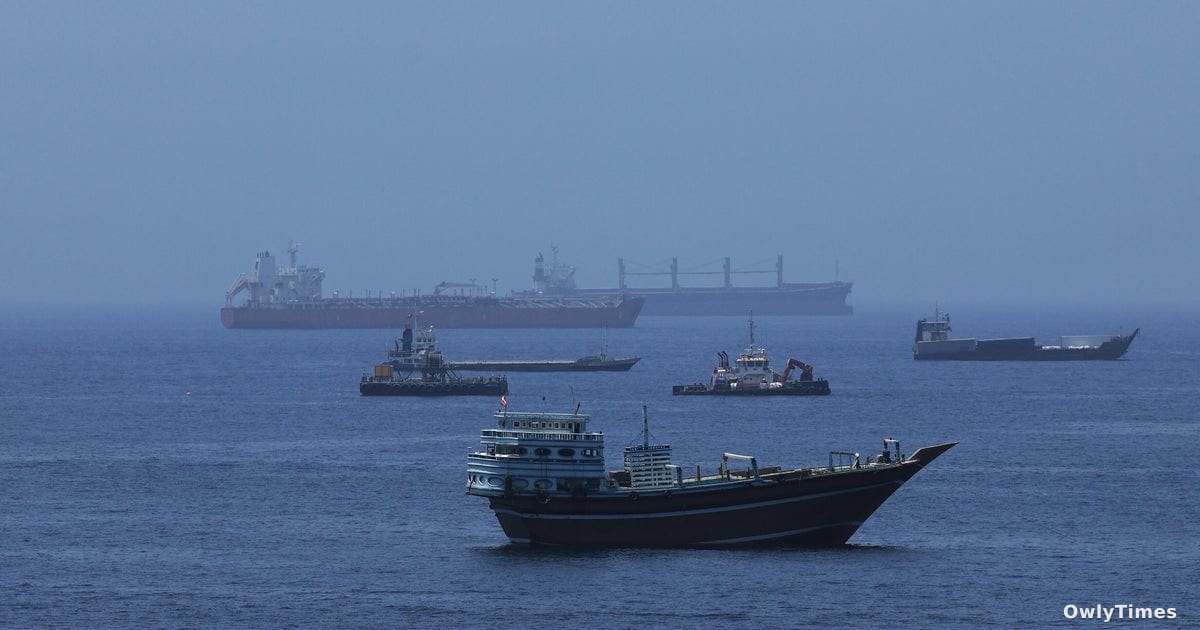
The immediate trigger for this complex strategy is the disruption to global oil markets. With over 3,000 vessels effectively stranded in the Persian Gulf due to the near-total halt of traffic through the Strait of Hormuz, the world faces a potential energy crisis. The International Maritime Organization’s assessment underscores the severity: a massive logistical bottleneck threatening a fifth of the world’s oil and liquefied natural gas supply. Lifting sanctions on approximately 140 million barrels of Iranian oil, as announced by Treasury Secretary Scott Bessent, isn’t altruistic; it’s a calculated attempt to stabilize prices and mitigate the economic fallout, primarily for the U.S. domestic market where gasoline prices have already risen 45% since the conflict began. This move, however temporary – lasting until April 19, 2026 – demonstrates a willingness to engage with the very regime the administration publicly condemns, revealing the primacy of economic concerns.
Who benefits and who loses from this unfolding scenario? Israel clearly benefits from the sustained U.S. military support, evidenced by continued strikes within Tehran itself. The claim of a 90% reduction in Iranian missile and drone attacks, attributed to U.S. and Israeli air defenses, reinforces the narrative of a successful, albeit costly, defensive campaign. Saudi Arabia and other Gulf Arab states also gain from the weakening of Iranian regional influence, a long-standing U.S. objective. Conversely, Iran is the immediate loser, facing significant damage to its military infrastructure and economic lifeline. However, Iran also gains a degree of leverage by demonstrating its ability to disrupt global energy supplies and strike at key strategic assets, as evidenced by the attempted attack on the U.K.-U.S. airbase at Diego Garcia. The U.K., while publicly condemning the attack, is deeply entangled through its shared use of the base and its reliance on stable oil supplies, highlighting the inherent risks of its alliance with the U.S. in the region.
The situation echoes the oil crises of the 1970s, when disruptions to Middle Eastern oil supplies triggered economic recessions and geopolitical realignments. Then, as now, the U.S. sought to balance maintaining access to vital resources with containing regional conflicts. However, the current context is further complicated by the rise of multi-polarity and the increasing influence of actors like Turkey, which has condemned Israeli strikes in Syria and continues to support various factions within the country. Turkey’s position underscores the limits of U.S. influence and the potential for the conflict to escalate beyond a direct confrontation with Iran. The strikes on Syrian command centers and weapons depots, ostensibly to protect the Druze minority, also reveal a pattern of Israeli interventionism that consistently tests the boundaries of regional stability.
This article draws on reporting from NPR.
The deployment of additional U.S. Marines – the USS Boxer group joining the USS Tripoli group – isn’t simply about bolstering military strength. It’s about signaling resolve and preparing for a prolonged engagement. Pete Hegseth’s carefully worded statements at the Pentagon, coupled with Trump’s contradictory messaging, suggest a deliberate strategy of ambiguity. The administration wants to project strength while simultaneously leaving room for diplomatic maneuvering. The temporary lifting of sanctions on Iranian oil, coupled with the continued military pressure, is a high-stakes gamble.
The political chess move to watch next isn’t whether the U.S. will “wind down” its military efforts, but whether President Trump will successfully leverage the current situation to secure a broader regional security architecture – one that guarantees the free flow of oil, contains Iranian influence, and solidifies Israel’s security, potentially at the expense of further destabilizing Syria and alienating key regional players like Turkey. The question is not if a deal will be struck, but on whose terms and at what cost to the long-term stability of the Middle East.