
The calculus behind Iran’s retaliatory strikes isn’t simply about responding to the joint U.S.-Israeli attack; it’s a high-stakes attempt to redefine the boundaries of acceptable conflict and leverage the vulnerabilities of its Arab neighbors. While publicly framing the attacks as targeting U.S. interests, the immediate expansion of the conflict zone to include Gulf Arab states – Saudi Arabia, the United Arab Emirates, Bahrain, Qatar, and Kuwait – reveals a strategic intent to simultaneously deter regional cooperation with the U.S. and compel Washington to de-escalate. This isn’t a symmetrical response; it’s a calculated gamble to exploit a critical weakness in the regional security architecture.
Civilian Infrastructure as Leverage
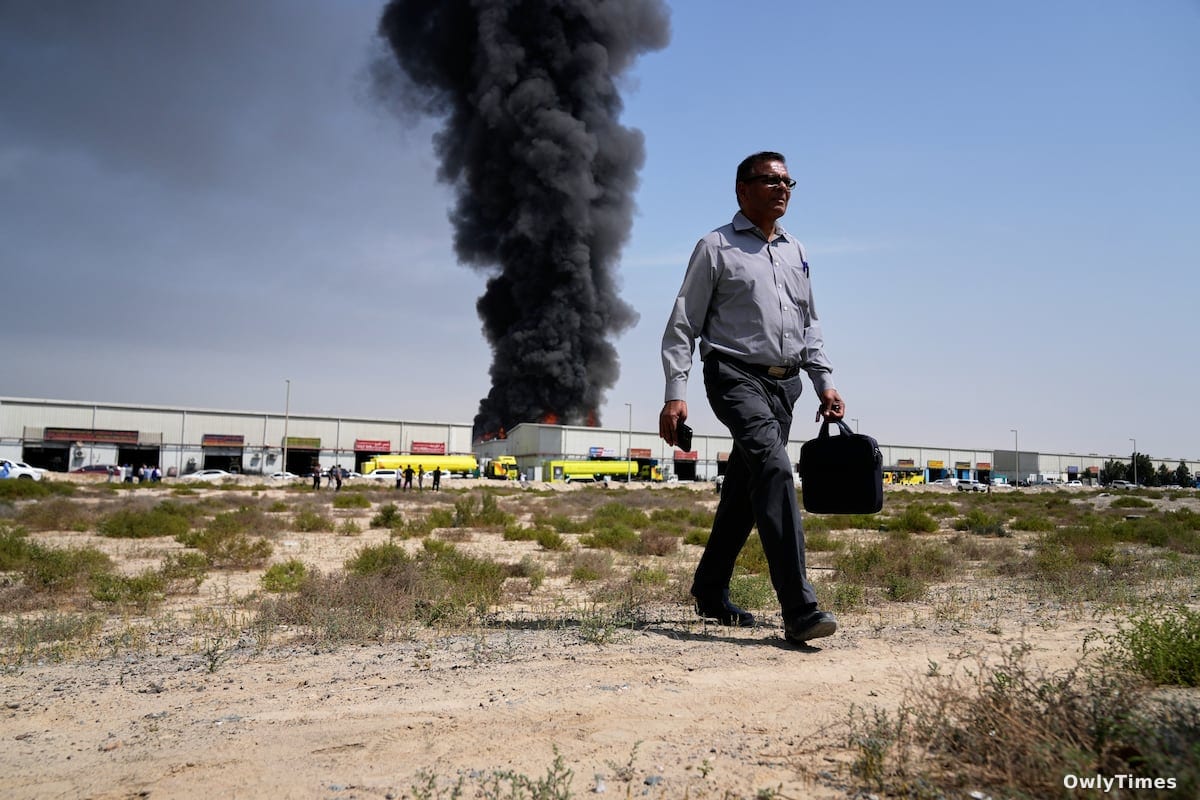
The attacks themselves, commencing Saturday and continuing through Sunday, demonstrate a willingness to inflict damage beyond strictly military targets. At least three civilians have been killed and sixty wounded in the Emirates, with Dubai’s main commercial port and a luxury hotel sustaining significant damage. Similar strikes in Manama hit residential buildings and another luxury hotel, while Doha experienced intercepts over populated areas. International airports across the region are disrupted. This isn’t collateral damage; it’s a deliberate escalation designed to raise the cost of continued U.S. involvement for Gulf Arab states. Iranian Foreign Minister Abbas Araghchi’s assertion to Al Jazeera – that the attacks target American assets, and regional anger should be directed at Israel and the U.S. – rings hollow given the clear civilian impact. The narrative of precision targeting simply doesn’t align with the reality on the ground.
Source material: english.elpais.com.
A Historical Echo of Coercive Diplomacy
This tactic of expanding the conflict’s scope to pressure intermediaries isn’t new. The 1973 oil embargo orchestrated by OPEC, largely driven by Saudi Arabia, serves as a historical precedent. While the context differs – then it was oil as a weapon, now it’s direct military strikes – the underlying principle is the same: leverage economic and security interdependence to influence the behavior of external powers. Iran is attempting to weaponize the Gulf states’ reliance on U.S. security guarantees and their economic ties to the West. The attacks on commercial ports and infrastructure are particularly pointed, threatening regional trade and economic stability. Anwar Gargash, the Emirati President’s diplomatic advisor, correctly identified this as a move towards increasing Iran’s “isolation” and damaging relationships “beyond war.”
Who Benefits and Who Loses?
The immediate losers are, undeniably, the civilian populations of the Gulf Arab states. Beyond the immediate casualties and economic disruption, the attacks erode the sense of security that underpins regional stability. Saudi Arabia, the UAE, Qatar, Kuwait, and Bahrain have uniformly condemned the attacks, affirming their right to self-defense, but their options are limited. They are caught between a powerful, aggressive Iran and a U.S. that, while a security guarantor, is also perceived as having provoked the current crisis.
Iran, despite the international condemnation, benefits from demonstrating its willingness to retaliate and project power. Even if the attacks fail to fundamentally alter U.S. policy, they establish a new, higher threshold for acceptable action against Iranian interests. The U.S., while maintaining its military posture, faces increased pressure to de-escalate, both from regional partners and from within its own political system. Jassem Albudaiwi, Secretary General of the Gulf Cooperation Council, labeled the attacks “brutal” and “treacherous,” but the GCC’s options are constrained by its reliance on U.S. security assistance.
Beyond U.S. Bases: The Omani and Hormuz Signals
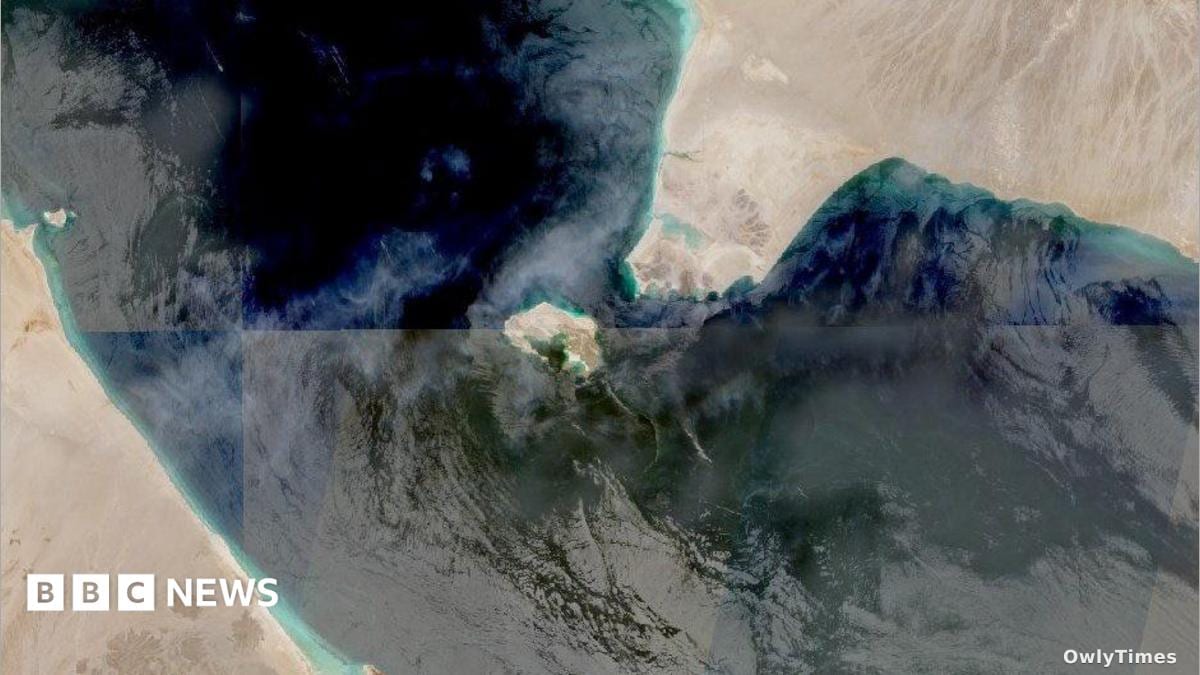
The attacks on Saudi oil infrastructure – sites without known U.S. military presence – and the reported drone attacks on a commercial port in Oman, a key mediator, are particularly significant. These suggest Iran is prepared to escalate beyond targeting solely U.S.-linked assets, directly challenging the sovereignty of Gulf states regardless of their neutrality. The attacks in the Strait of Hormuz, a vital global shipping lane, further amplify the risk of wider regional conflict and global economic disruption. This is a clear signal that Iran is willing to raise the stakes dramatically. The failure of ongoing mediation efforts, with Sultan Haitham bin Tariq of Oman coordinating with Egyptian President Abdel Fattah al-Sisi and King Abdullah II of Jordan, underscores the diminished prospects for a diplomatic resolution.
The political chess move to watch next isn’t whether the U.S. will respond with further military action – that’s almost guaranteed. It’s whether Saudi Arabia and the UAE will publicly and demonstrably deepen their security cooperation with the U.S., allowing for expanded U.S. military presence and operational freedom within their borders. A definitive “yes” would signal a complete realignment of regional power dynamics, effectively conceding the leverage Iran sought to deny. A hesitant or qualified response, however, would reveal the extent to which the Gulf states are constrained by their fear of further Iranian retaliation and their desire to avoid becoming proxies in a larger U.S.-Iran conflict.