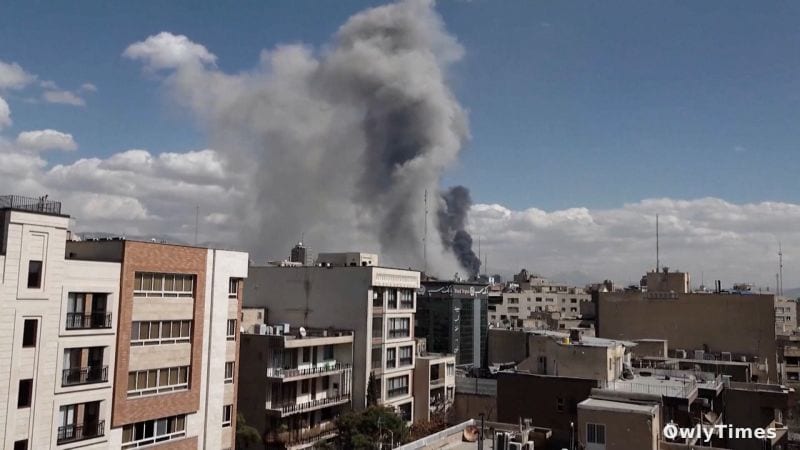

The calculated elimination of Ayatollah Ali Khamenei wasn’t a spontaneous escalation, but a high-stakes gambit by the Trump administration to reshape the geopolitical landscape of the Middle East – and, critically, to pressure China. While framed as a response to attacks on US forces, the timing and targeting reveal a strategic intent to disrupt Iran’s oil supply, a significant portion of which flows directly to Beijing. The subsequent retaliatory strikes, impacting cities across the Gulf and triggering widespread travel disruptions, are not simply escalation; they are the predictable consequence of a move designed to force a reaction, and to expose vulnerabilities in both Iran’s defenses and China’s energy security.
The immediate fallout is clear: who benefits and who loses. Israel gains a reprieve from direct Iranian pressure, at least temporarily, and the US asserts its military dominance. China, however, stands to lose substantially. As Rob Thummel, Portfolio Manager at Tortoise Capital, points out, Beijing’s reliance on Iranian and Venezuelan oil – accounting for roughly 15% of its total imports – makes it uniquely vulnerable to supply disruptions. The loss of both Nicolás Maduro’s Venezuela and Ayatollah Khamenei’s Iran within a two-month span isn’t merely coincidental; it’s a deliberate constriction of China’s access to vital resources. This mirrors a pattern seen during the Cold War, where controlling access to key commodities was a central tenet of geopolitical strategy. The Soviet Union’s vulnerability in grain imports, for example, was consistently exploited by the United States.
Reporting from CNN informs this analysis.
The Pentagon’s internal briefings, leaked to congressional staff, further illuminate the strategic calculus. The claim of an “imminent threat” justifying the strikes is undercut by the acknowledgement that Iran was unlikely to attack US forces unless Israel attacked first. This suggests the administration deliberately provoked a response, creating a justification for further action and solidifying a narrative of American resolve. This tactic isn’t new. The Gulf of Tonkin incident in 1964, later revealed to be based on questionable intelligence, served a similar purpose – providing a pretext for escalating US involvement in Vietnam. The parallel lies in the manipulation of events to create a justification for pre-determined policy objectives.
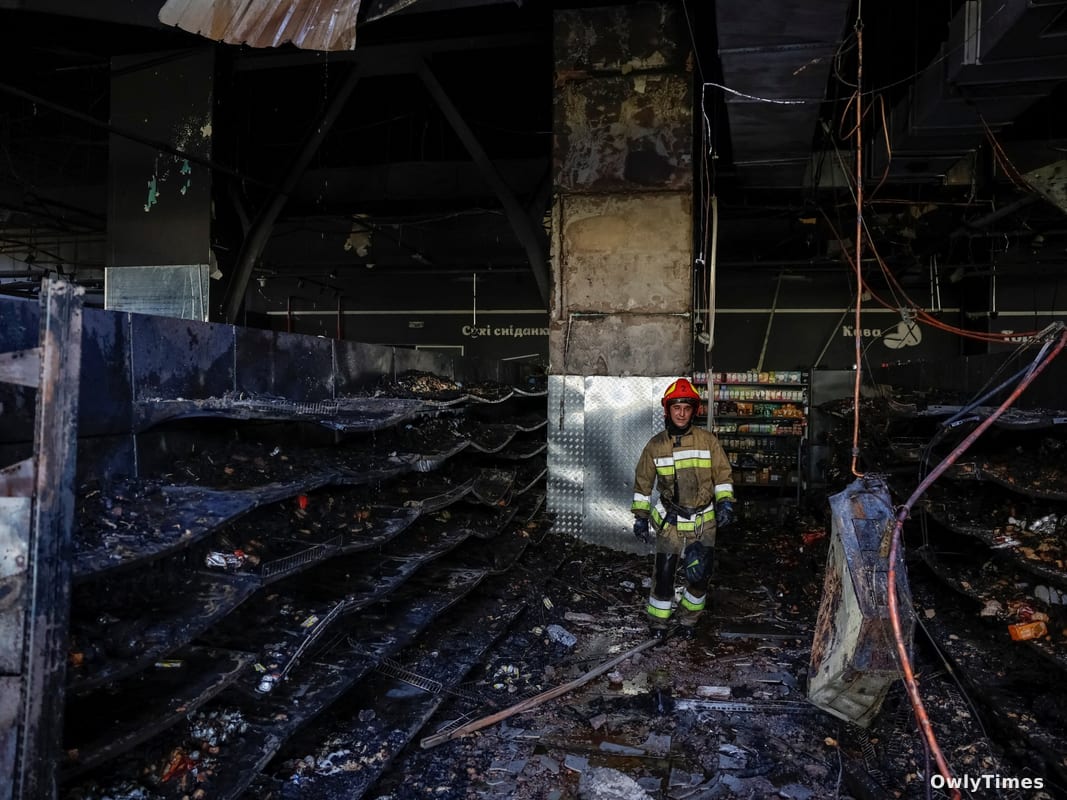
The disruption to global air travel and the scramble for citizen evacuations – with nations like Thailand, Pakistan, and Japan mobilizing resources – are secondary effects, but they underscore the destabilizing impact of the conflict. The UAE’s decision to cover costs for stranded travelers is a pragmatic attempt to mitigate reputational damage and maintain its position as a regional hub, but it also highlights the economic strain the conflict is imposing. The reports of damage to Dubai International Airport, one of the world’s busiest, are particularly concerning, signaling a potential long-term impact on global trade and connectivity. The situation in the Strait of Hormuz, with Iran threatening to disrupt shipping lanes, adds another layer of complexity, recalling the “Tanker War” of the 1980s, when attacks on oil tankers threatened to plunge the region into wider conflict.
The current escalation isn’t solely about Iran; it’s about containing China’s growing influence. By targeting Iran, the US is simultaneously weakening a key Chinese partner and signaling its willingness to defend its interests in the region. President Trump’s comments to ABC News, boasting about eliminating potential successors to Khamenei, reveal a ruthless pragmatism and a willingness to destabilize the Iranian regime to ensure a favorable outcome. The release of propaganda videos showcasing Iran’s drone arsenal is a predictable attempt to project strength and deter further aggression, but it also serves to justify future military action.
The political chess move to watch next isn’t whether Iran will launch further attacks – that’s almost guaranteed. It’s whether the Trump administration will leverage this crisis to push for a broader renegotiation of the Iran nuclear deal, potentially linking it to concessions from China on trade and other geopolitical issues. The administration has consistently framed its Iran policy as part of a larger strategy to counter Chinese influence, and this crisis provides a potent opportunity to advance that agenda. Will the US attempt to capitalize on Iran’s vulnerability to extract concessions from Beijing, or will the situation spiral into a wider regional conflict? That is the question that will define the coming weeks.