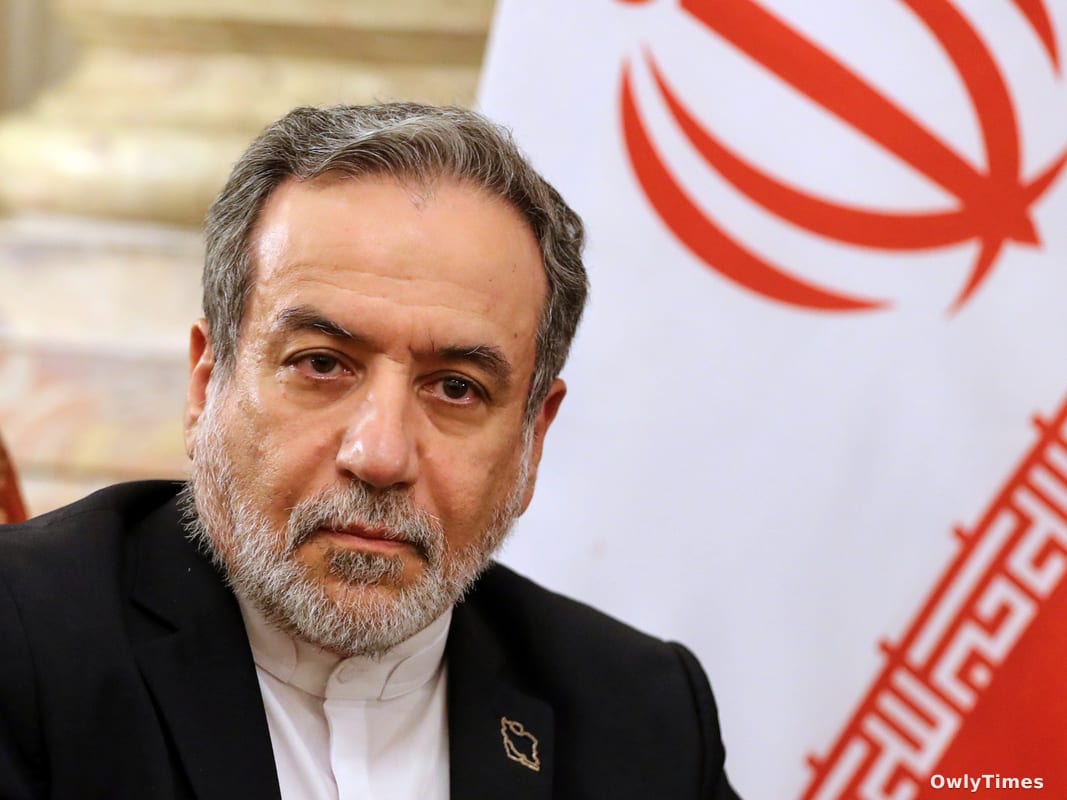

Is anyone actually surprised there are back channels open between Washington and Tehran? The breathless reporting around Abbas Araghchi’s confirmation of contact with Steve Witkoff misses the point entirely. The real story here isn't that the US and Iran are talking – they’ve been talking, directly or indirectly, through intermediaries for decades. It’s that after a month of escalating conflict and two prior instances of the US launching attacks during negotiations, anyone in either government still pretends to believe good faith is on the table.
Araghchi’s interview with Al Jazeera, while seemingly a straightforward confirmation of communication, is a masterclass in diplomatic signaling. He explicitly denies negotiations, stating messages are funneled through the Foreign Ministry, a procedural formality designed to demonstrate a lack of direct, high-stakes engagement. This isn’t about a sudden desire for peace; it’s about establishing a baseline for potential de-escalation, and, crucially, reminding the world who holds the cards. The fact that Pakistan is facilitating these contacts, and actively seeking support from China, underscores the limitations of US influence and the growing multi-polarity of the region. It’s a subtle but significant shift.
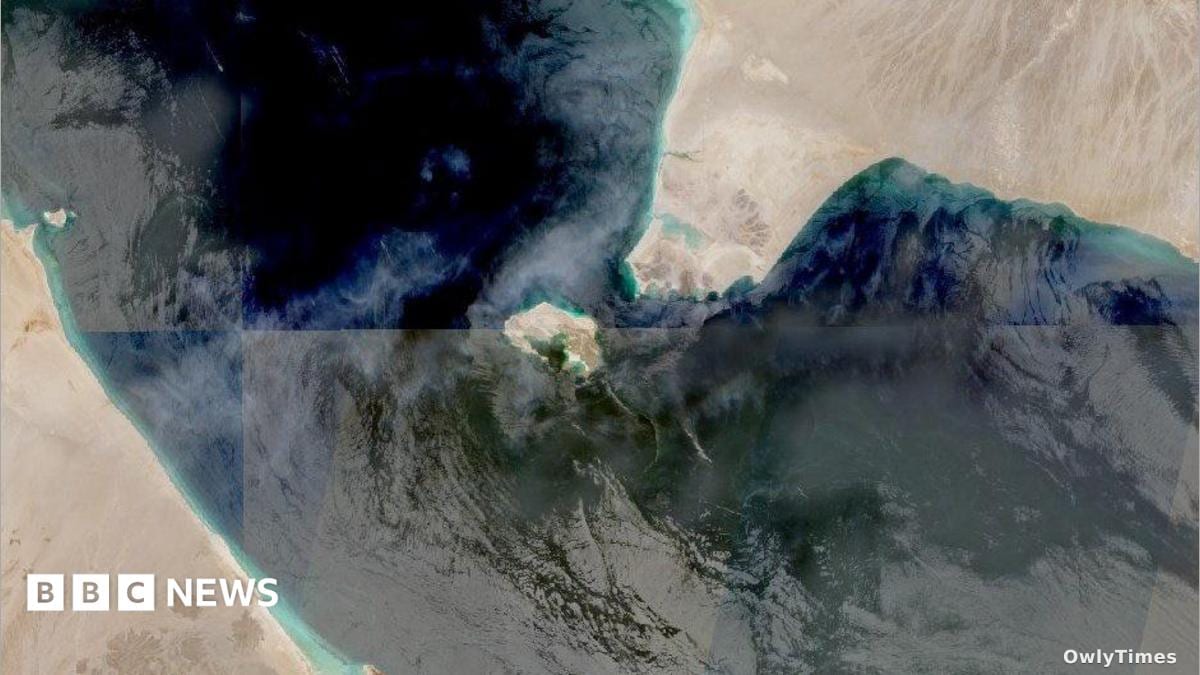
The Strait of Hormuz: A Battle Over Control, Not Just Commerce
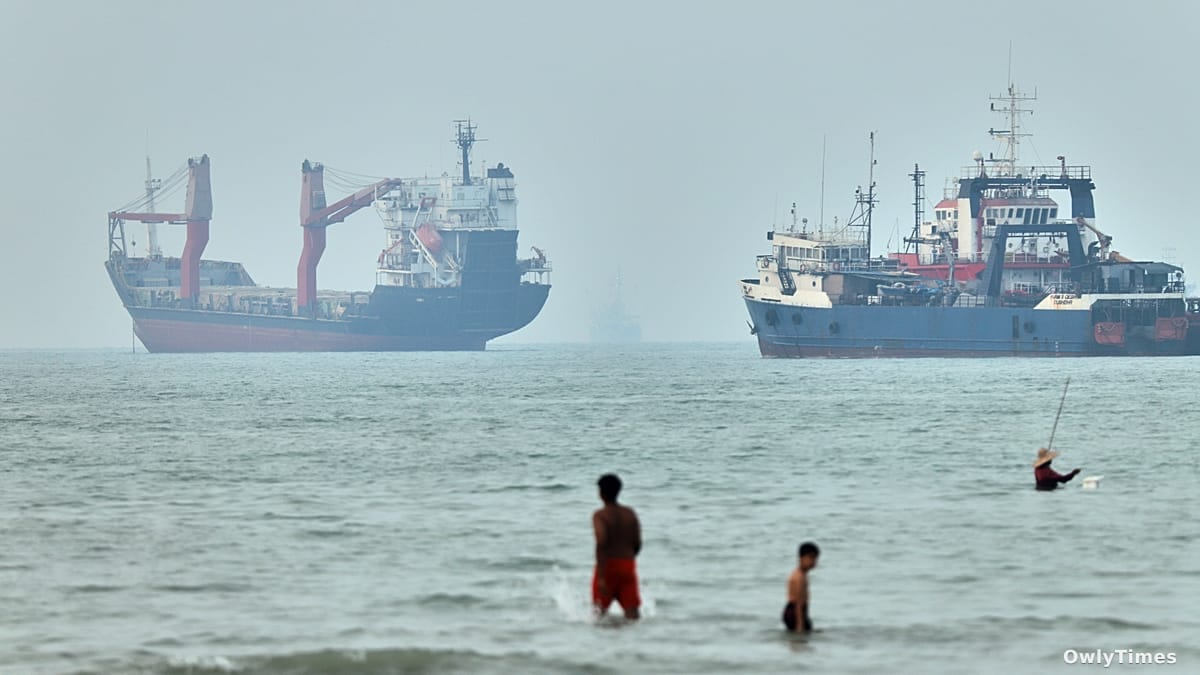
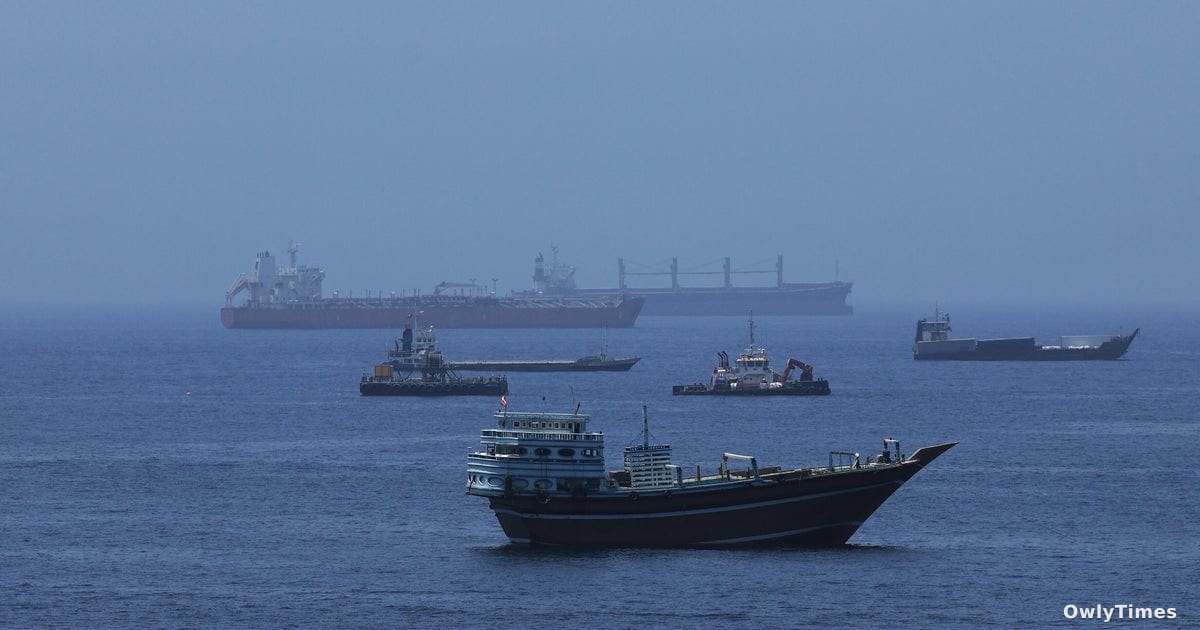
The discussion surrounding the Strait of Hormuz is particularly revealing. Araghchi’s claim that its future rests with Iran and Oman isn’t a legal argument – international law recognizes freedom of navigation – it’s a statement of intent. It’s a reminder that Iran can disrupt 20 percent of the world’s oil supply, and that any post-conflict arrangement will require acknowledging Iranian security concerns. The insistence from Gulf nations like Qatar to be included in these talks highlights the inherent tension: everyone wants a say in securing a vital waterway, but no one wants to cede control to Iran. The current situation, where ships linked to nations not directly at war are already avoiding the strait due to security risks and insurance costs, is a preview of the economic fallout a prolonged conflict would bring. Araghchi notes that vessels from India, Pakistan, Turkey, and China have been granted passage, a clear indication of Iran’s strategic priorities and willingness to carve out exceptions based on political alignment.
See the original Al Jazeera story for the full account.
A History of Broken Trust Fuels Current Skepticism
Araghchi’s blunt assessment – “The trust level is at zero. We don’t see honesty” – isn’t just rhetoric. It’s rooted in a very recent history. The US withdrawal from the Barack Obama-era nuclear deal during Donald Trump’s first term set a precedent for unilateral action. Then, the two attacks launched by the US while negotiations were underway – in June 2025 and the current conflict beginning February 28th – demonstrate a pattern of bad faith. To suggest, as some analysts do, that Iran is simply being intransigent ignores the fact that the US has repeatedly demonstrated it’s willing to negotiate and simultaneously undermine those efforts with military force. This isn’t a matter of stubbornness; it’s a rational calculation based on past experience. The Omani mediation, previously on the verge of a breakthrough, was effectively sabotaged by the latest escalation.
Preparing for the Worst: Iran’s Ground Invasion Stance
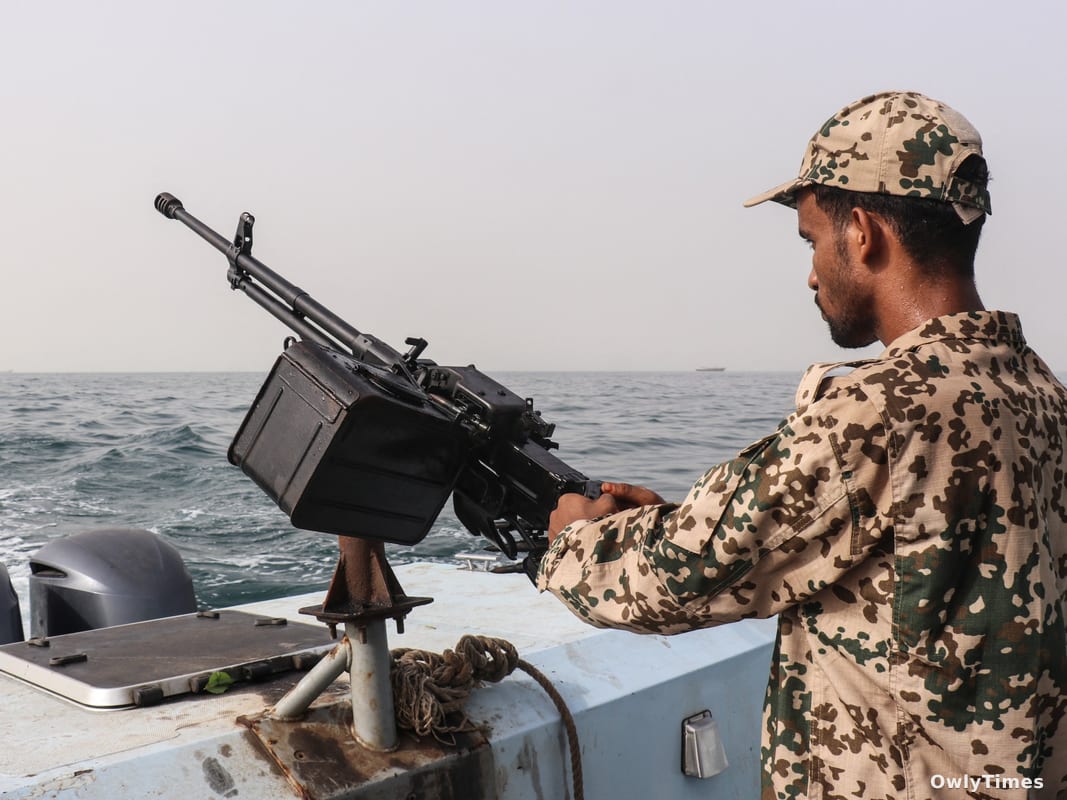
The most chilling aspect of the interview isn’t the talk of back channels, but Araghchi’s dismissive response to the possibility of a US ground invasion: “We are waiting for them.” This isn’t bravado; it’s a calculated message intended to deter further escalation. While the Pentagon undoubtedly has contingency plans, a ground war in Iran would be a logistical nightmare and a humanitarian disaster. Araghchi’s assertion that Iran is “completely ready to confront any sort of ground attack” should be taken seriously, not as empty threats, but as a reflection of Iran’s significant investment in asymmetric warfare capabilities. The US may possess superior firepower, but Iran has the home-field advantage and a demonstrated willingness to employ unconventional tactics.
The current dance between Washington and Tehran isn’t about finding a solution; it’s about managing risk. The US is attempting to project strength while simultaneously signaling a desire to de-escalate, while Iran is reinforcing its red lines and preparing for the worst. But here’s what everyone is missing: the window for a negotiated settlement is rapidly closing. Watch for a significant increase in cyberattacks targeting critical infrastructure in the Gulf region within the next two weeks. This won’t be a prelude to peace talks; it will be a signal that Iran is preparing to raise the stakes, forcing a reckoning with the reality that a prolonged conflict is becoming increasingly likely.