
Five Years and a Pandemic: The Calculated Risk Paying Off for Mae’s Sweets With a Soul
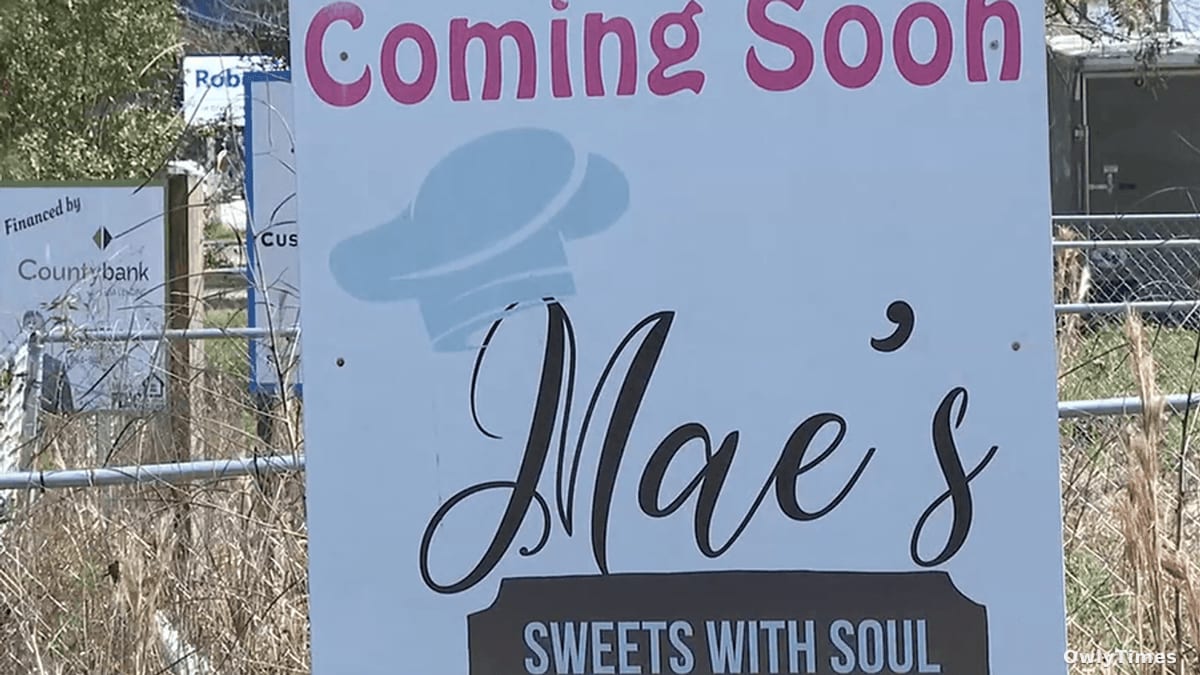
$215,000. That’s the average cost of commercial real estate per acre along Savannah Highway in Johns Island as of Q4 2025, according to Charleston County Assessor’s data. Lillie Smalls and her husband, Carl, purchased their lot in 2019, betting on the continued growth of the area – a bet that faced a five-year holding period punctuated by a global pandemic. The Wednesday groundbreaking of Mae’s Sweets With a Soul isn’t simply a local business launch; it’s a case study in delayed gratification and a calculated risk finally coming to fruition in a rapidly changing market. Follow the money here reveals a strategic land play that, despite significant headwinds, appears poised to capitalize on Johns Island’s demographic and economic shifts.
See the original abcnews4.com story for the full account.
The Johns Island Premium: Why Patience Was Key
The Smalls’ 2019 purchase predates the significant surge in Johns Island property values. While $215,000/acre is the current average, prices have increased by 38% since 2019, fueled by an influx of residents seeking more space and a slower pace of life outside of Charleston proper. This appreciation alone represents a substantial paper gain on the Smalls’ initial investment. However, simply holding the land wasn’t a passive strategy. The pandemic, beginning in early 2020, introduced unprecedented uncertainty. Restaurant and retail businesses faced lockdowns, supply chain disruptions, and shifting consumer behavior. The National Restaurant Association reported a 54% decline in restaurant sales during the peak of the pandemic in April 2020. To proceed during this period would have been financially perilous. The Smalls’ decision to delay construction wasn’t a setback, but a prudent risk mitigation tactic, allowing them to observe market recovery and refine their business plan.
Beyond Dessert: The Community Investment Model
Mae’s Sweets With a Soul isn’t positioning itself as merely another dessert shop. Lillie Smalls’ stated intention to “donate to schools and do scholarships” signals a deliberate strategy to embed the business within the local community. This approach is increasingly common among successful small businesses, particularly in areas experiencing rapid growth. A 2024 study by the Initiative for a Competitive Inner City found that businesses actively engaged in community investment experienced a 17% higher rate of revenue growth compared to those that did not. The “village” and “home” metaphor articulated by Carl Smalls further reinforces this commitment to creating a welcoming and inclusive space. This isn’t simply branding; it’s a business model predicated on fostering customer loyalty and positive word-of-mouth marketing – a cost-effective advantage in a competitive landscape.
Savannah Highway’s Retail Renaissance and the Local Advantage
The location at 3919 Savannah Highway is strategically significant. While Charleston’s downtown core boasts high foot traffic, it also carries significantly higher operating costs. Savannah Highway offers a balance: increasing visibility with a growing population, but with comparatively lower rent and property taxes. Recent data from the Charleston Regional Development Commission shows a 22% increase in retail permits issued along the Savannah Highway corridor in the last two years, indicating a burgeoning retail renaissance. However, the Smalls’ advantage lies in being local. National chains struggle to replicate the authentic community connection that a family-owned business like Mae’s Sweets With a Soul can cultivate. This localized approach is particularly effective in attracting residents who prioritize supporting local entrepreneurs.
What This Means for Your Wallet
The opening of Mae’s Sweets With a Soul isn’t likely to directly impact your grocery bill, but it is indicative of a broader trend: the increasing value of community-focused businesses. Expect to see more entrepreneurs prioritizing local investment and building relationships with their customers. This translates to a shift in consumer spending – a willingness to pay a slight premium for goods and services from businesses that demonstrably contribute to the well-being of the community. The question now is whether other entrepreneurs in the Johns Island area will follow suit, leveraging the same patient, community-centric approach to capitalize on the area’s continued growth. Will we see a wave of locally-owned businesses thriving along Savannah Highway, or will national chains ultimately dominate the landscape? That’s the key indicator to watch in the coming months.