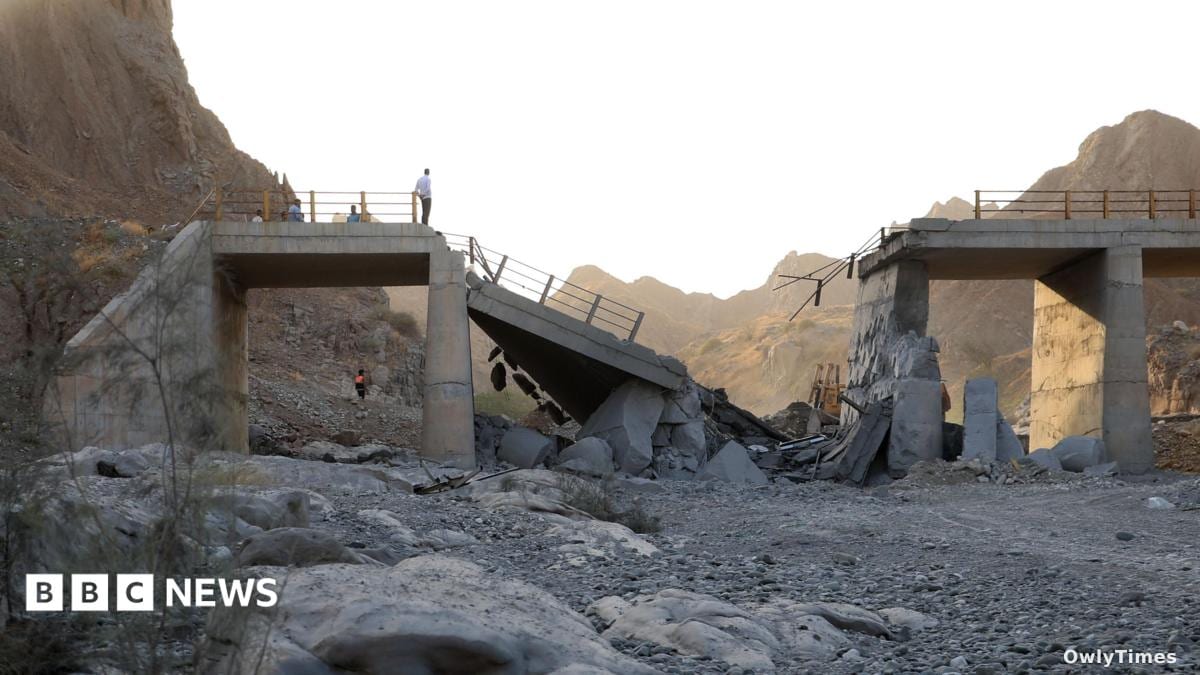

If you think the current volatility in global energy markets is just a temporary glitch in the algorithm, you’re missing the forest for the trees. The real story here isn’t just the localized exchange of fire in the Middle East; it’s the total collapse of the digital and diplomatic "infrastructure" that keeps our globalized economy from spinning off its axis. When the pipes—both the ones carrying oil through the Strait of Hormuz and the ones providing drinking water to Kuwait—become primary military targets, the "connected world" starts to look a lot more like a fragile, offline house of cards.
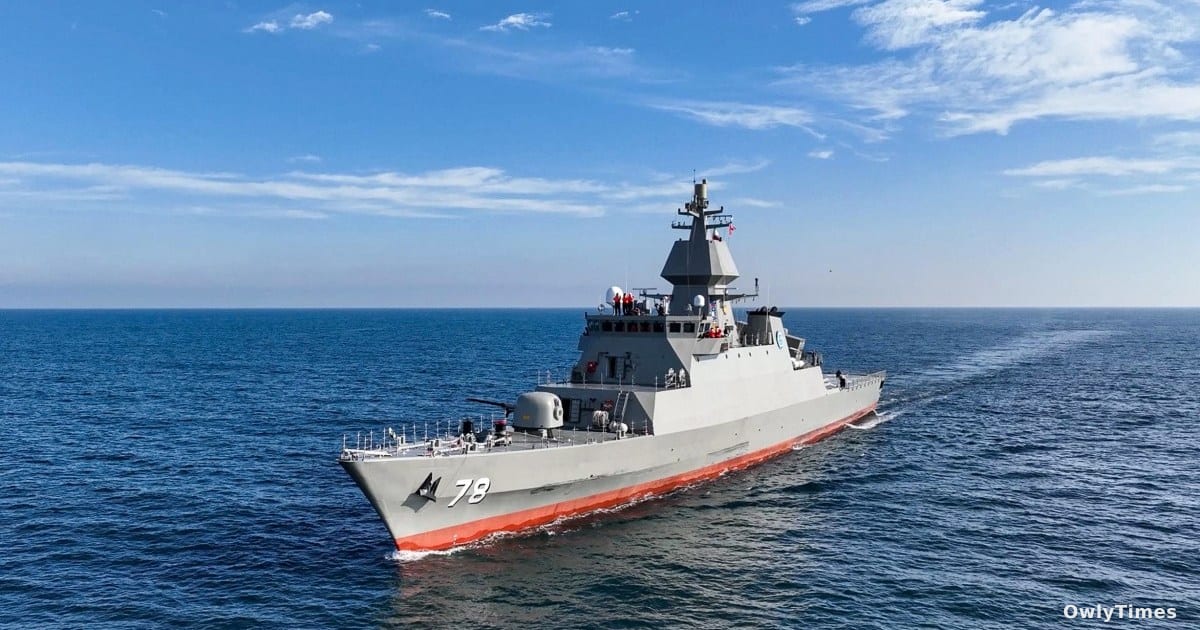
The immediate catalyst for this weekend's escalation, as reported by the BBC, ABC News, CNBC, and Fortune, was a deadly attack on a U.S. base in Jordan. All four outlets confirm that two American service members were killed, one remains missing, and four others were hospitalized following an Iranian drone and missile strike. In response, U.S. Central Command (Centcom) launched a seventh consecutive night of airstrikes, targeting what they describe as Iranian surveillance, logistics, and weapons storage.
The crumbling of the interim peace
The real story here isn't just the tactical back-and-forth—it’s the official death of the interim peace agreement signed just last month. According to CNBC, Kazem Gharibabadi, Iran’s deputy foreign minister, declared that Tehran is officially suspending all commitments under the deal. While the BBC notes that President Donald Trump had already declared the agreement "over" on July 8, the formal abandonment of the memorandum by Iran signifies that we have returned to a state of open, unconstrained hostility.
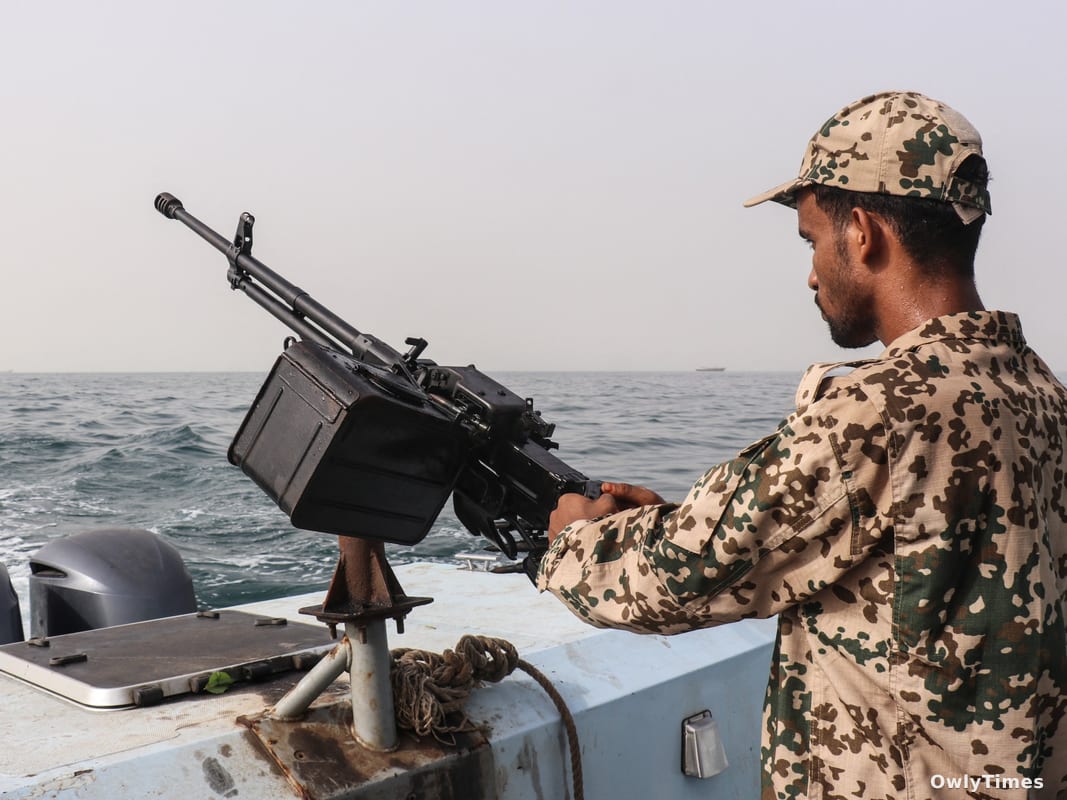
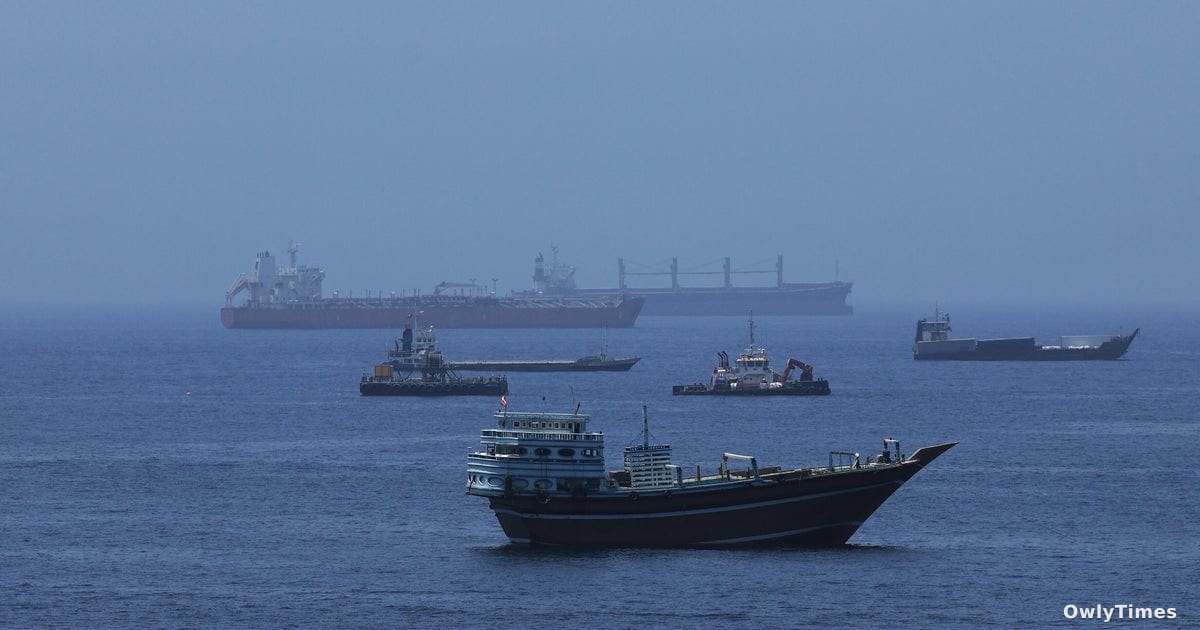
This is where the tech-heavy rhetoric of the conflict hits the ground. Fortune and ABC News both highlight that the battle is essentially a fight for control over the Strait of Hormuz, a waterway that historically carried 20% of the world’s crude oil. By targeting desalination plants—essential for a country like Kuwait, which relies on them for 90% of its drinking water—both sides have moved from traditional military maneuvering to attacking the basic utilities that define modern civilian life.
Discrepancies in the fog of war
As is often the case with high-stakes conflicts, the casualty numbers remain fluid and contested. While ABC News and Fortune place the total U.S. death toll since the war began at 16, Iranian authorities offer a much grimmer counter-narrative. They claim that at least 50 people have been killed and over 500 wounded by U.S. strikes in the past three weeks alone. It is impossible to reconcile these figures, but the discrepancy highlights the widening gap between the two sides’ descriptions of the conflict’s intensity.
Why this matters to the average user
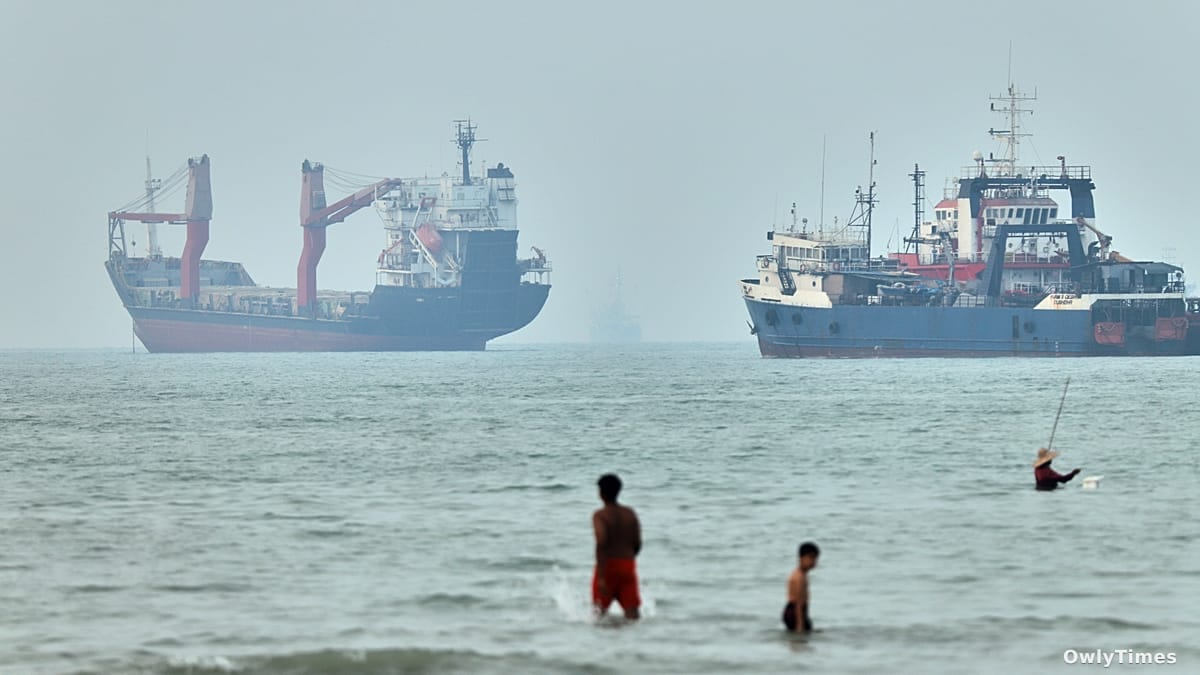
For those of us watching from Silicon Valley or beyond, the impact is cascading. We are seeing a shift from localized skirmishes to a blockade-style reality. Centcom reports that U.S. forces have already redirected or disabled several commercial shipping vessels to enforce a blockade, while Iran claims to have immobilized four vessels of its own.
The next phase of this conflict won't be fought in a boardroom. Keep your eyes on the upcoming trade and transit data for the Strait of Hormuz; if the three-week low in shipping traffic mentioned by ABC News drops further, we are looking at an unavoidable shock to global energy prices that no amount of software optimization can fix.