
32 individuals—representing a 23% increase over the average class size of prior Leadership Tennessee cohorts—have been selected for the state’s flagship leadership program, signaling a deliberate expansion of influence beyond traditional power centers. This isn’t simply a feel-good story about civic engagement; it’s a strategic realignment of Tennessee’s leadership pipeline, and the inclusion of Lakeisha Edwards, executive director of the Memphis-based UrbanArt Commission, is a key indicator. Follow the money—or, in this case, the influence—and you’ll find a growing recognition that cultural initiatives and community-level development are increasingly vital to economic growth, particularly in cities like Memphis striving to attract and retain a skilled workforce. Edwards’ selection suggests a shift in focus toward projects that enhance quality of life, a factor consistently ranked as high priority by millennials and Gen Z when choosing where to live and work.
The elevation of Lauran Stimac to receive the 2026 Marion Griffin-Frances Loring Award from the Association for Women Attorneys isn’t an isolated honor, but a data point within a larger trend. While women comprise roughly 37% of practicing attorneys in Tennessee, awards like this—named for pioneers Marion Griffin and Francis Loring—carry disproportionate weight in shaping perceptions of leadership and opening doors for advancement. The award’s prestige, coupled with Stimac’s role as shareholder and Litigation Practice Group chair at Evans Petree, effectively signals to clients and aspiring lawyers alike that female leadership is not only valued but demonstrably successful within the Memphis legal community. This is particularly relevant given the ongoing, albeit slow, progress toward gender parity in partner-level positions at major law firms nationwide.
A quiet but significant transfer of institutional knowledge is underway in Memphis commercial real estate. The retirement of Harold Moss, after 42 years—six with Boyle Investment Co.—and the appointment of Dena Forbes as director of Property Management represents more than just a personnel change. It’s a generational shift. Moss’s four decades provide a deep understanding of Memphis’s evolving commercial landscape, while Forbes’s appointment suggests Boyle is prioritizing a forward-looking approach to property management, potentially incorporating new technologies and sustainability practices. The timing is crucial; Memphis’s commercial real estate market, while showing signs of recovery, still lags behind national averages in occupancy rates and rental growth, according to a recent report by CBRE.
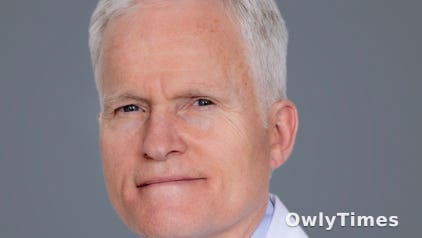
The internal restructuring at Campbell Clinic—with John R. Crockarell Jr. assuming the Chief of Staff role from Frederick M. Azar, who now chairs the University of Tennessee – Campbell Clinic Department of Orthopaedic Surgery and Biomedical Engineering—highlights a strategic investment in academic research and innovation. Azar’s new position, holding the Harold Boyd Chair, directly links clinical practice with cutting-edge biomedical engineering, a field attracting significant venture capital funding nationally. This move isn’t simply about prestige; it’s about positioning Campbell Clinic as a regional hub for orthopaedic advancements, potentially attracting research grants and specialized patients. Crockarell’s 30 years of experience provide stability during this transition, ensuring continuity of clinical operations while Azar focuses on research.
This article draws on reporting from commercialappeal.com.
Rhodes College’s continued ranking among the top institutions for study abroad participation—No. 30 for undergraduate participation with 284 students in 2023-24—is a compelling indicator of the college’s commitment to global engagement, and a potential competitive advantage. While the overall number of U.S. students studying abroad has seen a 5% increase according to the Open Doors 2025 Report, Rhodes’ consistent high ranking demonstrates a sustained institutional priority. This isn’t merely about providing students with enriching experiences; it’s about cultivating a globally-minded workforce, increasingly valued by employers operating in international markets. The college’s strong showing in short-term programs (No. 18) suggests a focus on accessibility and inclusivity, allowing a broader range of students to participate.
What this means for your wallet: These seemingly disparate personnel moves and institutional recognitions collectively paint a picture of Memphis actively investing in its future. For consumers, this translates to a potentially more vibrant cultural scene, a more innovative healthcare sector, and a more competitive job market. However, the key question remains: will these investments translate into tangible economic benefits for all residents, or will they exacerbate existing inequalities? Watch for the impact of the UrbanArt Commission’s projects on neighborhood revitalization efforts, and track whether Campbell Clinic’s research breakthroughs lead to more affordable and accessible healthcare options. The success of these initiatives will ultimately determine whether Memphis can truly capitalize on its emerging strengths.