
The Strategic Chill: Dallas’s New York Gambit and the Shifting Financial Landscape
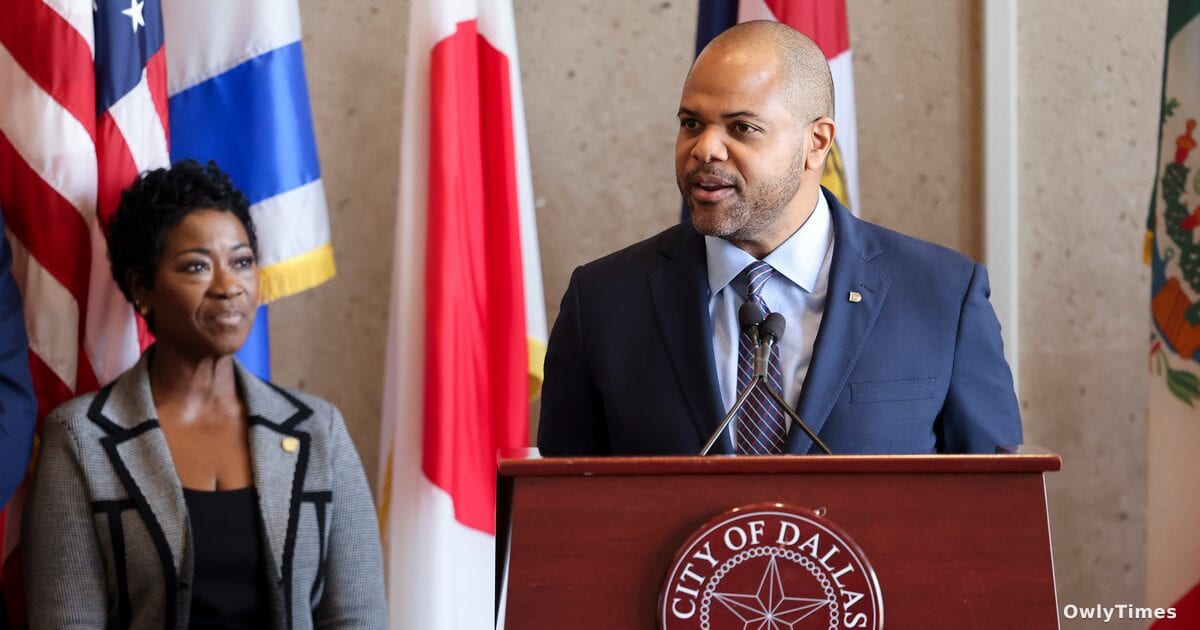
The postponement of Mayor Eric Johnson and City Manager Kimberly Bizor Tolbert’s trip to New York City isn’t simply a matter of inclement weather; it’s a revealing moment in the escalating competition for capital and corporate presence. The blizzard delaying the delegation – initially scheduled for February 19th – underscores a fundamental truth about economic development in the 21st century: location is no longer destiny, but perception and proactive courting are paramount. This trip wasn’t about passively waiting for companies to relocate to Dallas, but actively attempting to shape the narrative around Dallas as a viable, even preferable, alternative to established financial centers. The fact that a snowstorm can disrupt such a carefully planned initiative highlights the fragility of these efforts and the degree to which Dallas is now playing a game previously dominated by New York and, increasingly, other Sun Belt cities.
See the original dallasnews.com story for the full account.
The stated purpose of the trip – to attract corporations and promote the Texas Stock Exchange – is straightforward enough. Mayor Johnson and Tolbert intended to capitalize on recent wins: expansions by Goldman Sachs and Scotiabank, alongside the launch of three new stock exchanges within the Dallas area. These developments represent a tangible shift, but the scale is crucial. While significant, these expansions don’t yet represent a mass exodus from New York. The New York Stock Exchange’s establishment of a Dallas branch and Nasdaq’s plans for dual listings and a regional headquarters are, strategically, defensive maneuvers – acknowledging Dallas’s rising profile while simultaneously attempting to contain the potential for a larger shift in market share. Who benefits and who loses here isn’t a simple binary. New York loses relative dominance, but gains a foothold in a growing market. Dallas benefits from increased investment and prestige, but remains reliant on the existing infrastructure and reputation of established players.
This push for financial prominence isn’t happening in a vacuum. Dallas’s ambitions are directly linked to a broader trend of corporate migration away from traditional hubs, accelerated by factors like lower taxes, reduced regulation, and a perceived improvement in quality of life in states like Texas. However, this narrative is complicated by recent setbacks. The relocation of AT&T’s headquarters from downtown Dallas to Plano serves as a stark reminder that even long-standing commitments can be reversed. This move, occurring despite significant city incentives, raises questions about Dallas’s ability to retain established businesses, let alone attract new ones. The optics of promoting a new stock exchange while simultaneously losing a major corporate headquarters are undeniably unfavorable, and the delayed trip to New York offers a temporary reprieve from scrutiny on this contradiction.
The historical parallel here is instructive. In the 1970s and 80s, cities like Charlotte, North Carolina, actively courted financial institutions fleeing the regulatory burdens and high costs of New York City. Charlotte’s success wasn’t simply about lower taxes; it was about building a supportive ecosystem – a skilled workforce, favorable regulations, and a proactive local government. Dallas is attempting a similar strategy, but faces a more competitive landscape. The Sun Belt is no longer an untapped frontier; cities like Austin, Raleigh-Durham, and even Nashville are aggressively pursuing the same opportunities. The Texas Stock Exchange itself, slated to begin trading this year in the Knox-Henderson area, is a bold gamble. Its success hinges not only on attracting listings but also on establishing sufficient liquidity and regulatory oversight – challenges that have plagued previous attempts to challenge the dominance of the NYSE and Nasdaq.
The political chess move to watch next isn’t simply rescheduling the New York trip. It’s how Mayor Johnson and City Manager Tolbert address the underlying tension between attracting new businesses and retaining existing ones. Will the city prioritize large-scale incentives for new arrivals, potentially at the expense of supporting established companies like AT&T? Or will they focus on creating a more broadly appealing business environment that benefits all stakeholders? The answer to that question will determine whether Dallas’s financial ambitions are built on a solid foundation or simply a temporary surge of momentum, vulnerable to the next economic blizzard.