
The Unprecedented Scale of Trump’s Political Treasury
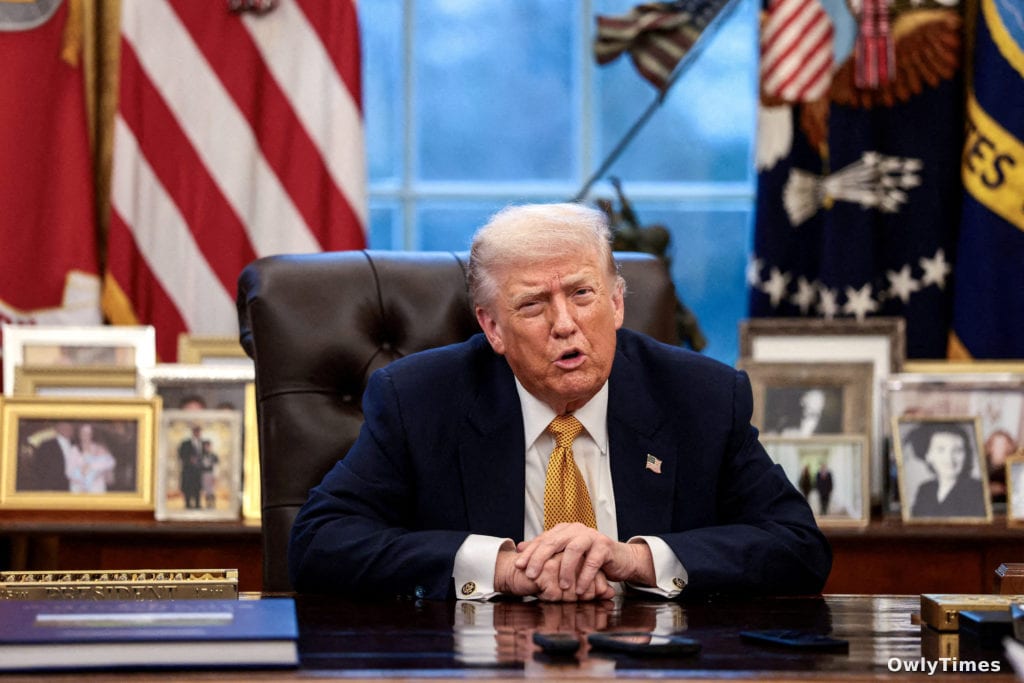
The sheer magnitude of Donald Trump’s reported $1.5 billion political war chest isn’t simply a fundraising milestone; it’s a fundamental disruption of American political finance. While boasting of this sum, and warning Republicans of impeachment should they lose the midterms, Trump is establishing a level of financial dominance previously unseen in U.S. politics. This isn’t just about influencing the upcoming elections – it’s about building a lasting power base, independent of party structures, and potentially reshaping the Republican party in his image. The implications extend far beyond campaign ads and rallies, touching on the very nature of political influence and accountability.
Background & Context: A History of Financial Advantage
Donald Trump’s relationship with money has always been central to his political persona. His 2016 campaign defied conventional wisdom by relying heavily on earned media and a relatively small donor base, but his 2024 reelection bid demonstrated a willingness to embrace – and maximize – large-scale fundraising. According to OpenSecrets, a nonpartisan group tracking political spending, the $1.5 billion figure roughly matches the total expenditure of Trump and allied groups during his successful 2024 campaign. This represents a significant escalation from previous presidential cycles.
Based on the original PBS report.
What’s particularly noteworthy is the opacity surrounding this current stockpile. Unlike traditional campaign finance disclosures, much of the money is flowing through groups not legally obligated to reveal their donors or spending. This contrasts sharply with the transparency expected of parties and candidates, and it’s a pattern that began to accelerate during the 2024 election cycle. To put this into perspective, Joe Biden’s fundraising during his first year in office – roughly $97 million – represents a mere 7% of Trump’s claimed total, despite Biden actively preparing for a reelection campaign that Trump is constitutionally barred from pursuing. This disparity isn’t just about fundraising prowess; it’s about a fundamentally different approach to building and wielding political power.
The Significance of Untracked Funds and Past Spending Patterns
The difficulty in precisely calculating Trump’s financial holdings is a critical point. The reliance on non-disclosing entities raises serious questions about the source of these funds and the potential for undue influence. This lack of transparency allows for the possibility of foreign contributions or hidden agendas, eroding public trust in the political process. Furthermore, Trump’s past behavior suggests this money won’t necessarily be deployed in the traditional manner.
He has historically been hesitant to invest heavily in down-ballot races, prioritizing his own political interests. There have also been documented instances of funds being directed to his own businesses, blurring the lines between campaign spending and personal enrichment. This pattern signals a willingness to treat the war chest as a personal asset, rather than a tool for advancing a broader political agenda. The fact that he’s already framing midterm losses as justification for potential impeachment further underscores the self-preservation at the heart of this financial strategy.
What This Means for the Political Landscape
The implications of Trump’s financial dominance are far-reaching. For the Republican party, it creates a complex dynamic. While the funds could be used to support Republican candidates in the midterms and beyond, they also give Trump immense leverage over the party’s direction. Candidates may feel compelled to align themselves with his policies and rhetoric to secure his financial backing, potentially stifling internal dissent and independent thought.
For Democrats, the challenge is significant. Matching Trump’s fundraising capacity is unlikely, forcing them to rely on grassroots organizing and alternative funding strategies. The disparity in resources could impact their ability to compete effectively in key races. More broadly, this situation exacerbates the existing concerns about the influence of money in politics, potentially further alienating voters and eroding faith in democratic institutions. The public should be prepared for a highly asymmetrical information environment in the coming months, with Trump-aligned groups able to saturate the media landscape with their messaging.
Looking Ahead: The 2028 Shadow and Beyond
The immediate focus will be on the November midterms. Will Trump deploy his financial resources to support Republican candidates, or will he prioritize building a platform for a potential future run – perhaps through a proxy candidate in 2028? The answer to that question will reveal much about his long-term strategy. Beyond the midterms, the continued accumulation of funds raises the prospect of a sustained, independent political operation, capable of influencing elections and policy debates for years to come.
The lack of transparency surrounding these funds remains a critical unanswered question. Increased scrutiny from the media, regulatory agencies, and Congress will be essential to ensure accountability and prevent potential abuses. Ultimately, this situation underscores the urgent need for comprehensive campaign finance reform to level the playing field and restore public trust in the democratic process. The scale of Trump’s war chest isn’t just a financial story; it’s a story about the future of American democracy itself.