
The Calculus of Openly Discussing Regime Change in Iran
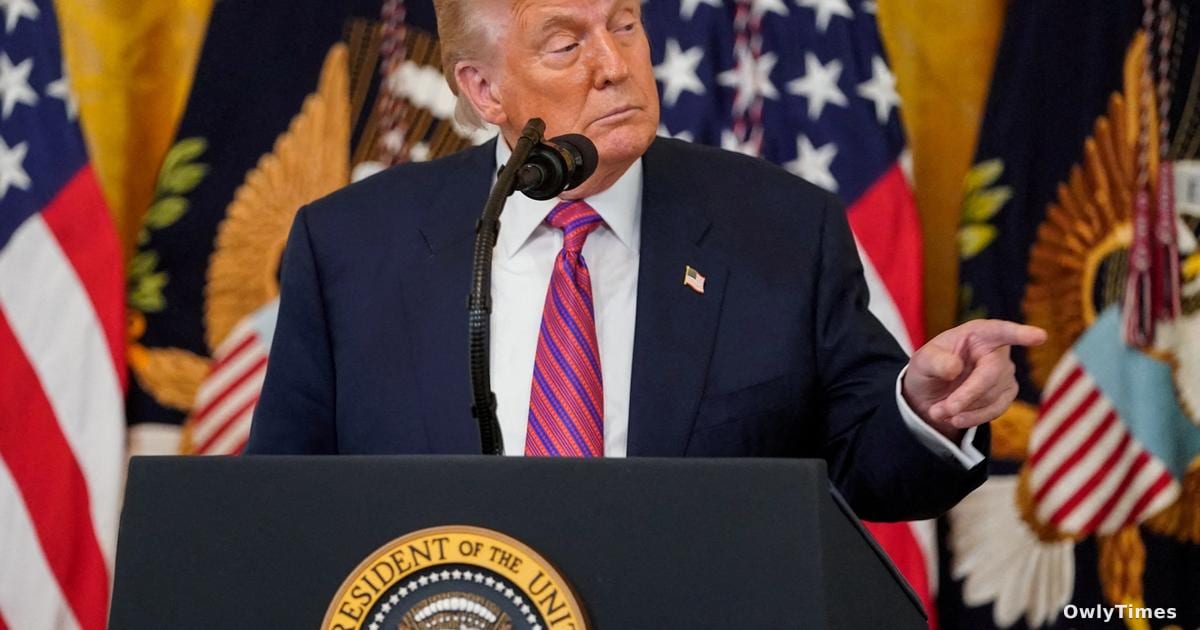
Donald Trump’s recent statement openly contemplating regime change in Iran isn’t a departure from US policy, but a calculated escalation of pressure designed to exploit existing fractures within the Iranian state. The timing – amidst widespread protests brutally suppressed by the regime, coupled with reports of internal military strain – isn’t coincidental. It’s a public acknowledgement of a long-held, if previously unstated, objective, and a signal to various Iranian factions that the US is willing to entertain alternatives to the current theocracy. This isn’t simply about supporting the protestors; it’s about leveraging the unrest to weaken the regime’s negotiating position on nuclear talks and regional influence, and potentially reshape the geopolitical landscape. Who benefits and who loses here is stark: the current Iranian leadership loses legitimacy and stability, regional rivals like Saudi Arabia and Israel gain potential leverage, and the US attempts to reassert its influence, though at the risk of further destabilizing an already volatile region.
See the original iranintl.com story for the full account.
Cracks in the Foundation: Military Disunity and Internal Security
The backdrop to Trump’s statement is a rapidly deteriorating internal situation within Iran. Reports of “desertions, shortages and army-IRGC rift” – as highlighted in recent exclusives – are not merely anecdotal. They point to a systemic weakening of the regime’s most vital instrument of power. The Islamic Revolutionary Guard Corps (IRGC) has long operated as a parallel military force, loyal directly to the Supreme Leader, and increasingly eclipsing the conventional army in resources and influence. However, the army’s perceived lack of adequate funding and equipment, coupled with resentment over the IRGC’s dominance and involvement in lucrative economic ventures, is creating a dangerous fissure. This internal division is compounded by the escalating “checkpoint attacks,” indicating a broadening insurgency beyond organized protest movements. These aren’t isolated incidents; they represent a new front in a low-intensity conflict, stretching the regime’s security apparatus thin and eroding public confidence. The fact that the women’s football team is being held under “tight security in Kuala Lumpur” speaks volumes about the regime’s paranoia and its fear of dissent even within seemingly apolitical spheres.
The Shadow of a New Leader and the Suppression of Information
The emergence of an “unseen new leader” issuing messages in writing is a particularly telling development. While the identity remains obscured, the very act of operating through indirect communication suggests a power struggle at the highest levels of the Iranian government. This could be a deliberate attempt to project strength and unity, but it more likely indicates a fractured leadership unable to present a cohesive public face. Simultaneously, the regime’s violent crackdown on protests – the very justification Trump cited for contemplating regime change – is not simply about suppressing dissent. It’s about controlling the narrative. The regime understands that the free flow of information is its greatest threat, and it’s willing to employ extreme measures to maintain its grip on the media and public discourse. This echoes historical precedents, such as the Soviet Union’s relentless censorship and suppression of information during the Cold War, where controlling the narrative was paramount to maintaining power.
A Historical Parallel: The Soviet Bloc and Controlled Dissidence
The current situation in Iran bears a striking resemblance to the late stages of the Soviet bloc in the 1980s. While the Iranian regime is ideologically distinct, the underlying dynamics are similar: a rigid, authoritarian system facing economic stagnation, internal dissent, and external pressure. Ronald Reagan’s strategy of openly challenging the legitimacy of the Soviet system – famously labeling it an “evil empire” – coupled with support for dissident movements in Eastern Europe, played a significant role in accelerating its eventual collapse. Trump’s rhetoric, while more blunt, follows a similar playbook. The key difference, however, is the absence of a clear, unified opposition force in Iran capable of seizing power should the regime falter. Unlike the Solidarity movement in Poland or the Charter 77 dissidents in Czechoslovakia, the Iranian protest movement is fragmented and lacks a centralized leadership structure. This makes a smooth transition to a more democratic government far less likely, raising the specter of prolonged instability and potential civil war.
The Next Move: Will the US Directly Empower Opposition Groups?
The immediate political chess move to watch isn’t whether Trump will order military intervention – that remains unlikely. Instead, the critical question is whether the US will begin directly empowering Iranian opposition groups, either through financial support, intelligence sharing, or logistical assistance. While publicly supporting the protestors is one thing, actively aiding organized resistance movements would represent a significant escalation and a clear signal that the US is prepared to go beyond rhetoric. The potential ramifications are immense, potentially triggering a wider regional conflict and further destabilizing the Middle East. The US will need to carefully weigh the risks and benefits, considering the potential for unintended consequences and the possibility of empowering extremist factions. The silence from key European allies on this issue is also telling; their reluctance to openly endorse Trump’s stance suggests a deep-seated concern about the potential fallout.