
Is your smart thermostat actually working for you, or is it just the last line of defense against an infrastructure that’s increasingly struggling to keep up with the climate? As millions across the U.S. prepare for the Fourth of July, a "heat dome"—a high-pressure system trapping sweltering air like a lid on a boiling pot—is turning the holiday into a test of human and technological endurance.
The real story here isn’t just the record-breaking mercury readings; it’s the massive, city-wide digital and logistical scramble required to keep urban populations from buckling under the pressure. According to The Guardian, the National Weather Service has warned that heat index values could soar between 100F and 115F from the Midwest to the East Coast. While the raw temperature is a problem, the humidity is the real multiplier. The Independent notes that this "sultry weather" is hitting a Northeast region where residents lack the physical acclimatization common in the South, making heat exhaustion and stroke a significantly higher risk even at lower absolute temperatures.
The Urban Heat Island Effect
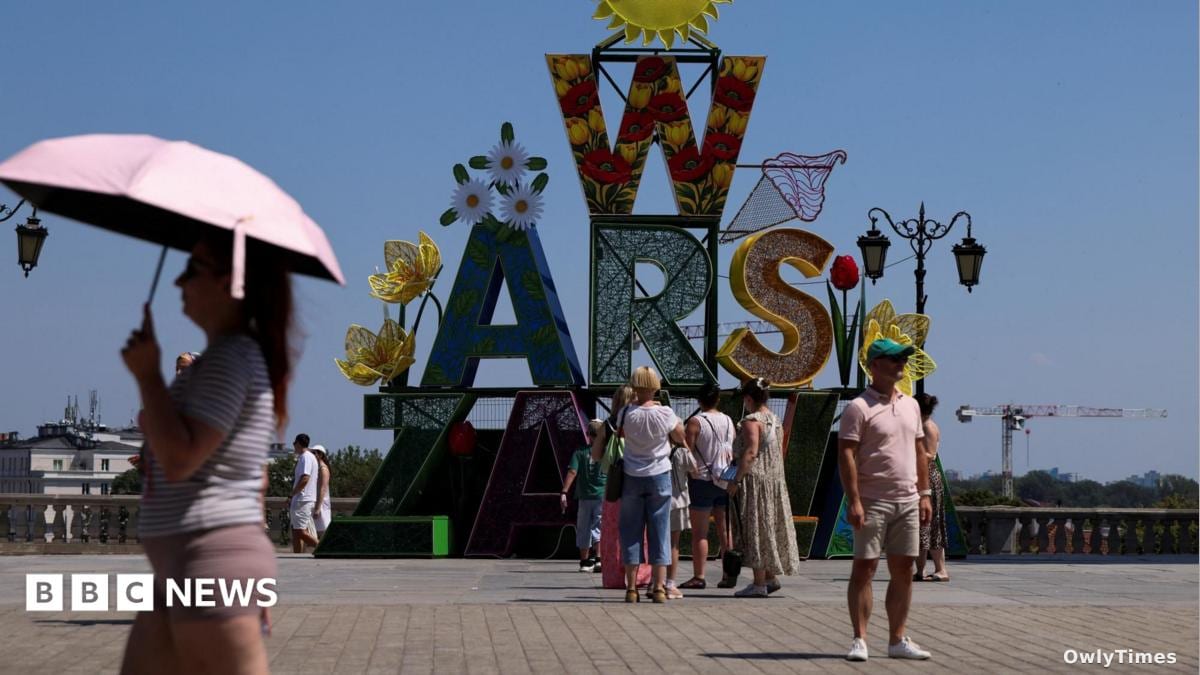
Our cities are essentially giant heat batteries. The Independent cites climate scientist Vijay Limaye, who explains that the concentration of concrete, asphalt, and steel retains heat long after the sun goes down, meaning the number on your weather app often fails to reflect the true, stifling reality of walking down a city street.
To combat this, New York City is leaning on tech-enabled interventions. WIRED reports that the city is using LinkNYC kiosks—the modern replacements for old payphones—to display directions to the nearest cooling centers. Mayor Zohran Mamdani has also mobilized cooling vans, which The Guardian reports are staffed with medical personnel to provide water, electrolytes, and wellness checks. These aren't just gadgets; they are the frontline of a public health strategy that has become necessary as heat waves grow more frequent.
When Hype Meets Humidity
While tech infrastructure is being repurposed for safety, large-scale public events are hitting a wall. Philadelphia, for instance, is hosting a FIFA Fan Festival on July 4th. WIRED reports that the city has been forced to shift the event hours to the evening, though even at 5 p.m., the heat index is expected to remain well above 100F.
The pressure isn't just on attendees; it’s on the grid. Business owners are being asked to set thermostats to 78 degrees to prevent local power systems from failing, a move backed by the Department of Energy’s recommendations. Even sports aren't immune to the forecast. While the PGA Tour’s John Deere Classic proceeds in the Quad Cities, the extreme weather serves as a backdrop to a weekend where both elite athletes and ordinary fans are forced to navigate the logistical hurdles of a warming climate, according to CBS Sports.
The Cost of Denial
We are moving past the point where heat is a seasonal inconvenience. A study from Yale University cited by WIRED found that heat-related deaths in the U.S. nearly doubled over the last two decades, jumping from an annual average of 2,670 between 2000 and 2009 to over 4,000 between 2010 and 2020.
The signal here is clear: our current emergency response protocols, like those activated by New York City as early as May 19th, are becoming the baseline rather than the exception. Expect more cities to formalize these "heat emergency plans" in the coming months, shifting from reactive, ad-hoc cooling centers to permanent, integrated infrastructure as extreme heat events continue to outpace existing municipal safety thresholds.