
A "Flying Saucer" Arrives at NASA, Fueling Moon Mission Preparations
Dr. Emily Roberts, Health & Science Writer
The scientific question on many minds this week, particularly those following space exploration, is: what critical components are nearing completion for humanity's return to the Moon? As NASA gears up for the ambitious Artemis 3 mission, a piece of hardware that strikingly resembles a classic science fiction "flying saucer" has arrived at the Kennedy Space Center. This object, however, is not an extraterrestrial visitor but a vital piece of engineering designed to protect a colossal rocket.
Multiple reports confirm the arrival of this distinctive weather cover for the core stage of NASA's Space Launch System (SLS) rocket. According to Space.com, the cover, which bears a strong resemblance to UFO designs from the mid-20th century, was transported aboard NASA's Pegasus barge. This barge, a substantial vessel measuring 310 feet (94.4 meters) in length, is specifically designed to ferry the massive core stage of the SLS. The Artemis 3 mission, a crewed flight intended as a crucial test before further lunar expeditions, relies on the SLS rocket for its journey.
The purpose of this unusual-looking cover is purely functional, aiming to shield the rocket's core stage and its sensitive thermal systems from the often unpredictable weather conditions of Florida's Space Coast. The SLS core stage itself is a monumental piece of engineering, described by Space.com as the tallest rocket stage NASA has ever constructed. It is designed to hold hundreds of thousands of gallons of propellant and support the weight of the rocket's upper stage, payload, and the Orion crew capsule. The success and safety of the Artemis astronauts, as highlighted by Space.com, hinge on the flawless launch of this rocket, making every component, including this weather cover, indispensable.
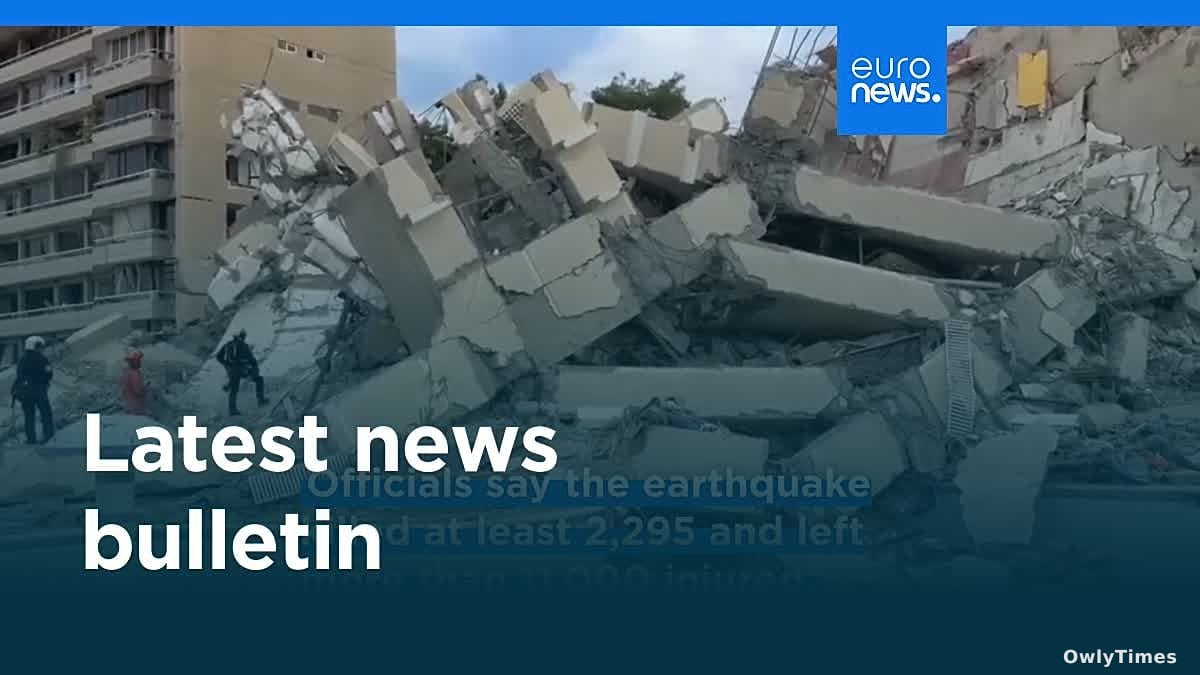
While the arrival of this "flying saucer" is a significant development for the Artemis program, other news cycles are tracking different, though equally impactful, global events. For instance, on July 2nd, 2026, Euronews reported on a wide range of international news, including warnings of a major health crisis looming over Venezuela from an EU Civil Protection expert. The same bulletin also mentioned that Venezuela's death toll had reached at least 2,295 as its medical crisis widened, a somber figure underscoring the severity of the situation.
In the economic sphere, Fortune provided an update on the price of oil as of July 1, 2026. The benchmark Brent crude oil was trading at $72.68 per barrel at 8:40 a.m. Eastern Time. This represented a decrease of $2.34 from the previous morning and was approximately $4.34 higher than at the same time the previous year. The article delves into the complex factors influencing oil prices, emphasizing that while supply and demand remain primary drivers, geopolitical events and economic slowdown fears can cause sharp fluctuations.
Meanwhile, for those more interested in entertainment and consumer deals, WIRED published a guide to Paramount+ coupon codes and deals for July 2026. The article highlights popular content available on the streaming service, including "South Park," "Yellowstone," and "Dexter & Dexter," alongside new releases and discounts for students and military members. While this report focuses on streaming services, it indirectly touches upon broader economic trends by discussing subscription costs and savings strategies for consumers.
Limitations to Consider:
It's important to distinguish what these reports are actually saying from potential sensationalized headlines. The "flying saucer" at NASA, while visually striking, is a functional protective cover, not evidence of extraterrestrial contact. Similarly, while the oil price report from Fortune offers specific figures, predicting future oil prices remains inherently uncertain due to the multitude of influencing factors. The Euronews report, by presenting a bulletin of various global events, offers a snapshot of the day's news without delving deeply into any single issue. The WIRED article, focused on consumer deals, provides practical information for subscribers but does not engage with the scientific or geopolitical developments.
Next Steps and Why They Matter:
The arrival of the weather cover marks a tangible step forward for the Artemis 3 mission, underscoring the ongoing progress towards returning humans to the lunar surface. The SLS rocket's successful launch is paramount to this endeavor, and ensuring its components are protected and operational is crucial. Future updates on the Artemis program will likely focus on the integration of other critical systems and the timeline for crewed flights.
In the broader context, understanding the dynamics of oil prices, as reported by Fortune, remains vital for global economic stability. Fluctuations in oil prices can impact everything from transportation costs to the price of manufactured goods, influencing inflation and consumer spending worldwide. Continued monitoring of these trends and the geopolitical events that shape them will be essential.
The health crisis in Venezuela, as highlighted by Euronews, serves as a stark reminder of ongoing humanitarian challenges. Further reporting on the situation and the efforts of international organizations like the EU Civil Protection will be crucial in understanding the scope of the crisis and potential avenues for aid.
Finally, while the WIRED article focuses on entertainment, the streaming industry's economic impact and the availability of content are part of the larger economic landscape. The continued evolution of streaming services and their pricing models reflect broader consumer behavior and market trends.
The scientific community will be keenly observing the progress of the Artemis program, eager for the next milestones in lunar exploration. The successful deployment of the SLS rocket and the subsequent Artemis missions will not only expand our knowledge of the Moon but also pave the way for future deep-space exploration.