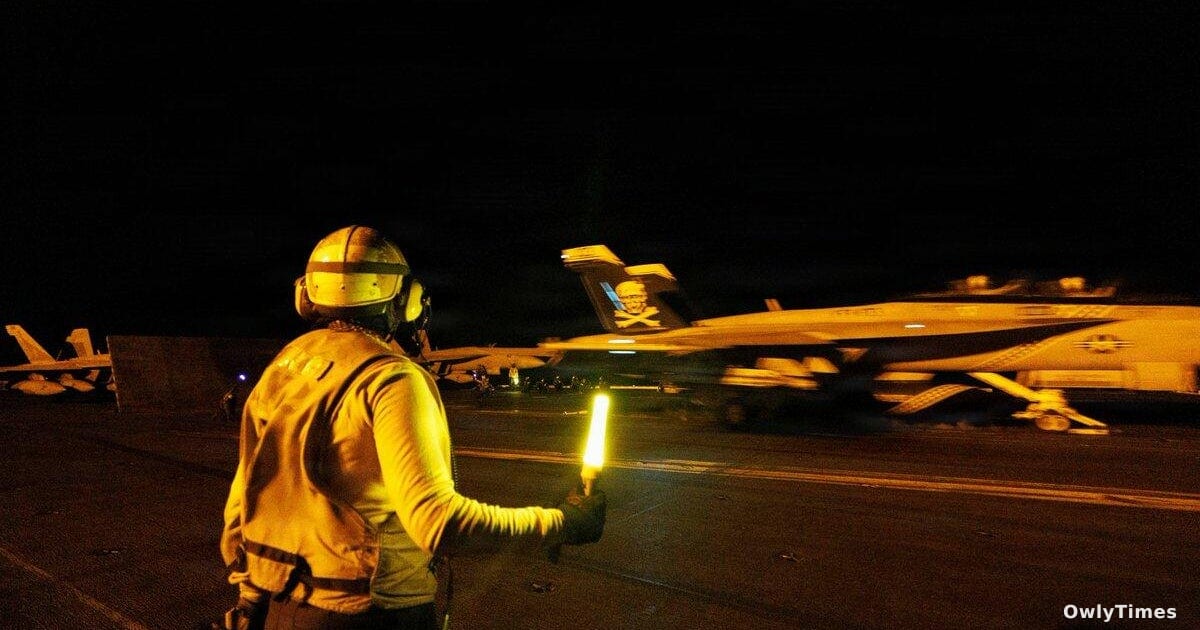

$88 per barrel is the new benchmark for Brent crude as of Friday afternoon, a $4 spike that underscores the volatile intersection of military escalation and global energy security in the Strait of Hormuz. As the U.S. military enters its seventh consecutive night of airstrikes against Iranian infrastructure, the conflict has moved beyond isolated skirmishes into a systemic disruption of the world’s most vital maritime chokepoint, which historically accounts for roughly 20% of global oil and gas supply.
Follow the money and the movement of goods, and the picture is one of paralysis. According to CNBC, traffic through the strait has plummeted to a three-week low, with data from Kpler confirming only eight ships made the transit on Thursday, down from 15 the previous day. This represents a staggering decline from the pre-conflict volume of over 100 ships per day, as reported by CNBC. The risk-reward calculus for commercial shippers has shifted from financial gain to existential caution; Dimitris Maniatis, CEO of maritime risk firm Marisks, told CNBC that the situation is now a "worse-case scenario" where crews are refusing to sail, regardless of the potential for profit.
The current escalation stems from the disintegration of a mid-June memorandum of understanding between Washington and Tehran. While The Guardian notes the deal was intended to keep the strait open, both sides adopted competing transit protocols. The U.S. has reimposed a naval blockade of Iranian ports, a move confirmed by CBS News to include the redirection of four commercial vessels and the disabling of at least one tanker, the M/T Belma, for attempting to break the perimeter. In response, Iran is leveraging its regional influence, with The Guardian reporting that Tehran has signaled to Houthi allies in Yemen the potential to close the Red Sea route, a move that would effectively choke off the primary alternative for Saudi oil exports.
The human and physical toll is mounting, though reports vary on the specific impact of the latest strikes. The Guardian cites Iranian health ministry spokesperson Hossein Kermanpour stating that 38 people were killed and 400 wounded by Friday morning. Conversely, CBS News reports on a separate escalation in Iraq, where drone and rocket strikes killed nine members of an exiled Kurdish party, an attack the Kurdish government and the party itself have blamed on Tehran. Additionally, CBS News reports that several U.S. service members were injured following Iranian strikes on Jordanian bases, highlighting the widening geographic scope of the conflict beyond the Hormuz waterway.
For investors and consumers, the takeaway is clear: the volatility in energy markets is no longer a temporary fluctuation but a structural reality tied to the "new status quo" Tehran is attempting to enforce. As noted by Gregory Brew of the Eurasia Group in NPR, the conflict is fundamentally about who possesses the authority to grant transit clearance in international waters. With insurance premiums for shipping likely to surge and transit volumes restricted to a "trickle," the upward pressure on Brent crude is expected to persist until a verifiable diplomatic mechanism—currently absent, per NPR—is established to guarantee safe passage. Watch for updates on U.S. military assessments of the blockade’s efficacy as the primary indicator for potential price stabilization or further escalation.