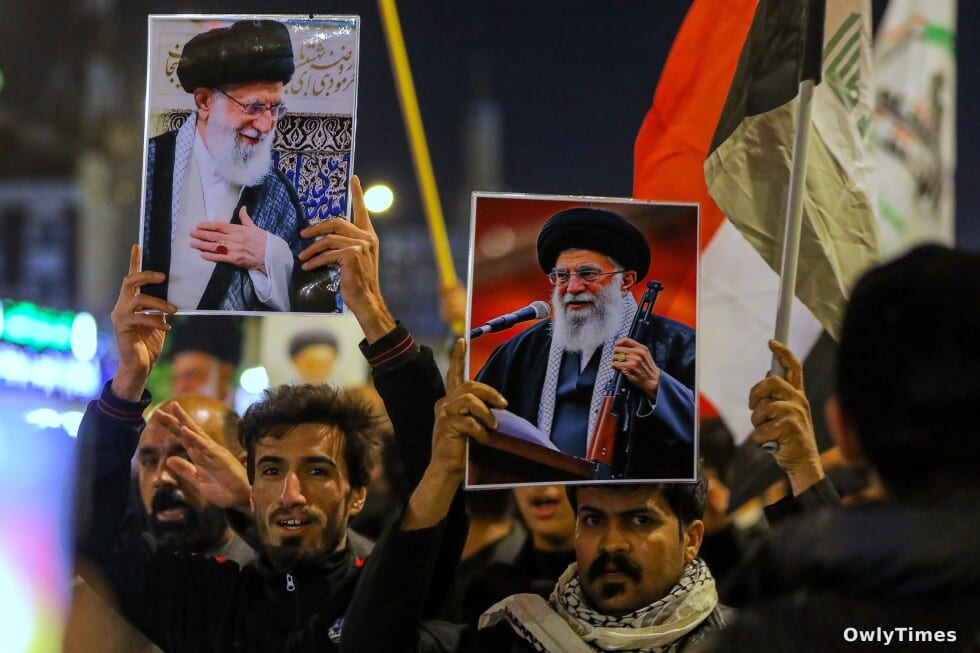

The calculated gamble to eliminate Ayatollah Ali Khamenei, coupled with the simultaneous strikes against Iranian military infrastructure, wasn’t a spontaneous escalation – it was a strategic provocation designed to test the limits of Iranian retaliation and redraw the red lines in a decades-long shadow war. The immediate consequences – a multi-front conflict stretching from Tehran to the Gulf, the accidental downing of American aircraft by Kuwaiti forces, and a surge in global oil prices – were predictable, and likely factored into the risk assessment. This wasn’t about achieving a quick victory; it was about establishing a new, demonstrably forceful deterrent against Iran’s regional ambitions, even at the cost of wider instability.
The unfolding crisis reveals a clear, if brutal, calculus of who benefits and who loses. Israel, under pressure from domestic hardliners and facing a shifting geopolitical landscape, gains a temporary reprieve from direct threats and a chance to assert military dominance. The United States, despite the accidental loss of F-15E Strike Eagles and the deaths of four troops, aims to reassert its influence in the region and protect vital energy interests. Conversely, Iran suffers a devastating blow to its prestige, military capabilities, and economic stability, while facing the very “total war” it long threatened. Regional actors like Saudi Arabia and the United Arab Emirates, while ostensibly allies in this conflict, are now directly in the crosshairs of Iranian retaliation, as evidenced by attacks on oil infrastructure and casualties reported in both countries. The broader global economy, reliant on stable oil supplies, is also a clear loser.
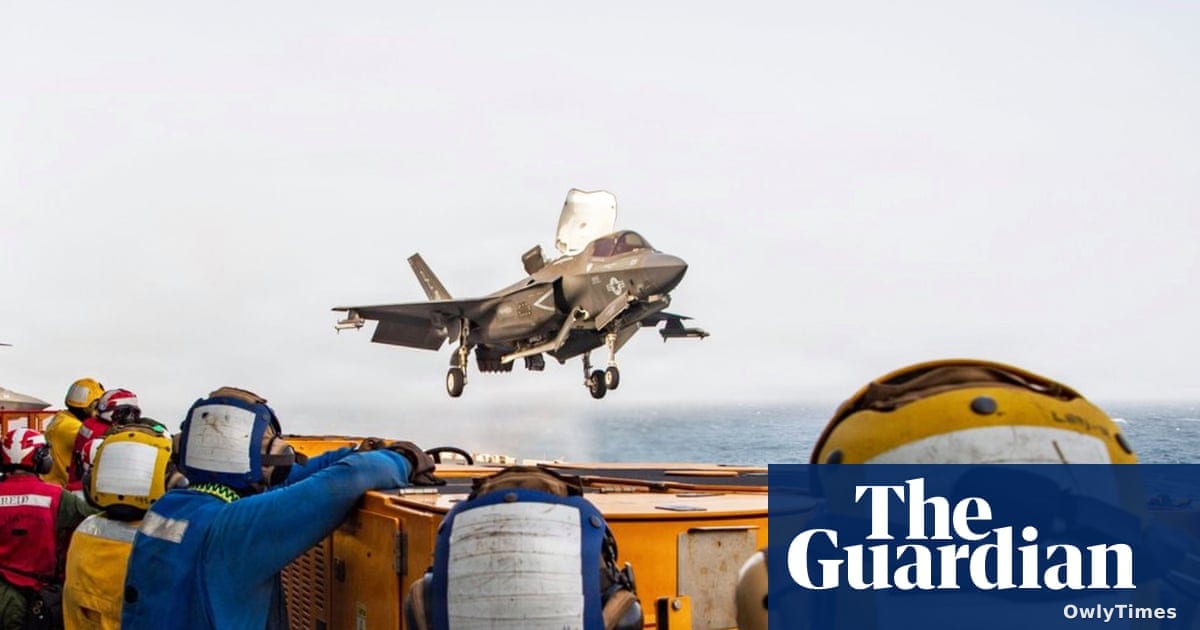
The incident involving the Kuwaiti air force mistakenly shooting down three American F-15E Strike Eagles is not merely a tragic accident; it’s a symptom of the chaotic and rapidly escalating nature of the conflict. The fog of war, compounded by the simultaneous deployment of multiple air assets from different nations, created a perfect storm for misidentification. This echoes the “friendly fire” incidents that plagued the early stages of the 1991 Gulf War, highlighting the inherent dangers of complex, multi-national military operations. More importantly, it underscores the breakdown in communication and coordination that characterizes this crisis, raising the specter of further unintended consequences. The fact that all six pilots ejected safely mitigates the immediate diplomatic fallout, but the incident serves as a stark warning about the potential for escalation.
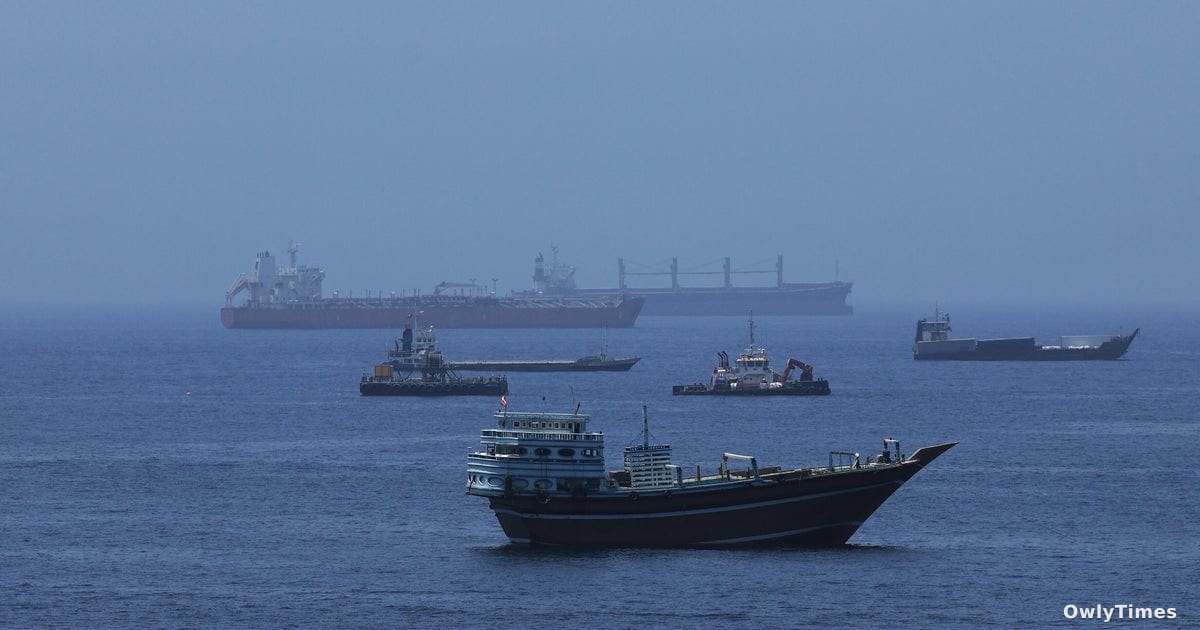
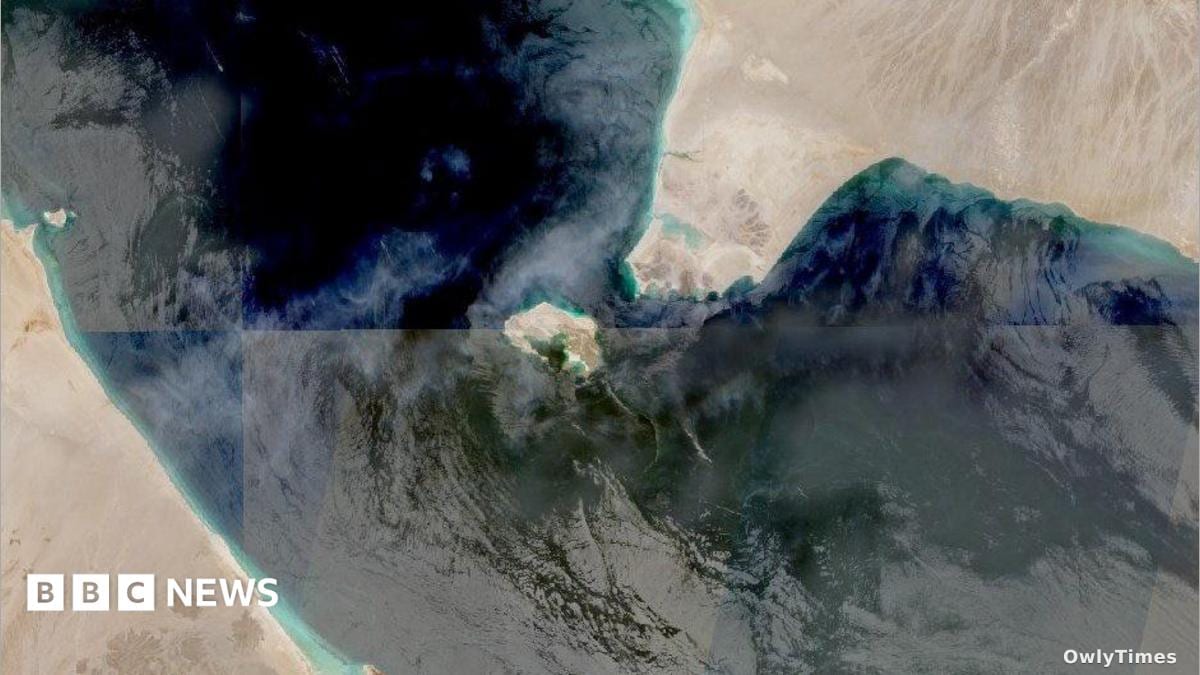
The targeting of Iran’s energy infrastructure – QatarEnergy’s LNG production and the Ras Tanura refinery in Saudi Arabia – signals a deliberate attempt to cripple Iran’s economic leverage and disrupt global energy markets. This tactic mirrors the oil embargoes and strategic bombing campaigns employed during World War II, aimed at denying resources to enemy nations. Torbjorn Soltvedt of Verisk Maplecroft correctly identifies this as a “significant escalation,” but the long-term implications are even more profound. A sustained disruption to oil supplies could trigger a global recession, further destabilizing the region and potentially drawing in other major powers. The attack on the oil tanker in the Gulf of Oman, resulting in one fatality, adds another layer of complexity, demonstrating Iran’s willingness to target maritime traffic.
Original reporting: AP.
President Trump’s rhetoric, including claims of sinking Iranian warships and urging Iranians to “take over” their government, is a calculated attempt to exploit internal divisions within Iran and delegitimize the current regime. This strategy, reminiscent of Cold War-era propaganda campaigns, aims to create an environment conducive to regime change. However, the lack of any discernible uprising within Iran suggests that this tactic is failing to gain traction. The vow from Ali Larijani, Iran’s top security official, that “We will not negotiate with the United States” underscores the hardening of positions and the diminishing prospects for a diplomatic resolution. The targeting of the Natanz nuclear enrichment site, while unacknowledged by the U.S. and Israel, further complicates the situation, raising concerns about Iran’s potential to accelerate its nuclear program in response.
The attacks by Hezbollah on Israel, and Israel’s subsequent strikes on Lebanon, demonstrate the risk of the conflict expanding beyond a direct confrontation between Iran and the U.S./Israel. Hezbollah’s involvement, the first in over a year, signals Iran’s willingness to activate its proxy network to exert pressure on Israel. The Lebanese government’s condemnation of Hezbollah’s attacks highlights the internal tensions within Lebanon, a country already grappling with economic and political instability. The attacks on U.S. forces in Iraq, claimed by the Iraqi Shiite militia Saraya Awliya al-Dam, further illustrate the potential for the conflict to spill over into other regional hotspots.
The political chess move to watch next isn’t a military maneuver, but a diplomatic one. All eyes are on whether China will leverage its economic and political ties with Iran to mediate a ceasefire. Beijing’s reluctance to condemn Iran’s actions, coupled with its growing strategic partnership with Tehran, positions it as a potential back channel for negotiations. However, China’s primary concern is maintaining access to Iranian oil, and its willingness to intervene will depend on whether the conflict threatens that vital interest. The question is not if China will act, but when and under what conditions.