
Is the petrodollar about to become a geopolitical detonator? That’s the question swirling around Robert Kiyosaki’s latest pronouncements, and it’s a far cry from the usual “buy real estate” advice. The Rich Dad Poor Dad author isn’t predicting a market correction; he’s forecasting a potential global conflict, and the roots, he argues, were planted half a century ago. The real story here isn’t about one man’s gloomy predictions – it’s about a fundamental shift in the global financial order that most people haven’t even registered, and the very real consequences it could have on your gas prices, your grocery bills, and ultimately, your security.
The 1974 Shift: From Gold to Crude
On Saturday, Kiyosaki took to X (formerly Twitter) to pinpoint 1974 as a watershed year. He identified two key events that, in his view, are now coming to a head. The first, and most critical, was the agreement between the United States and Saudi Arabia to price oil in U.S. dollars. This wasn’t a natural market outcome; it was a deliberate policy decision. Before 1974, the dollar was still theoretically linked to gold, a system abandoned by President Nixon in 1971. But the deal with Saudi Arabia effectively swapped one backing for another – gold for oil. This created the “petrodollar,” and it fundamentally altered the global power dynamic. Think of it like this: instead of everyone trusting the U.S. because of its gold reserves, they needed dollars to buy the resource that powered the world.
See the original Yahoo Finance story for the full account.
This arrangement wasn’t just about economics. It was about control. Nations needing oil were forced to hold dollars, bolstering the U.S. currency’s global dominance. For decades, this system worked, allowing the U.S. to exert significant influence on the world stage. But the world has changed. Countries like China and Russia are actively seeking alternatives to the dollar, and the rise of BRICS nations signals a growing desire for a multipolar world – one where the U.S. doesn’t hold all the cards. The petrodollar, once a source of American strength, is now looking increasingly vulnerable.
Why 2026 Matters, According to Kiyosaki
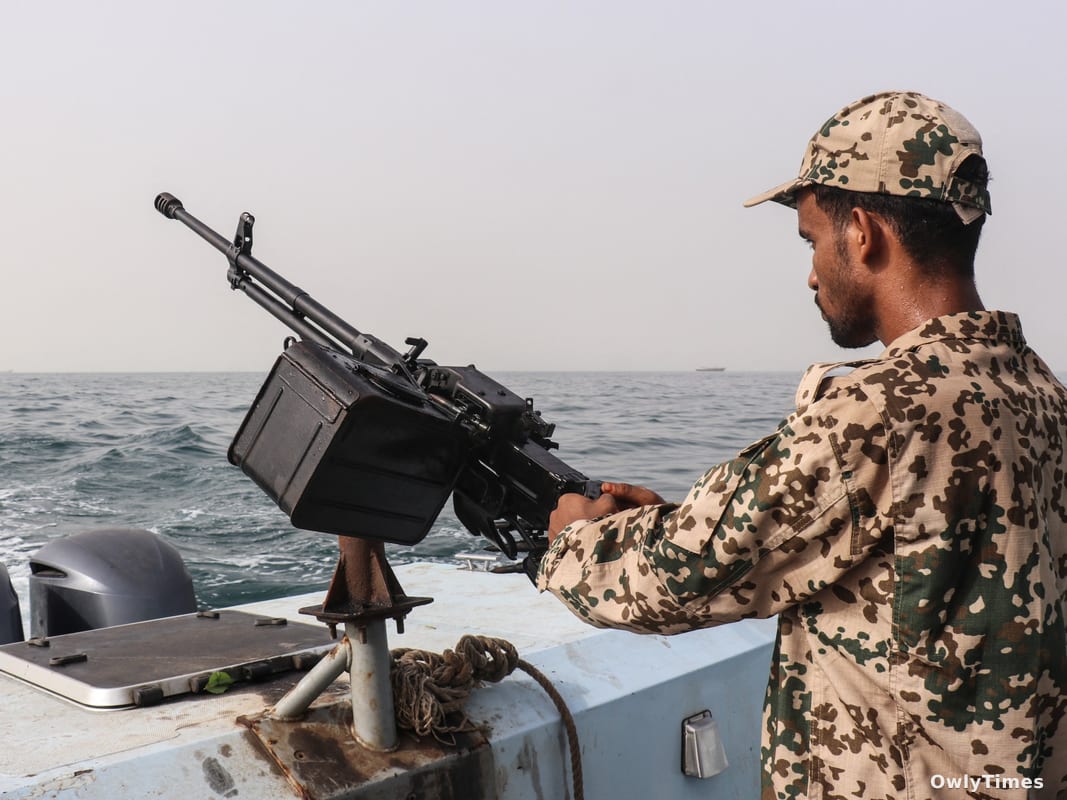
Kiyosaki doesn’t stop at identifying the problem; he offers a timeline. He believes the tensions surrounding the petrodollar will culminate in 2026, potentially triggering a world war over oil. This isn’t a prediction to dismiss out of hand. The current geopolitical landscape is already fraught with conflict. The war in Ukraine has exposed the fragility of energy supplies, and tensions in the Middle East are perpetually simmering. The increasing willingness of nations to bypass the dollar in trade – Russia selling oil to India in rubles, for example – is a direct challenge to the existing order.
The author’s concern isn’t simply about economic disruption, though that’s certainly a factor. He’s suggesting that as the petrodollar’s influence wanes, the competition for access to oil resources will intensify, potentially leading to military clashes. It’s a bleak outlook, but it’s rooted in a clear understanding of how financial leverage translates into geopolitical power. Consider the historical precedent: resource wars aren’t new. Control of vital resources has been a driver of conflict for centuries.
The Ripple Effect on Everyday Life
This isn’t just a story for Wall Street traders and foreign policy wonks. The potential collapse of the petrodollar system has very real implications for ordinary people. A scramble for oil would inevitably lead to soaring prices at the pump, impacting everything from commuting costs to the price of goods transported across the country. Inflation, already a concern for many families, could spiral out of control. Beyond economics, a global conflict would have devastating consequences for international trade, travel, and security.
The average consumer is largely unaware of the intricate financial mechanisms underpinning their daily lives. We see gas prices go up, we feel the pinch of inflation, but we rarely connect those experiences to the broader geopolitical forces at play. That’s precisely why Kiyosaki’s warning, however alarming, is worth considering. It forces us to confront the uncomfortable truth that our economic well-being is inextricably linked to the stability of a system that is increasingly under threat.
Beyond the Headlines: What to Watch For
Kiyosaki’s warning is a stark reminder that financial stability isn’t guaranteed. The petrodollar system, for all its flaws, has provided a degree of predictability for decades. Its potential unraveling represents a fundamental shift in the global order. The real story here isn't about Kiyosaki being a doomsayer – it’s about recognizing the cracks in a system most people assume is immutable.
Over the next 18 months, watch closely for two key indicators: the increasing volume of oil traded in currencies other than the dollar, and any escalation of military tensions in major oil-producing regions. Specifically, pay attention to whether Saudi Arabia begins to openly explore pricing oil in currencies like the yuan. If that happens, consider it a flashing red warning light. The petrodollar’s days may be numbered, and the world as we know it could be about to change.