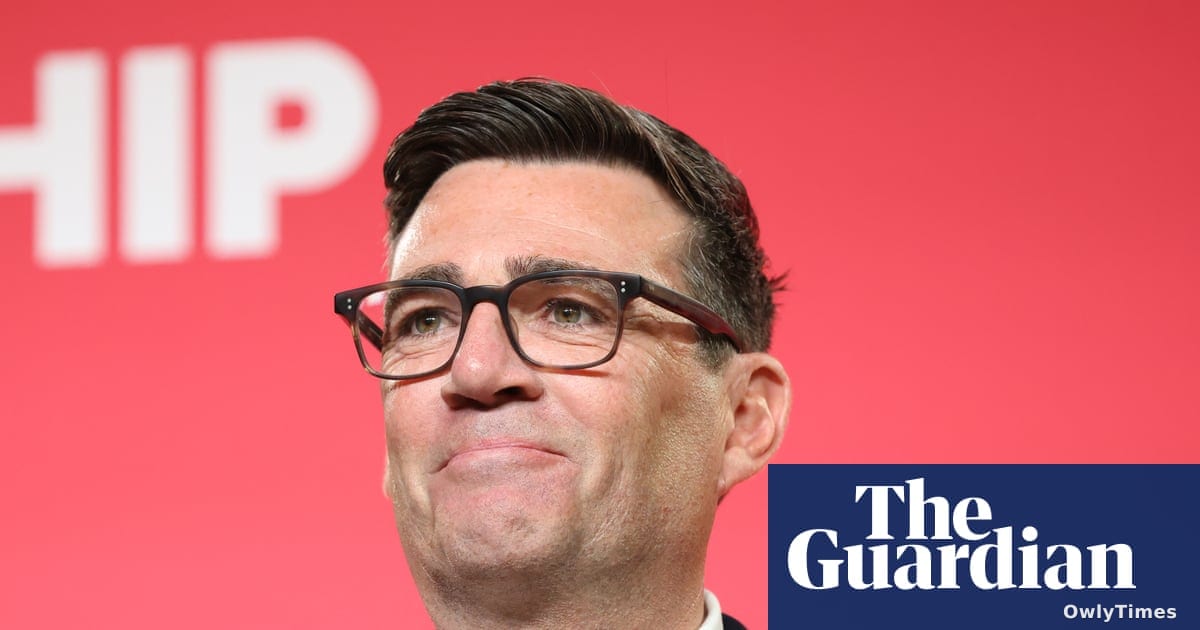

Andy Burnham’s ascent to the leadership of the Labour Party—and his impending transition to Downing Street—is a calculated maneuver to arrest the party’s electoral slide by pivoting from the technocratic rigidness of his predecessor to a model of regional devolution and populist appeal. By positioning himself as an "outsider" who understands the post-industrial "heartlands," Burnham is attempting to reclaim the working-class voters who have increasingly drifted toward the right-wing populist Reform UK. The strategic calculus here is clear: replace the perceived "London-centric" governance of Keir Starmer with a "Manchesterism" that emphasizes local authority, thereby re-energizing a disillusioned base before the next national election, which is not required until 2029, according to ABC News.
The transfer of power, confirmed on Friday at a special party conference in London, was effectively a coronation. While The Guardian reports that Burnham won the overwhelming support of MPs, trade unions, and party branches, ABC News provides the specific scope of that mandate: Burnham secured nominations from 379 of the 403 Labour lawmakers in the House of Commons. This near-unanimous support stands in sharp contrast to his previous failed leadership bids in 2010 and 2015, noted by the BBC.
The Cabinet Chessboard
The immediate power dynamic centers on the formation of a new cabinet, a process currently defined by internal friction. Both The Guardian and the BBC highlight the intense speculation surrounding the role of Chancellor. While the left of the party advocated for Ed Miliband, Burnham appears to be leaning toward Shabana Mahmood, a move that has sparked private dissent among senior MPs who view her as an enforcer of Starmer’s unpopular immigration policies. The Guardian notes that business leaders expressed concerns that a Miliband appointment might "spook the markets," suggesting that Burnham’s cabinet choices are as much about placating institutional stakeholders as they are about internal party management.
Who Benefits and Who Loses
The primary beneficiaries of this transition are the regional power centers that stand to gain from Burnham’s proposed decentralization. By promising to shift power from Whitehall to local communities, Burnham seeks to dismantle the centralized political model that has dominated since the 1980s. Conversely, the "soft left" of the Labour Party appears to be the primary loser in the immediate term; having backed Burnham, they now find themselves sidelined by his pivot toward a pro-business, centrist cabinet structure. CBS News highlights the risk of this strategy, noting that Burnham’s shift on issues like immigration—moving from criticizing Starmer’s policies to suggesting even tighter detention capacity—may alienate his base while failing to clearly distinguish his platform from the status quo.
Historical Precedents and Challenges
Burnham has framed his leadership as the most significant political shift in 40 years, explicitly targeting the legacy of Thatcherism as the root of the U.K.’s current structural decay. However, the BBC reminds us that Burnham is the U.K.’s fifth prime minister in four years, a reflection of the high-velocity, low-security nature of modern British governance. Like the 2008 financial crisis or the COVID-19 pandemic, these moments of instability often force leaders to prioritize immediate survival over long-term structural reform. Burnham’s specific pledge to "grasp the nettle" of social care reform, as reported by The Guardian, serves as his primary political gamble; he has vowed to expend significant political capital to fix the system, an area where previous administrations have consistently failed.
The political chess move to watch next is the formal unveiling of the cabinet on Monday. As The Guardian notes, this will follow Starmer’s final visit to Buckingham Palace. The composition of the Treasury and the potential elevation of figures like Jonathan Reynolds or Wes Streeting will signal whether Burnham intends to govern as a true break from the Starmer era or merely as a stylistic reboot of the existing Labour establishment.