
Is the Strait of Hormuz becoming the world’s most expensive toll booth, or is it simply the latest high-stakes theater for 21st-century geopolitical brinkmanship? While headlines focus on the diplomatic posturing in Doha, the real story here isn’t just the stalling of nuclear talks—it’s the fundamental, permanent shift in how the world’s most vital maritime chokepoints are being weaponized for profit.
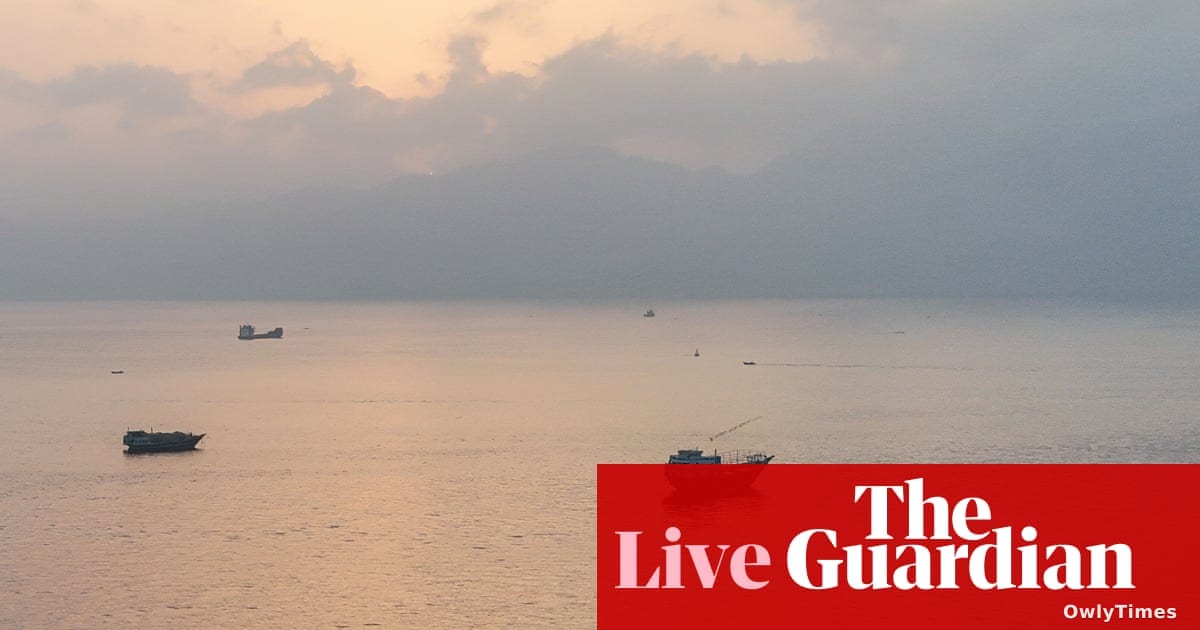
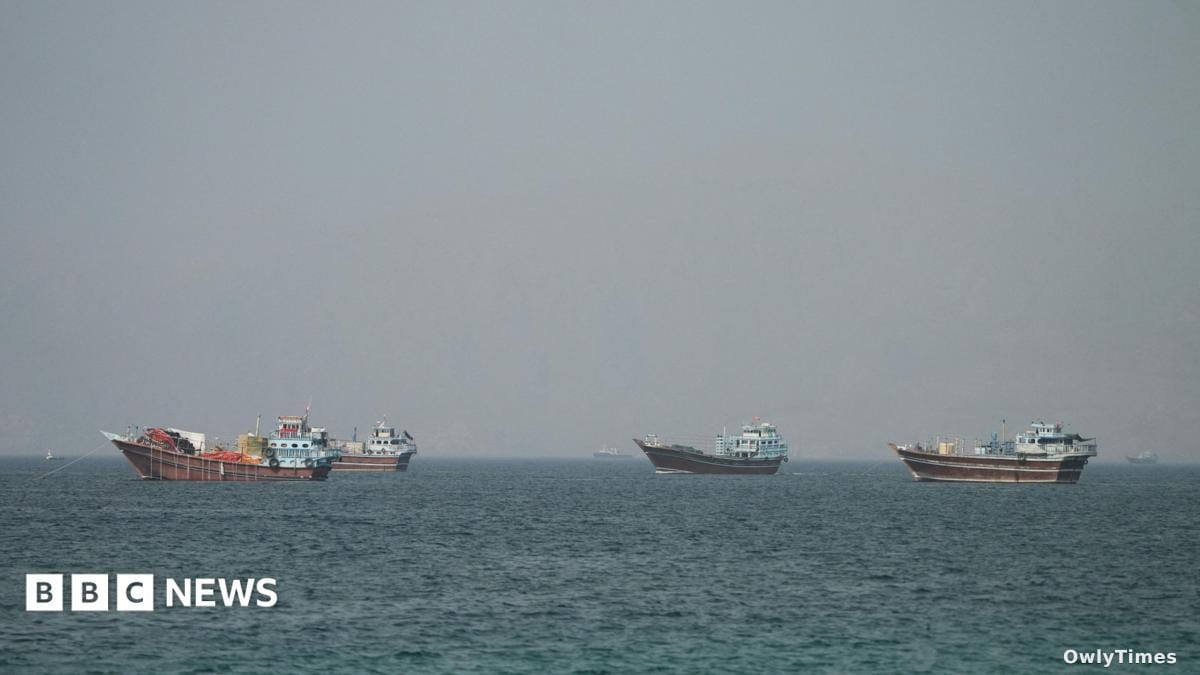
The situation remains as fragile as a glass screen on a concrete floor. According to The Guardian, Iran is currently blocking international efforts to clear mines from the 24-mile-wide waterway, insisting it alone maintains the prerogative to manage the strait. This stance directly contradicts the recent announcement from French President Emmanuel Macron, who stated on June 29 that France and Oman intend to collaborate with international partners on demining operations, as reported by CBS News.
The friction point is a specific interpretation of the June 18 memorandum of understanding (MoU) between Washington and Tehran. While the Guardian notes that the IMO previously thought it had secured Iranian cooperation for a two-lane shipping route, that plan collapsed after an Iranian attack on a Singaporean vessel. Now, Iranian officials are doubling down. Mohammad Bagher Ghalibaf, Iran's top negotiator, recently labeled the strait their “greatest instrument of power,” per Al Jazeera, while deputy foreign minister Kazem Gharibabadi took to X to warn France against “provocations” regarding demining efforts, as noted by CBS News.
For the average user, this isn't just a map-based dispute; it’s a direct tax on your wallet. Mark Zandi, chief economist at Moody’s Analytics, estimates that the broader conflict has already cost American households roughly $1,000 each in elevated fuel and food expenses since February, according to CBS News. Think of the Strait of Hormuz like the primary fiber-optic cable for the global economy—when the connection is intermittent or managed by a hostile gatekeeper, the "latency" in your daily supply chain manifests as higher prices at the pump and the grocery store.
The diplomatic response to this volatility is currently caught in a loop of denial and delay. While the Guardian highlights Oman’s sophisticated legal proposal to charge "service fees" rather than illegal transit tolls—a move designed to comply with Article 43 of the law of the sea—Tehran seems uninterested in standardized commerce. Even as a delegation of Iranian experts prepares to head to Doha this week, Iranian Foreign Ministry spokesman Esmaeil Baqaei explicitly stated that no negotiation meetings with U.S. officials are scheduled, per CBS News.
We are witnessing the end of the era of "unfettered" maritime passage. As Aaron David Miller of the Carnegie Endowment for International Peace observed via CBS News, the "genie is out of the bottle." Iran is actively seeking remuneration for the use of these waterways, effectively weaponizing geography to offset the impact of sanctions.
The next indicator to watch will be the outcome of the discussions in Doha. If Iran continues to insist on its maximalist interpretation of the MoU, expect the U.S. and its allies to pivot away from diplomatic demining toward the naval taskforce mentioned by The Guardian, effectively turning a maritime corridor into a militarized zone.