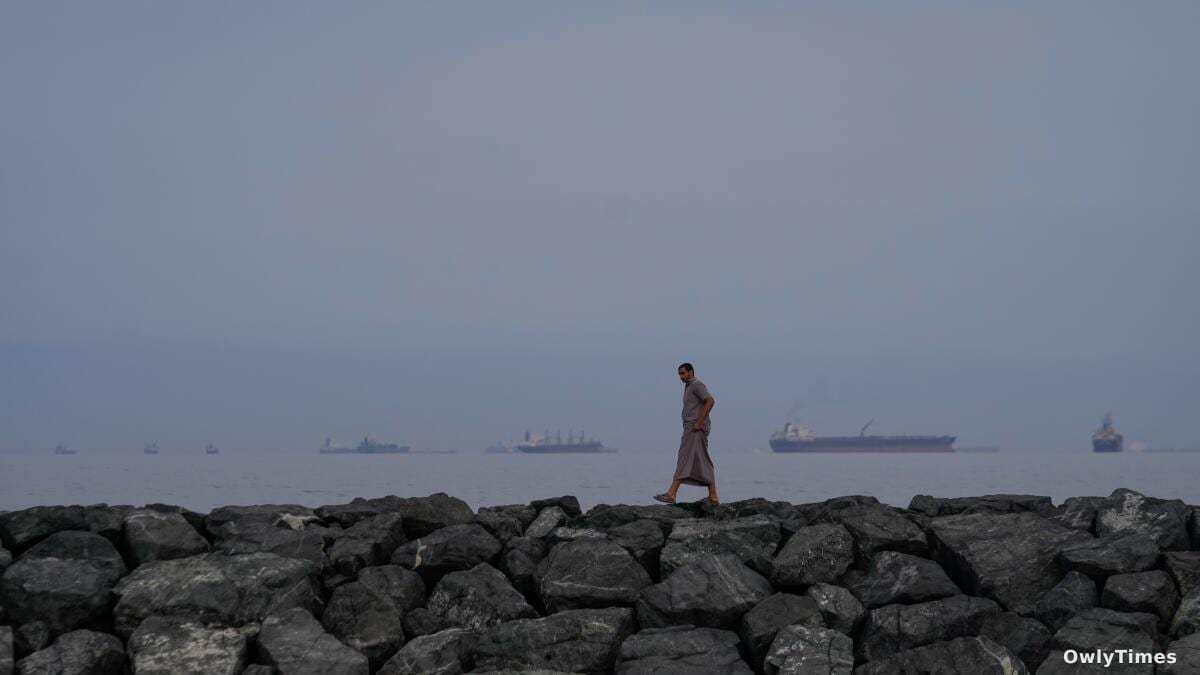

$30 billion in disrupted trade is the quantifiable cost of escalating tensions in the Strait of Hormuz, and the lukewarm response from U.S. allies isn’t simply a diplomatic snub – it’s a calculated risk assessment based on diverging economic interests. President Trump’s public frustration, voiced Monday, isn’t about wounded pride; it’s about a fundamental disconnect between the U.S. security posture and the economic realities faced by nations reliant on that critical shipping lane. Follow the money, and the picture becomes clear: allies are prioritizing their own bottom lines over a conflict they perceive as primarily serving U.S. strategic goals.
The surge in oil prices – exceeding $100 a barrel, a 30% increase since hostilities began on February 28th – is the most immediate consequence. The International Energy Agency designated this as “the largest supply disruption in the history of the global oil market,” a statement that underscores the severity of the situation. This isn’t merely a spike; it’s a systemic shock. For context, the 1990-91 Gulf War saw oil prices peak around $40 a barrel (in today’s dollars). The current disruption is more than double that, impacting everything from gasoline prices to manufacturing costs globally. Trump’s insistence on allied naval support is directly tied to containing this economic damage, but his approach – public shaming and veiled threats – is actively undermining his objective.
The rejection of Trump’s calls for assistance isn’t uniform, but the pattern is striking. French President Emmanuel Macron’s commitment to a “defensive and protective” posture, German Foreign Minister Boris Pistorius’s blunt declaration that “This is not our war,” and similar responses from the U.K., Italy, Spain, Australia, and Japan reveal a shared calculation. These nations are weighing the cost of direct military involvement – potential escalation, geopolitical fallout, and domestic political opposition – against the economic impact of higher oil prices. Their reluctance isn’t necessarily a lack of concern, but a judgment that the risks of intervention outweigh the benefits, particularly given the U.S. initiated the conflict. The fact that South Korea and China haven’t publicly stated their intentions further complicates the situation, hinting at a desire to remain neutral and protect their own trade interests.
Original reporting: the Los Angeles Times.
Trump’s contradictory statements – claiming both a need for assistance and an ability to manage the situation alone – expose a deeper strategic ambiguity. His comment that he’s “doing it, in some cases, not because we need them, but because I want to see how they react” suggests a testing of alliances, but risks alienating potential partners. This is compounded by his questioning of the value of NATO, echoing past criticisms and creating uncertainty about the long-term U.S. commitment to collective security. The economic implications are significant: a fractured alliance structure increases geopolitical risk, potentially leading to further supply disruptions and price volatility. Even the suggestion of retaliatory measures against uncooperative allies, floated during a meeting with House Speaker Mike Johnson (R-La.), introduces a destabilizing element into an already volatile situation.
The European Union’s position, as articulated by top diplomat Kaja Kallas, highlights the core tension. While acknowledging that “Europe’s interests are directly at stake,” she also emphasized that “This is not Europe’s war.” This encapsulates the prevailing sentiment: a recognition of the economic consequences, coupled with a reluctance to become entangled in a conflict initiated by the U.S. The U.K.’s initial refusal to support U.S. military operations, followed by a softening of its stance after Trump’s public criticism, demonstrates the pressure being applied, but also the limits of its effectiveness. The fact that Trump initially mocked Prime Minister Keir Starmer as “no Winston Churchill” underscores the personal nature of the diplomatic friction.
What this means for your wallet: expect continued volatility in energy prices. The current situation isn’t about a temporary spike; it’s about a fundamental shift in the geopolitical landscape of energy supply. Even if the immediate crisis is resolved, the erosion of trust between the U.S. and its allies will likely lead to increased risk premiums in oil prices, meaning consumers will pay more at the pump and businesses will face higher operating costs. The key question now is whether Trump will double down on his confrontational approach, potentially escalating the conflict and further disrupting global trade, or whether he will seek a more collaborative solution, even if it means compromising on his initial demands. Watch closely for any concrete actions taken by China – their silence could be the most telling indicator of where this crisis is headed.