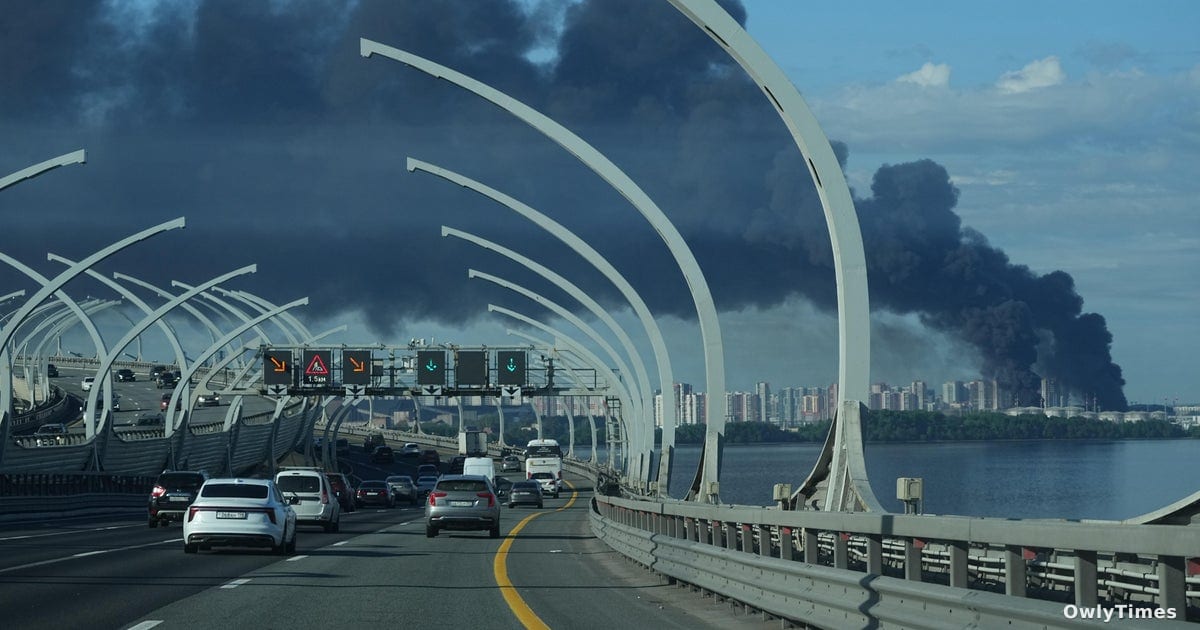

Eight ships transited the Strait of Hormuz on Thursday, a sharp decline from the 15 vessels recorded just 24 hours prior and a fraction of the pre-war daily average of over 100, according to data from trade intelligence firm Kpler. This contraction in global shipping activity marks the latest fallout from an intensifying conflict that saw the United States complete its sixth consecutive night of airstrikes against Iranian military infrastructure early Friday morning.
Follow the money in this conflict and you find a battle for control over one of the world's most vital energy corridors. Prior to the February 28 initiation of hostilities by U.S. and Israeli forces, roughly one-fifth of the world’s oil and gas supply flowed through the Strait of Hormuz. Gregory Brew, a senior analyst at Eurasia Group, notes that Tehran is currently attempting to impose a new status quo, demanding that all vessels coordinate movements and secure clearance through Iranian-controlled channels. Dimitris Maniatis, CEO of maritime risk firm Marisks, characterized the current environment for oil tankers as a "worst-case scenario," noting that fear, rather than financial incentive, is now the primary driver of operational decision-making.
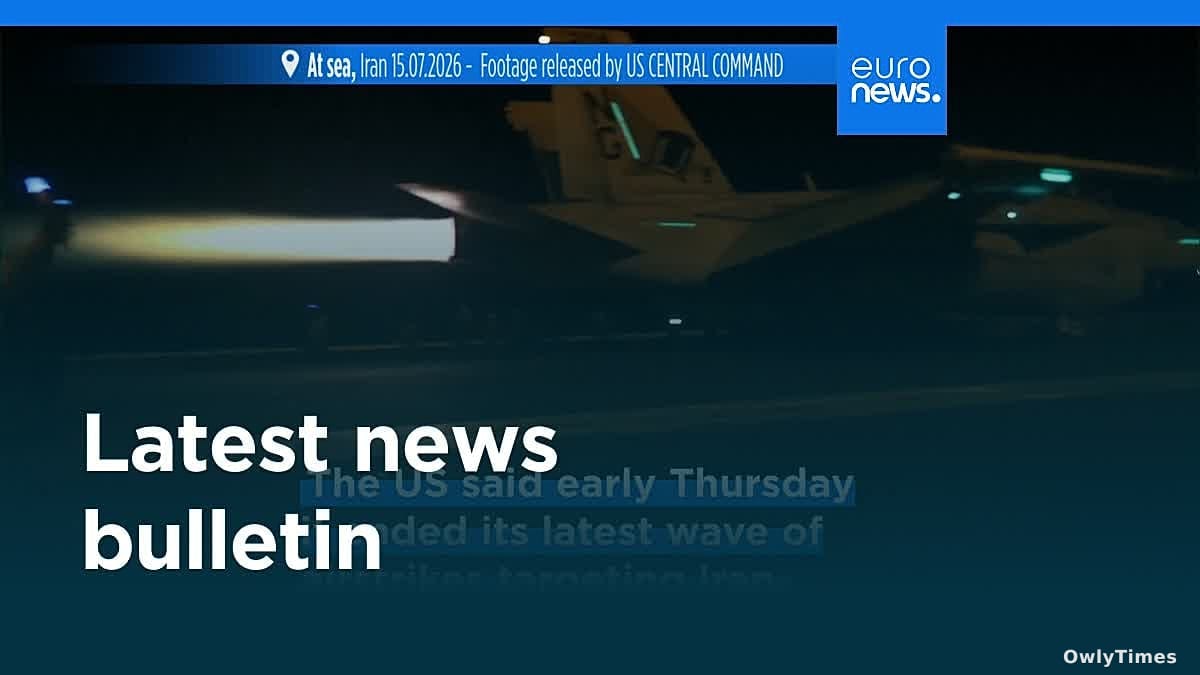
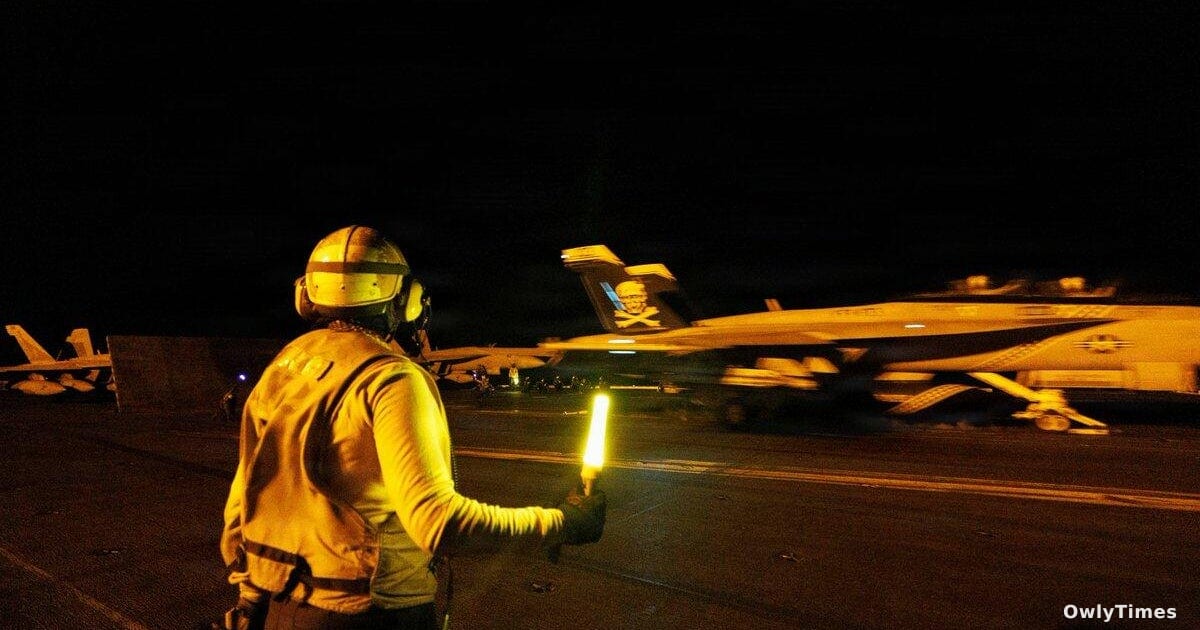
The military theater of this dispute has become increasingly crowded. U.S. Central Command (CENTCOM) reports that more than 50,000 U.S. military personnel are deployed across the Middle East. Friday’s strikes targeted coastal surveillance, air defense sites, and logistics infrastructure, according to CENTCOM. While the U.S. frames these actions as necessary to degrade Iranian capabilities following a collapsed mid-June memorandum of understanding, the cost of the kinetic exchange is mounting. Iranian state media, cited by CBS News, reported three fatalities and nine injuries in the Hormozgan province, with strikes hitting a railway junction in Bandar Abbas and an airport in Iranshahr.
The operational friction is exacerbated by conflicting enforcement regimes. As reported by CNBC, the U.S. has reimposed a naval blockade, leading to the boarding of the M/T Wen Yao and the disabling of the Curacao-flagged M/T Belma. NPR highlights that the maritime industry’s attempt to establish a neutral evacuation route along the Omani coast was effectively scuttled after the Ever Lovely was attacked. Jakob Larsen, chief security officer at BIMCO, confirmed that anti-ship missiles are being utilized in these engagements, rendering the traditional traffic separation schemes within the strait too hazardous for commercial transit.
Market volatility is being further agitated by political noise. On Thursday, Vice President JD Vance publicly dismissed allegations circulating on social media that Iranian officials had sent him private messages accusing Jared Kushner and Steve Witkoff of using sensitive diplomatic negotiations to profit from market movements. Vance labeled the claims "completely bogus," maintaining that the diplomatic team remains focused on regional stability. Meanwhile, White House press secretary Karoline Leavitt confirmed that while the administration remains in communication with Tehran, the U.S. will continue to use force to ensure the strait remains open to non-Iranian traffic.
For investors and consumers, the immediate outlook remains tied to the reliability of shipping lanes. As NPR points out, the lack of established diplomatic mechanisms—such as the Montreux Convention—leaves the Strait of Hormuz uniquely vulnerable to unilateral assertions of control. With at least nine ships attacked since July 6, according to the International Maritime Organization, shipping firms are currently pricing in a high-risk premium. Your wallet is likely to feel the impact through sustained energy price volatility; as long as crews refuse to transit the region due to safety concerns, the supply chain bottleneck will continue to exert upward pressure on global oil and gas benchmarks.