
Is the U.S. government running a global military campaign, or is it simply trying to patch a leaking submarine with duct tape? As the war in Iran enters its fifth month, the White House is finding that geopolitical strategy is a lot like managing a massive cloud server: you can reroute traffic to avoid a bottleneck, but eventually, the hardware itself starts to fail.
The real story here isn’t the diplomatic posturing between Washington and Jerusalem; it’s the fact that the global supply chain has become so brittle that a single regional conflict is now physically rattling the cost of every gallon of fuel and every shipping container on the planet.
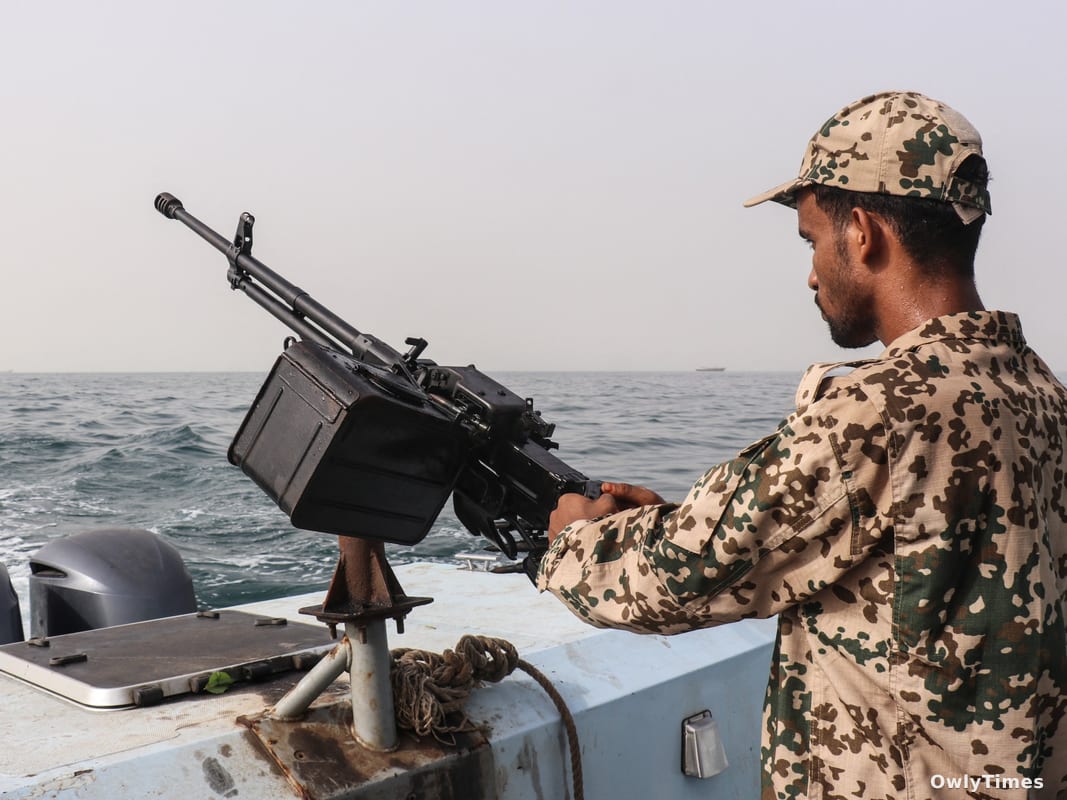
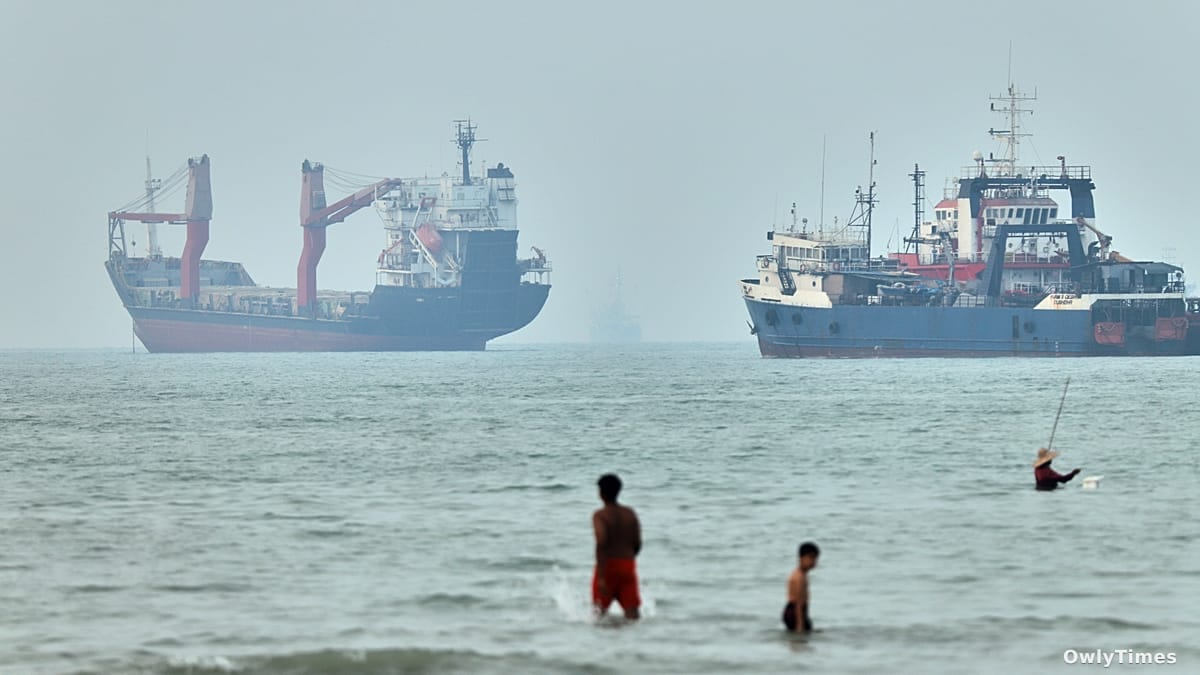
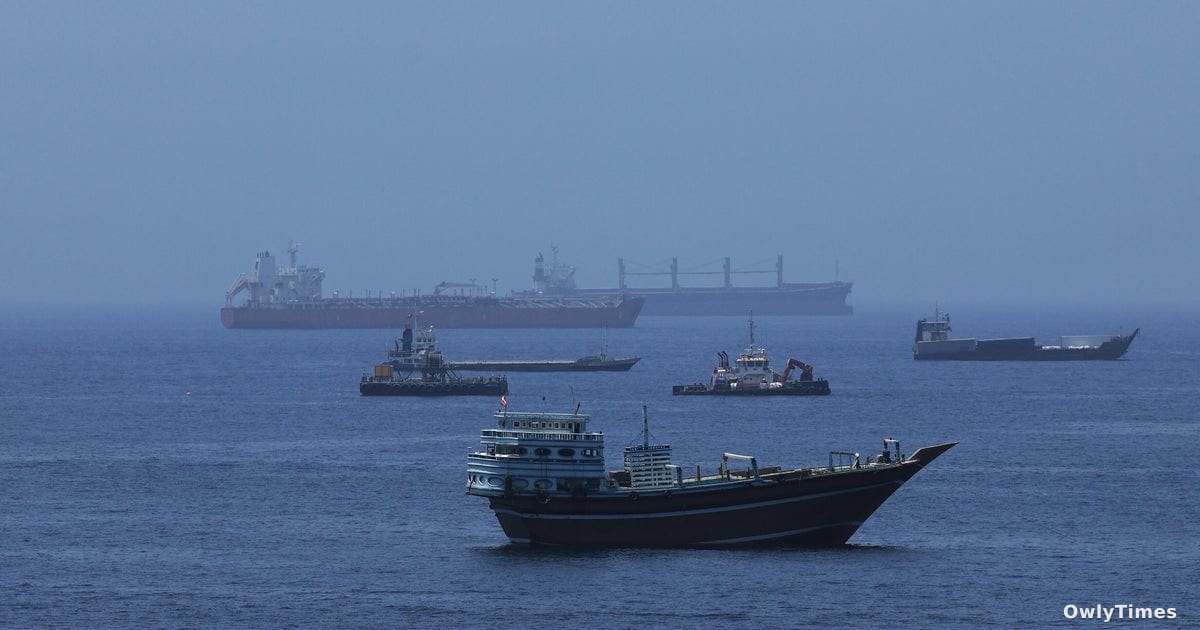
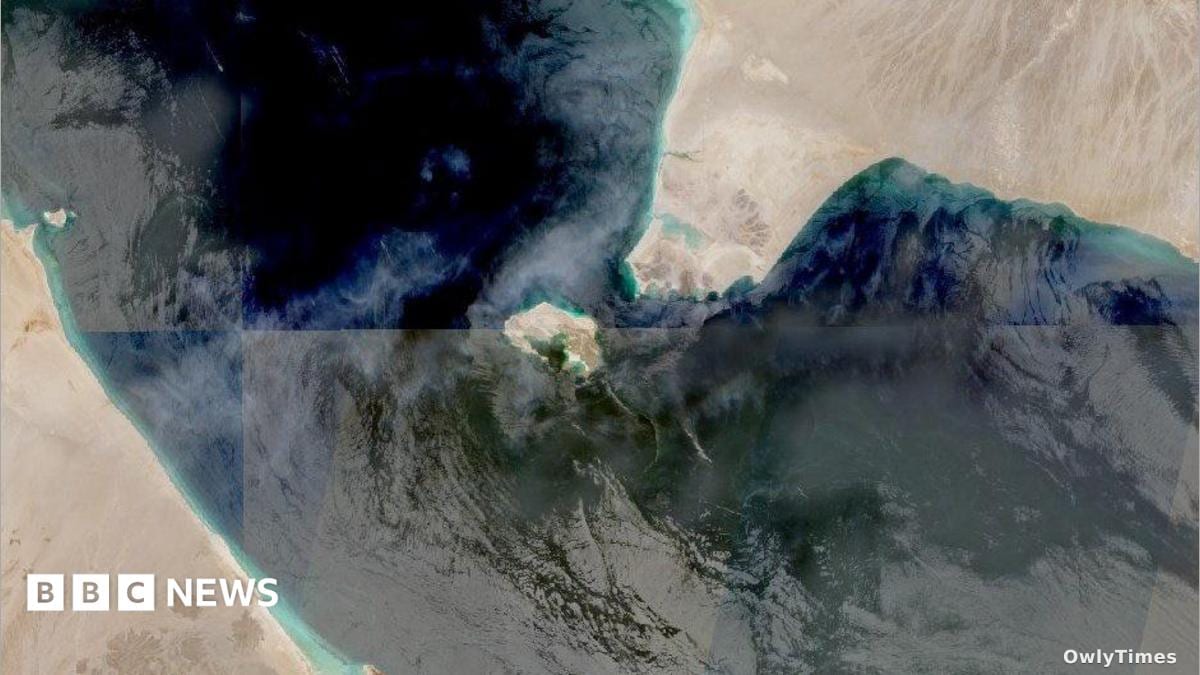
According to Lloyd's List, tanker costs have surged to record highs as the "perfect storm" of the Iran and Ukraine wars creates a domino effect across the Red Sea, the Black Sea, and the Strait of Hormuz. While CBS News highlights that shipping volumes are plummeting due to threats from Iranian-backed Houthi rebels and Russian-linked vessel attacks, the economic reality for the average consumer is a direct result of these interconnected shipping lanes. When insurers hike premiums on massive vessels, those costs don’t just vanish; they get baked into the price of the goods sitting on your doorstep.
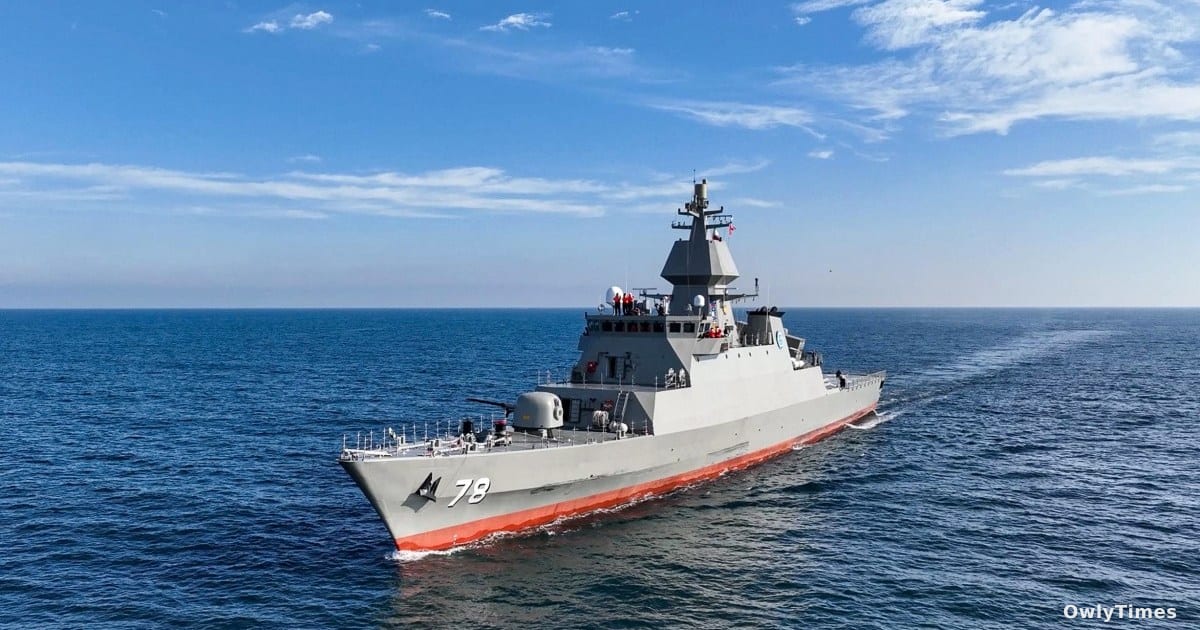
Against this backdrop of economic strain, President Donald Trump and Israeli Prime Minister Benjamin Netanyahu are set to meet at the White House on Tuesday—their first face-to-face encounter since they launched their joint war against Iran in late February, as reported by NPR. While both leaders have publicly downplayed their friction, NBC News notes that the meeting occurs amid reports of diminishing U.S. weapons stockpiles, with the Pentagon already requesting an additional $67 billion in supplemental funding to keep pace.
The political stakes are equally precarious. A Reuters/Ipsos poll cited by The Independent reveals that nearly 7 in 10 Americans feel the administration has failed to clearly explain the goals of this conflict. This lack of clarity is compounded by the human toll; according to NBC News, 18 U.S. soldiers have died since the campaign began. Meanwhile, Iran’s domestic crackdown continues, with the judiciary confirming the execution of two men on Tuesday for their roles in anti-government protests, an event reported by both CBS News and The Independent.
While the White House remains tight-lipped, The Independent reports that mediators from Pakistan, Egypt, and Qatar are waiting on the outcome of this Tuesday meeting before finalizing a proposal to address the "gaping holes" in the current Memorandum of Understanding regarding the Strait of Hormuz.
The signal to watch isn't the press conference rhetoric; it is the status of that mediation proposal. If the White House meeting fails to yield a concrete ceasefire framework, expect the military to return to the "striking" posture President Trump warned of on Monday, a move that would almost certainly drive energy costs even higher before the November elections.