
Are we really talking about de-escalation, or just a strategic repositioning for a longer, uglier fight? The headlines scream “talks” and “negotiations” as more American troops – this time from the 82nd Airborne, the Army’s rapid-response unit – head to the Middle East, joining thousands of Marines already en route. But the real story here isn't a sudden embrace of diplomacy; it’s the cold, hard reality that the U.S. is preparing for sustained conflict, and hoping a show of force will finally compel Iran to the table – on American terms.
President Donald Trump’s claim of negotiations, echoed by mentions of envoys Steve Witkoff and Jared Kushner, feels less like a breakthrough and more like a carefully constructed narrative. Iran, understandably, remains deeply skeptical. After all, this isn’t the first time the Trump administration has initiated talks while simultaneously escalating military pressure. The February 28th strikes that ignited the current war, occurring during previous diplomatic overtures, haven’t been forgotten in Tehran. This history casts a long shadow over any current claims of good faith. The fact that Iranian Foreign Minister Abbas Araghchi acknowledges discussions with counterparts doesn’t necessarily validate Trump’s assertion of direct talks. It could simply be a routine exchange amidst a rapidly deteriorating situation.
The deployment of the 82nd Airborne is particularly telling. Unlike the Marines, geared towards embassy security and humanitarian aid, these soldiers are trained to seize territory. This isn’t a defensive posture; it’s an offensive one. Coupled with speculation about a potential move to seize Kharg Island – a critical node in Iran’s oil network – the picture becomes clear. The U.S. isn’t just trying to protect shipping lanes; it’s aiming to cripple Iran’s economic lifeline. The threat to mine the Gulf, issued by Iran, is a direct response to this perceived aggression, escalating the stakes for global energy markets. Brent crude already nudged over $100 a barrel, a 40% increase since the conflict began, and that’s before any actual disruption to oil flow. For the average consumer, that translates to higher gas prices and increased costs for goods transported by sea – a ripple effect felt far beyond the Middle East.
This piece references the AP report.
The involvement of Pakistan, offering to host talks, is a curious development. While seemingly positive, it also highlights the limitations of direct U.S.-Iran communication. Relying on a third party suggests a lack of trust and a willingness to navigate a complex web of regional politics. The Egyptian official’s focus on “trust-building” is a diplomatic euphemism for acknowledging the monumental obstacles ahead. The priority of preventing attacks on energy infrastructure is, of course, paramount, but it’s a goal that requires genuine cooperation from all parties – something conspicuously absent at the moment. The fact that Israel isn’t involved in these initial talks is also significant, hinting at a potential divergence in strategies and a risk of unilateral action.
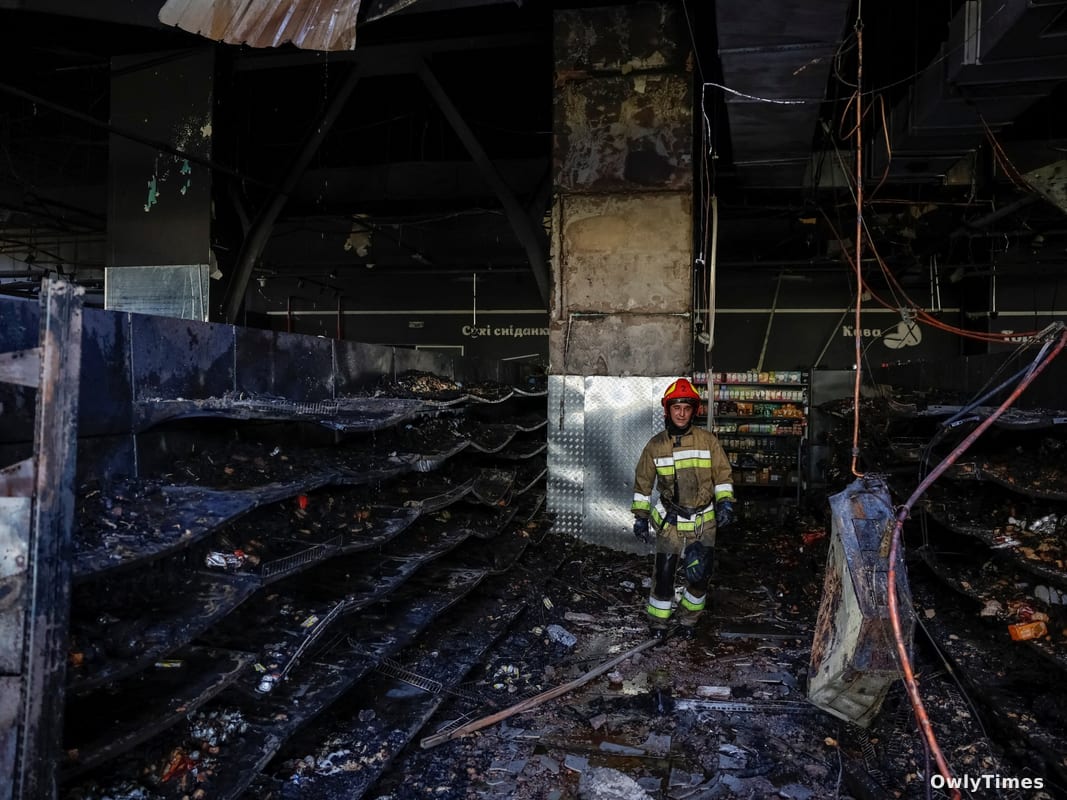
The escalating attacks – Iranian missiles targeting Israel and Gulf states, Israeli strikes on Iranian “production sites” and Beirut – are a brutal reminder that this conflict isn’t happening in a vacuum. The death toll continues to climb, exceeding 1,500 in Iran and 16 in Israel, with American military personnel also among the casualties. The civilian impact is devastating, particularly in Lebanon, where strikes have killed dozens and displaced over a million people. The Lebanese government’s decision to declare Iran’s ambassador persona non grata underscores the growing regional tensions and the fear of being drawn into a wider war. This isn’t a contained conflict; it’s a powder keg threatening to ignite the entire region.
The current situation feels eerily familiar – a cycle of escalation, tentative talks, and renewed violence. The delay in bombing Iranian power stations, as Trump suggested, could be a genuine attempt to buy time for troop deployments, or it could be a calculated maneuver to appear conciliatory while maintaining maximum leverage. Either way, the underlying message is clear: the U.S. is prepared to use force, and Iran is prepared to respond. Don’t expect a swift resolution. Instead, watch closely for whether, by early next week, we see any tangible progress from the proposed talks in Pakistan. More importantly, watch whether the U.S. begins actively preparing for a long-term military presence in the region – because that’s the signal that will truly reveal the direction this conflict is heading.