
The escalating conflict in the Middle East isn’t simply a regional crisis; it’s a pressure test on the global economic and political order, and the initial responses reveal a calculated re-alignment of risk assessment. While headlines focus on retaliatory strikes and embassy closures, the simultaneous surge in gas prices, the dollar’s unexpected strengthening, and the internal revolt at Google over AI deployment point to a deeper strategic calculus: a bracing for protracted instability and a prioritization of core national interests over broader ideological commitments. The speed with which markets reacted – the Dow plummeting over 1,000 points and oil supertanker rates hitting all-time highs – demonstrates a pre-existing vulnerability and a lack of confidence in de-escalation narratives.
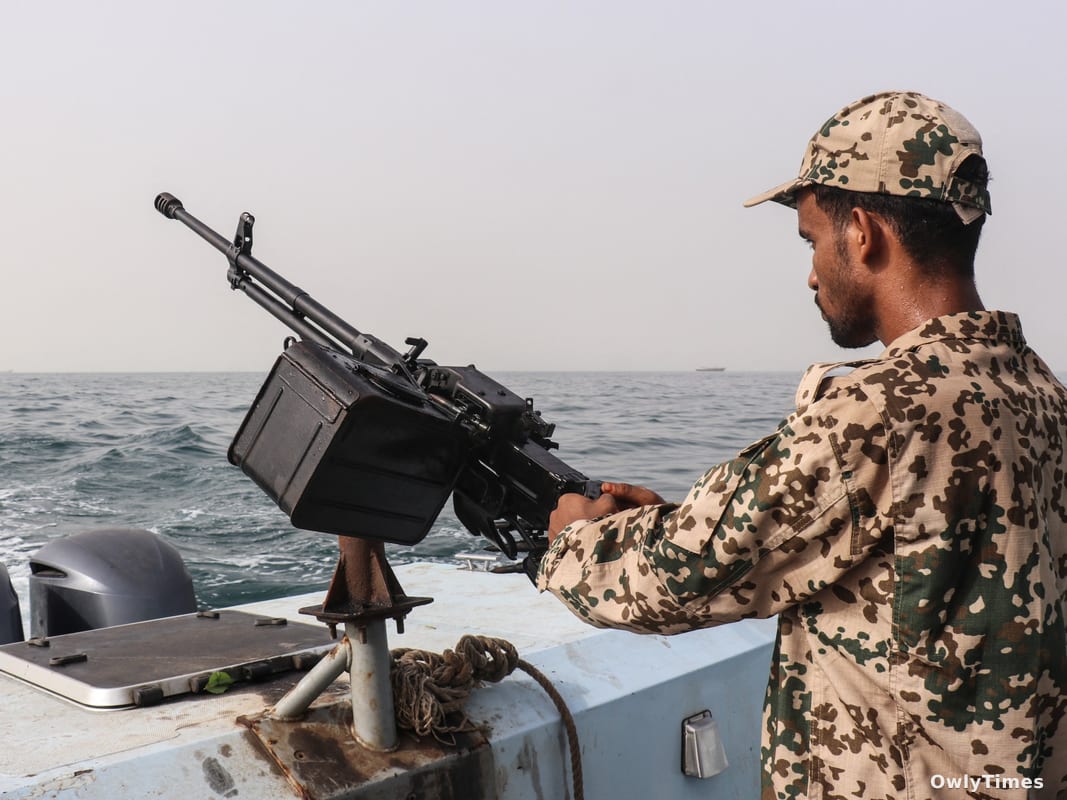
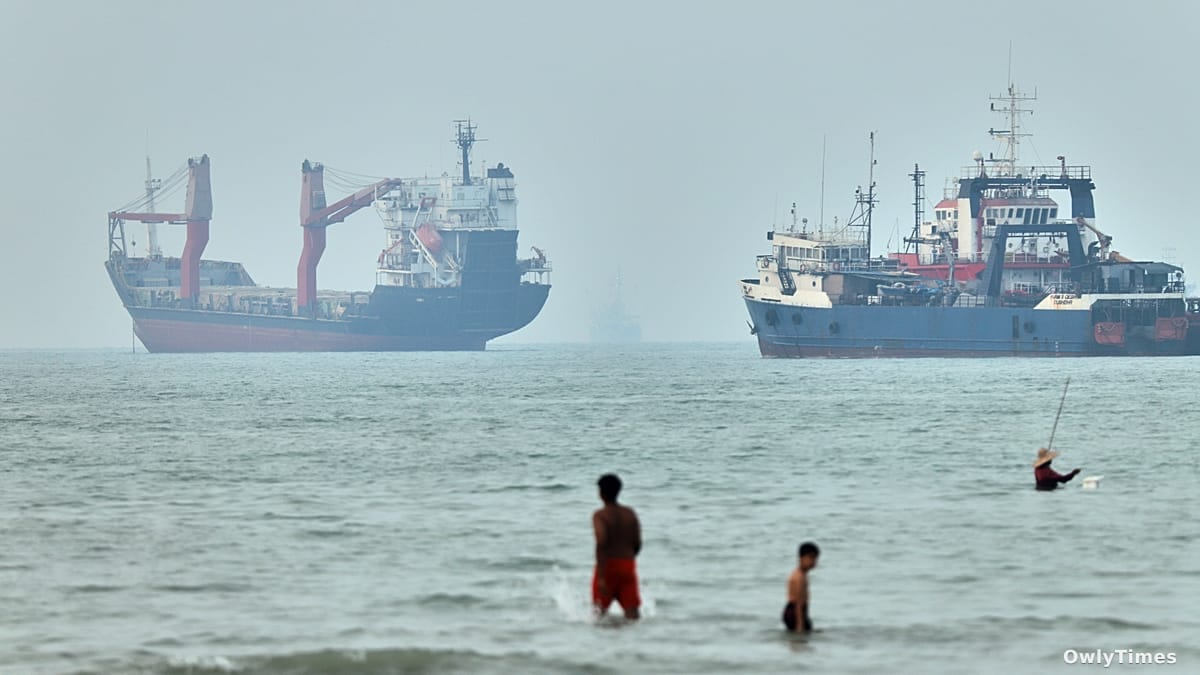
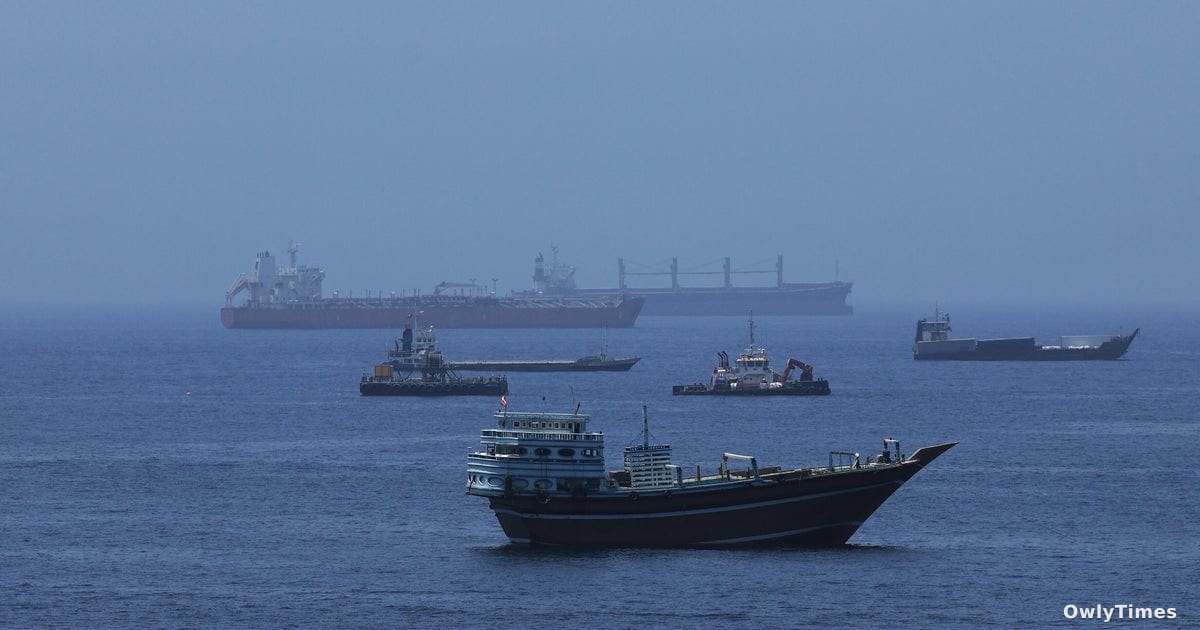
The immediate economic impact is stark. Patrick de Haan, head of petroleum analysis at GasBuddy, projects a national average gas price of $3.35 per gallon, with diesel climbing towards $4.45. This isn’t merely a seasonal increase; Monday saw the largest single-day jump in gas prices in four years, directly correlated with Iran’s reported closure of the Strait of Hormuz. The significance isn’t the 35-cent increase itself, but the speed of the rise, signaling a market anticipating sustained disruption. Historically, such spikes have preceded broader economic slowdowns, particularly impacting consumer spending and transportation costs. The UAE’s reaffirmation of its right to self-defense, coupled with reports of drone strikes damaging Amazon Web Services data centers in the region, further underscores the widening scope of the conflict and the potential for cascading economic consequences.
Reporting from CNBC informs this analysis.
This isn’t a novel scenario. The 1973 oil crisis, triggered by the Arab oil embargo, offers a chilling parallel. Then, as now, geopolitical tensions in the Middle East directly translated into energy price shocks, fueling inflation and recession in Western economies. However, the current situation differs in one crucial aspect: the rise of digital infrastructure. The damage to AWS data centers, while currently contained, highlights the vulnerability of global supply chains and the potential for cyberattacks to exacerbate the crisis. The fact that Amazon is advising customers to migrate workloads to other regions isn’t a technical recommendation; it’s an acknowledgement of systemic risk.
The political dimension is equally revealing. The strengthening of the U.S. dollar, defying a year-long trend of “de-dollarization,” demonstrates a flight to safety. As strategists at Mizuho EMEA observed, “in stress the world still settles in USD.” This isn’t necessarily a vote of confidence in U.S. policy, but a pragmatic response to uncertainty. The dollar remains the world’s reserve currency, and in times of crisis, liquidity trumps ideology. Simultaneously, Vladimir Putin’s efforts to “de-escalate tensions” – as reported by the Kremlin – shouldn’t be interpreted as altruism. Russia, a close ally of Iran, has a vested interest in preventing a wider conflict that could disrupt global energy markets and undermine its own economic interests. Putin’s outreach is a calculated move to position Russia as a mediator, potentially leveraging the crisis to enhance its geopolitical influence.
Perhaps the most telling indicator of the shifting landscape is the internal resistance at Alphabet, with over 100 Google employees urging management to reject a potential Pentagon deal for its Gemini AI models. This isn’t simply a moral objection to military applications of AI; it’s a reflection of a growing awareness within Silicon Valley that the rules of engagement have changed. The Pentagon’s blacklisting of Anthropic’s models and the recent U.S. strikes on Iran have heightened concerns about the potential for AI to be used in warfare and surveillance. Jeff Dean, DeepMind’s chief scientist, publicly aligning with these concerns by highlighting the Fourth Amendment implications of mass surveillance, demonstrates a willingness to challenge the established order. This internal conflict within Google mirrors similar debates that occurred during the early days of the Cold War, when scientists grappled with the ethical implications of their work on nuclear weapons.
Who benefits and who loses in this unfolding scenario? Oil-producing nations outside the immediate conflict zone, like Russia, stand to gain from higher prices. The U.S., while facing economic headwinds, may see a temporary boost to its energy sector. China, heavily reliant on Middle Eastern oil, faces significant economic risks. Most significantly, the populations of countries reliant on imported energy and vulnerable to supply chain disruptions will bear the brunt of the crisis. The U.S. closing its embassies in Saudi Arabia and Kuwait, and issuing warnings for Americans to depart the region, isn’t a sign of strength; it’s an admission of limited leverage and a prioritization of citizen safety.
The political chess move to watch next isn’t a military escalation, but the outcome of the Assembly of Experts’ deliberations regarding a successor to Ayatollah Ali Khamenei. Iran’s internal power dynamics, and the selection of a new supreme leader, will be far more decisive in shaping the long-term trajectory of the conflict than any single battlefield victory. Will the new leader pursue a path of de-escalation, or will they double down on confrontation? The answer to that question will determine whether the current crisis remains contained, or spirals into a wider regional war.